

Nanorobotics: The Next Frontier in Medical Research
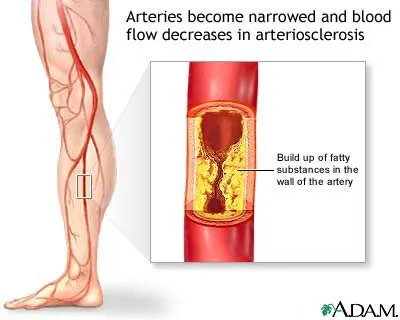
In the modern day, robotic technology has several applications. Nanorobotics is a single one of them. In this area of robotics, teams of engineers working in biotechnology and robotics are creating intricate, miniature robots. The ability to emulate human behavior is made possible by the components' nanoscale nature. Nanorobotics has made it feasible to build the different complicated components that makeup robots. Numerous engineers, scientists, and medical professionals think there are nearly endless uses for nanorobotics. The most plausible applications include Dissolving blood clots: Complications from blood clots might range from muscle death to a stroke. Nanorobots, sometimes known as nanobots, might locate a clot and disperse it. One of the most intricate and advanced applications for nanorobots is this one. The obstruction must be removed by the robot without any minute bits getting lost in the bloodstream that may accidentally go to another part of the body and create further issues. Additionally, the robot needs to be tiny enough to avoid obstructing blood flow itself. Fighting cancer: Medical professionals intend to treat cancer patients with nanorobots. The robots may either be used as part of a chemotherapy treatment, delivering medication straight to the cancer location, or they could attack tumors directly using lasers, microwaves, or ultrasonic sounds. Doctors think that by administering medications to patients in small, exact amounts, adverse effects can be reduced while maintaining treatment effectiveness. Clottocytes, or synthetic platelets, are one type of nanorobot that aids in blood clotting. A tiny mesh net that the clottocyte carries turns into a sticky membrane when it comes into touch with blood plasma. Clotting may occur up to 1,000 times more quickly than the body's normal clotting process, according to Robert A. Freitas Jr., the inventor of the clottocyte. Patients with severe open wounds or hemophiliacs can be treated with clottocytes. Nanorobots might fight bacteria and other tiny parasitic organisms within a patient to eradicate them of their presence. To eliminate all the parasites, it could require many nanorobots operating together. Gout: Gout is a disorder in which the kidneys are unable to eliminate waste products from circulatory metabolism. Sometimes, this waste crystallizes around joints, such as the knees and ankles. Gout patients who have severe joint discomfort in these joints. Although it wouldn't be a cure, a nanorobot may disassemble the crystalline formations at the joints and alleviate the symptoms. Small ultrasonic signal generators might be carried by nanorobots to send frequencies directly to kidney stones. possible to permanently reverse the disease. Kidney stone removal: Kidney stones may be excruciatingly painful, and the bigger the stone, the more challenging it is to pass. Ultrasonic frequencies are used by doctors to fragment big kidney stones; however, they are not always successful. A tiny laser carried by a nanorobot might be used to dissolve kidney stones.