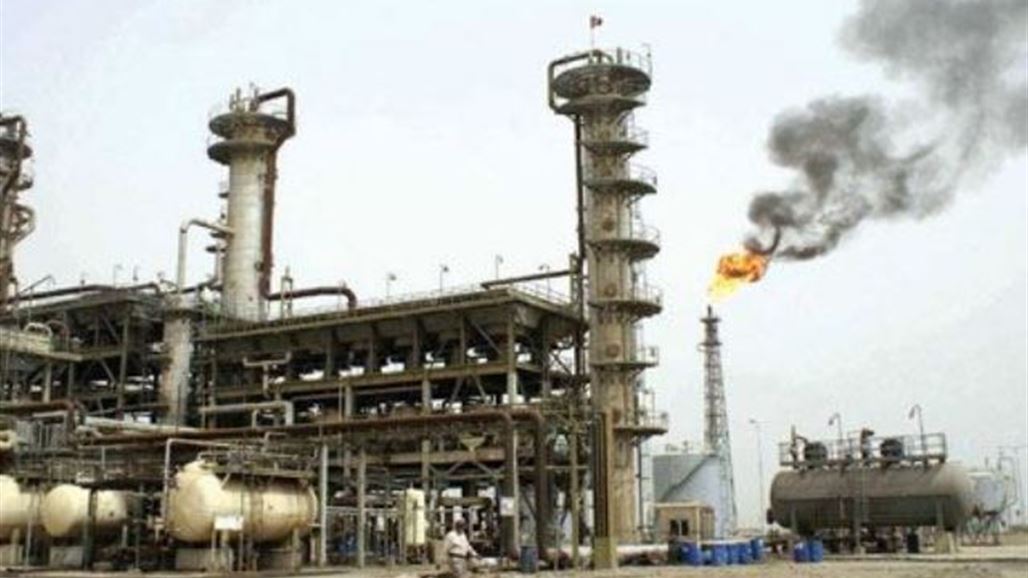
Scientific article by Prof. Dr. Nada S. Ahmedzeki entitled Catalytic Naphtha Reforming Process
Naphtha is a fraction of petroleum, typically constitutes 15–30% of crude oil, by weight, and boils between 30 and 200oC. This complex mixture consists of hydrocarbon molecules with 5–12 carbon atoms, mainly including paraffins, olefins, naphthenes, and aromatics. Other components such as sulfur, nitrogen, oxygen, water, salt, and a number of metal containing constituents such as vanadium, nickel, and sodium are also exist.<br />Catalytic naphtha reforming process is a vital process for refineries, used extensively to convert low-octane hydrocarbons of naphtha to more valuable high-octane gasoline, which is intensely demanded in our modern life, without changing the boiling point range. In addition, the produced reformate in catalytic naphtha reforming process includes valuable aromatics such as benzene, toluene, and xylenes (BTX) that are very important petrochemical materials. This process encompasses actually a complex network of reactions and the four major reactions are: (i) Dehydrogenation of Naphthenes (ii) Isomerization of Paraffins and Naphthenes (iii) Dehydrocyclization of Paraffins (iv) Hydro Cracking and Dealkylation. The overall net production of hydrogen in the catalytic reforming of petroleum naphtha range from about 50–200 cubic meter of hydrogen at (0oC, 1 atm.) per cubic meter of liquid naphtha feed stock. Hydrogen is considered as a valuable byproduct which in most refineries is used for hydrocracking, hydrotreating, and other hydrogen-consuming processes. <br /> Naphtha reforming units are usually classified according to the catalyst regeneration procedure: (i) Semi-regenerative catalyst reformer (SRR) (ii) cyclic catalytic reformer (iii) continuous catalyst regeneration Reformer (CCR). The most commonly used type of the reforming process is the semi—regenerative catalytic reformer where about 60% worldwide is using this process. This process is identified by long period of continuous operation with decreasing catalyst due to coke. It is generally built with a series of catalyst bed reactors operated at a temperature range from 495 to 520oC and pressure of about 5–45 atm with research octane number of 85–100. Several points are watched due to regeneration such as reactor metallurgy, temperature, specific amount of C5+ yield decline and specific amount of hydrogen decline. Shut down of the units occurs once each 6–24 months. In the cyclic reformer, each reactor may be undergoing a wide boiling range feed, low operational pressure, low hydrogen to feed ratio, and catalysts are exhausted within 1 week to month. The octane number is about 100–104. All reactors are operated between reducing atmosphere during normal operation and oxidizing atmosphere during regeneration. This switching policy needs a complex process layout with high safely precautions. This process is not very common and is rarely used. Continuous catalyst regeneration reformer is the most modern type of catalytic reformer. The catalyst is regenerated continuously in special regenerator and this process has many advantages towards traditional ones because of the following reasons: Higher octane reformate is obtained even working with low feed quality, catalyst with less stability but higher yield and selectivity are achieved and, low recycle ratio is required with higher hydrogen yield.<br /> Reactors are placed separately or stacked on each other and the catalyst moves from the bottom to regenerator then moves to the top of first reactor. In these reactors sophisticated reactions take place; converting Naphthenes to aromatics takes place in the first reactor and the outlet from first reactor is reheated and fed to the second reactor where the major reaction is isomerization. After the preheating of the outlet of second reactor it will be fed to the third reactor where dehydrogenation and cracking take place. The design octane number for reformate of this process is 95–108. In CCR, the catalysts are regenerated continuously and have to be more resistant and tolerate high coke level than the catalysts used in SRR giving higher selectivity to aromatics. <br /> The efficiency of the reforming process is related to the catalyst performance, and many factors like coke formation, contamination on the active site, catalyst agglomeration and poising might decrease and cause catalyst deactivation which affects its performance. Activity could be restored by regeneration and after that the catalyst will retain its high surface area; dispersion of the metal should be high with proper acidity level. <br />