
Scientific article Doaa Adel entitled The Effect of Smoking on Teeth
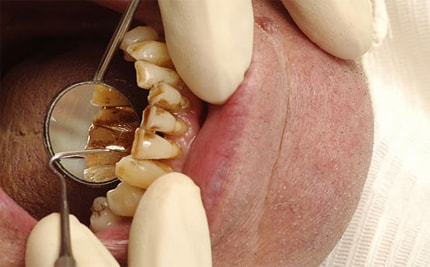
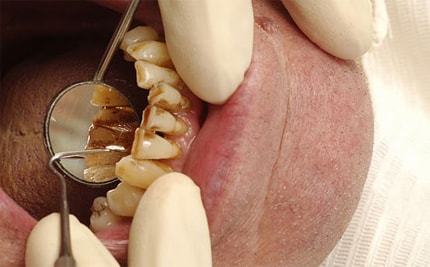
Smoking is one of the main causes of oral and throat cancer, as its damage is not limited to tooth discoloration and gum infections, but also to tumors that can be severe. The risk of oral cancers is higher if the smoker also drinks.<br />The negative effect of smoking on smoke teeth is the diseases of the gums and teeth in addition to the possibility of tooth loss, that people who are active in smoking tobacco (sugars, cigars, pipe) have a very high risk of tooth loss.<br />Smoking reduces blood flow in the gums and tissue supporting the tooth, making it more susceptible to inflammation. It may also alter the nature of bacteria and increase their accumulation in yellow deposits that accumulate on the teeth plaque that white glue that accumulates on the teeth if the teeth are not washed with paste and brush. These deposits help with the teeth, and if the person<br />Smoker the smoke tobacco helps to form bacteria in these deposits and the presence of these bacteria results in tooth inflammation and increases its effect to include the jaw and thus the loss of teeth for deterioration of the condition of the gums and weakness and therefore the diseases of the gums are called silent killer of teeth.<br />Because smoking leads to decreased blood flow in the gums, the smoker's gums may not show initial warning signs associated with gingivitis such as bleeding, but the disease develops rapidly into more difficult stages, while the smoker thinks his teeth are fine. As a result of the lack of blood flow to the tissues of the mouth, therefore, the lack of access to the bones surrounding the teeth leads to the incidence of oral and pharyngeal cancer. With each breath of cigarette smoke, a person breathes approximately 4,700 harmful and toxic chemicals, including formaldehyde, carbon monoxide and ammonia.<br />The effects of smoking on the mouth and teeth can be classified in three groups:<br />1-Teeth:<br />Discoloring teeth with brown pigments may tend to darken. Coloration also includes dental fixtures such as dental fillings and dentures. Increase the likelihood of tooth decay. Increase the risk of tooth loss.<br />2-Gums:<br />Gingivitis. Periodontitis.<br />Increase dilya and calcification on the teeth.<br />3-Tissues of the mouth and tongue:<br />Bad breath (suin).<br />Reduced taste ability.<br />The activity of some enzymes in saliva has decreased as a result of chemicals in tobacco.<br />Increased risk of the appearance of leukoplakia, a white lesion in the mouth that can develop into cancer.<br />Increased risk of oral cancers.<br />Bacteria and fungi combine and grow on the tongue, leading to a condition called black hairy tongue, in which the tongue appears as if it has black hair, and is only bacterial and fungal growth between the grooves of the tongue.<br />The roof of the throat becomes thicker and tends to be whiter. Delayed healing of oral tissue after dental treatments, such as tooth dislocation, gum therapy or oral surgery. Smoking affects the immune system, making the smoker more likely to develop bacterial infections.<br /><br />How to protect teeth and mouth: - Stop smoking - regular follow-up with the dentist every 3 months in order to clean the teeth and remove the accumulated lime - brush teeth with paste and brush at least twice - use of oral wash which contains antibacterial