
Scientific article by teaching in the Department of Business Administration Saja Najeh Karim entitled "Electronic Banking"
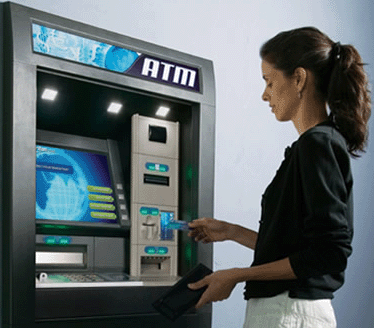
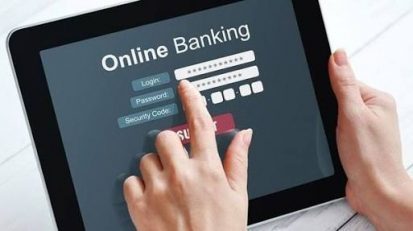
Electronic Banking<br /><br />The concept of electronic banks<br />The world is witnessing a major development in the field of banking industry and its tools. High customer satisfaction and trust.<br />The term "electronic banking" or "Internet banking" is used as a sophisticated and comprehensive expression of the concepts that emerged in the early nineties such as the concept of remote financial services, remote electronic banking, home bank, or home bank. ((Online Banking or Self - Service Banking) are all expressions related to the customers' management of their accounts and the completion of their business related to the bank through the home, office or any other place at the time of the customer's choice. a place.<br />This is through the presence of programs and obtained by the customer through the bank free of charge or financial fees or through the purchase of providers and these programs are known as personal financial management (Personal Financial Management) such as (Microsoft Money)<br />The emergence of electronic banks<br /> The emergence and development of e-banks is closely related to the emergence of so-called modern technologies of information and communication NTIC, the Internet is one of its forms and in the early nineties the idea of providing banking services over the Internet and implemented by a bank in the United States and soon spread this service around the world to cover<br />Almost all countries in the presence of the Internet and the prevalence and increasing users, and with the increasing reliance on computing systems in the management of activities and the increasing economic value of information as a strategic determinant of success in the sectors and the evolution of the concept of financial services on-line to turn the idea from the implementation of business through a special line and through software system The client computer to a bank that has a complete presence on the network and contains all the necessary software for banking. Mar, trade, financial management and others.<br />Electronic Banking Risks<br />Piracy: Internet banking, which has become a feature of the times because it allows payment and transfer of funds, is risky, allowing hackers to create websites similar to banking services on the Internet, and thus obtaining the login data if the user enters them on these counterfeit sites and then Hacked his account. Use caution and follow security guidelines when conducting online banking<br />Strategic Risks: E-banking operations rely on the Internet in order to provide information to its customers and also carry out the operations they request. Rapid advances in technology and increased competition between banks themselves and non-bank institutions may put banks at great risk if the planning and implementation of the e-banking strategy is not properly implemented<br />Operational risk: Because all e-banking activities rely on technology, operational risks are the most important risks faced by banks and operational risks have multiple sources, including the fact that many banks rely on a third party to manage the appropriate technological infrastructure to support e-banking operations. Thus, the banks can be exposed to errors in the operation of operations, in case the electronic banking systems are not integrated as required, and also another source of operational risks is protection. Open electronic distribution channels raise the issues of confidentiality and integrity of information and ensure the identity and legitimacy of customers.<br />Reputation Risk: Reputation risk arises in the event of a negative public opinion towards the Bank as a result of the Bank's inability to manage its systems efficiently or a significant penetration of them. And immediate response to the needs and requirements of its customers.