Scientific article by Professor Habeeb Sahib entitled: - Leukemia; causes, types and treatment
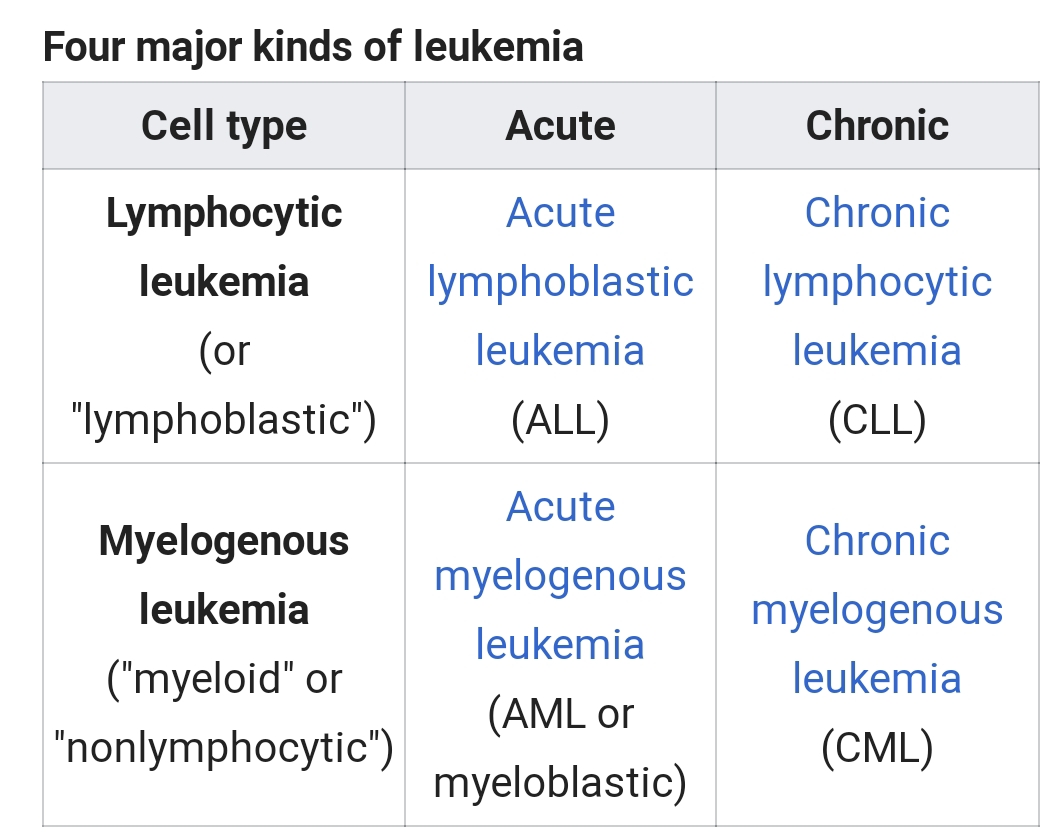
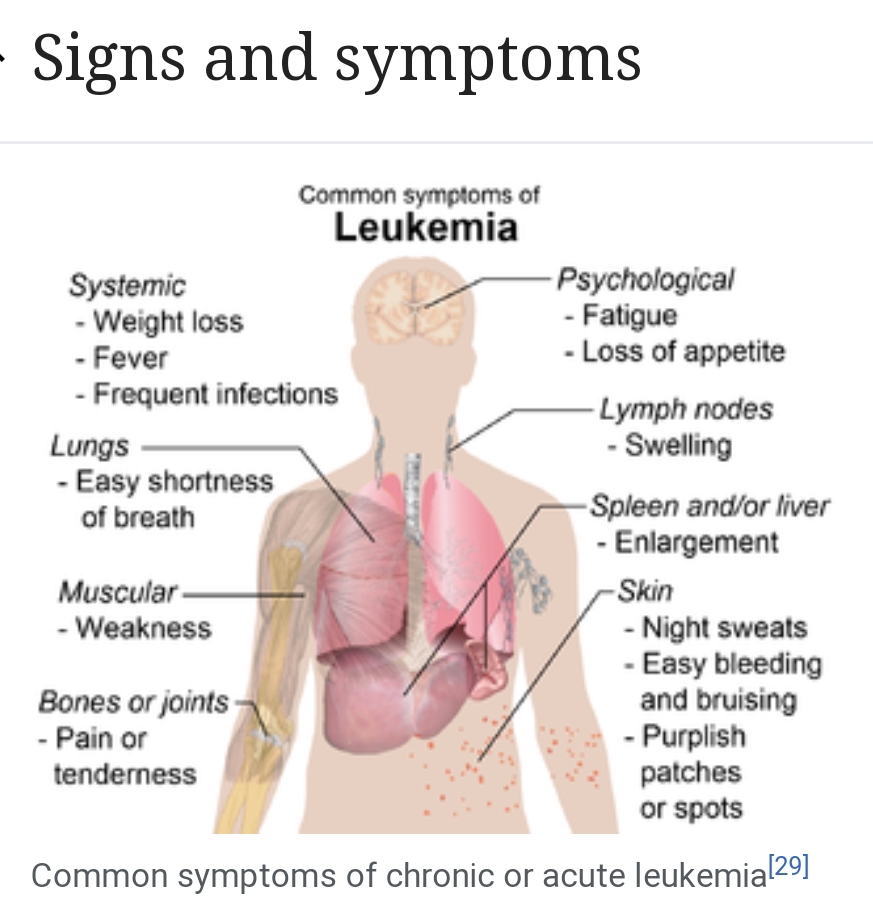
<br />Leukemia; causes, types and treatment By, Prof. Dr. Habeeb Sahib Naher <br />Leukemia is a group of blood cancer that usually begin in the bone marrow and result in high numbers of abnormal blood cells. These blood cells are not fully developed and are called blasts<br /> or leukemia cells. * Symptoms may include bleeding, <br />feeling tired, fever, and an increased risk of infections. These symptoms occur due to a lack of normal blood cells. Diagnosis is typically made by blood tests or bone marrow biopsy. The exact cause of leukemia is not well unknown yet, however, a combination of genetic factors and environmental factors are <br />believed to play a role in leukemia. <br /> Risk factors include smoking, ionizing radiation, and some chemicals (such as<br /> benzene). People with a family history of leukemia are also at higher risk. <br />* Types of leukemia: There are four main types of leukemia; 1—acute lymphoblastic leukemia, 2- acute myeloid leukemia (AML), 3- chronic lymphocytic leukemia (CLL) and 4- chronic myeloid leukemia (CML). <br /> * Treatment may involve some combination of chemotherapy, radiation therapy and bone marrow transplant. The success of treatment depends on the type of leukemia and the age of the patient. <br />- Acute leukemia is characterized by a rapid increase in the number of immature blood cells. The crowding that results from such cells makes the bone marrow unable to produce healthy blood cells. Immediate treatment is required in acute leukemia because of the rapid progression and accumulation of the malignant cells, which then spill over into the bloodstream and spread to other organs of the body. Acute forms of leukemia are the most common forms of leukemia in children. <br />- Chronic leukemia is characterized by the excessive buildup of relatively mature, but still abnormal, white blood cells. Typically taking months or years to progress, the cells are produced at a much higher rate than normal, resulting in many abnormal white blood cells. Whereas acute leukemia must be treated immediately, chronic forms are sometimes monitored for some time before treatment to ensure maximum effectiveness of therapy. Chronic leukemia mostly occurs in older people, but can occur in any age group. <br />The diseases are subdivided according to which kind of blood cell is affected. This divides leukemias into lymphoblastic or lymphocytic leukemia and myeloid or myelogenous leukemia. In lymphoblastic, the cancerous change takes place in a type of marrow cell that normally goes on to form lymphocytes, which are infection-fighting immune system cells. <br /> -In myeloid the cancerous change takes place in a type of marrow cell that normally goes on to form red blood cells, some other types of white cells and platelets. <br />Specific types: *Acute lymphoblastic leukemia (ALL) is the most common type of leukemia in young children. It also affects adults, especially those 65 and older. Standard treatment involve chemotherapy and<br /> radiotherapy. The survival rates vary by age: 85% in children and 50% in adults.<br />* Chronic lymphocytic leukemia (CLL) most often affects adults over the age of 55 years. It sometimes occurs in younger adults, but it almost never affects children. Two-thirds of affected people are men. One subtype is B-cell prolymphocytic leukemia, a more aggressive disease. <br /> About 80% of affected people by chronic lymphocytic leukemia are adult men. No cases disease in children have been reported.