

A scientific article Prof. Dr. Habeeb Sahib Naher entitled: Whooping cough: Cuses, symptoms and treatment
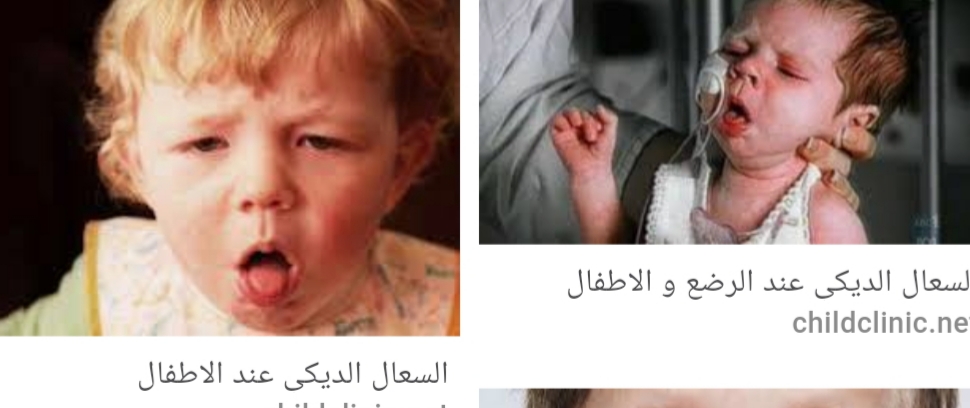
<br />Whooping cough: Cuses, symptoms and treatment <br />By Prof. Dr. Habeeb Sahib Naher Whooping cough, also known as<br /> pertussis is a highly contagious bacterial disease. Initially, symptoms are similar to those of the common cold with runny nose, fever and mild cough. <br />This is followed by weeks of severe coughing fits with a high-pitched whoop sound or gasp may occur as the person breathes in. A person may cough so hard that they vomit, break ribs or become very tired. The time between infection and the onset of symptoms is usually seven to ten days.<br />* Causes Bordetella pertussis ( bacterium) spreads through the air. Bacterium Bordetella pertussis spreads through the coughs and sneezes of an infected person. <br /> * Signs and symptoms: <br />The classic symptoms of pertussis are a paroxysmal cough, inspiratory whoop, and fainting or vomiting aftet coughing.<br /> Vomiting after a coughing spell or an inspiratory whooping sound on coughing, almost doubles the likelihood that the illness is pertussis. <br />The illness usually starts with mild respiratory symptoms include mild coughing, sneezing, or a runny nose. This is known as the catarrhal stage. After one to two weeks, the coughing develops into uncontrollable fits, followed by a high-pitched "whoop" sound in younger children, or a gasping sound in older children, as the person tries to inhale (paroxysmal stage).<br />This stage usually lasts two to eight weeks, or sometimes longer. A gradual transition then occurs to the convalescent stage, which usually lasts one to four weeks. This stage is marked by a decrease in paroxysms of coughing, although paroxysms may occur with subsequent respiratory infection for many months after the onset of pertussis. However symptoms of pertussis can be variable, especially between immunized and non immunized people. Those that are immunized, can present with a more mild form. <br />* Incubation period. The time between exposure and the development of symptoms is on average 6–20 days.<br />* Pathogenesis: After the bacteria are inhaled, they initially adhere to the ciliated epithelial cells in the<br /> nasopharynx. Surface proteins of B. pertussis, including filamentous hemaglutinin and pertactin, mediate attachment to the epithelium. <br />The bacteria secretes a number of toxins; 1- Tracheal cytotoxin (TCT) which kills ciliated epithelial cells and thereby inhibits the mucociliary elevator by which mucus and debris are removed. 2- Pertussis toxin which causes lymphocytosis by an unknown mechanism. <br />* Diagnosis.In children who have a cough of less than 4 weeks vomiting after coughing is somewhat supportive but not definitive. <br />- Laboratory tests. <br />Methods used in laboratory diagnosis include culturing of nasopharyngeal swabs on Bordet-Gengou medium, <br />polymerase chain reaction (PCR), direct fluorescent antibodies and serological methods. <br />* Treatment: Antibiotics; Erythromycin, Clarithromycin are typically the recommended treatment.<br /> Newer Macrolided are frequently recommended due to lower rates of side effects.