
Scientific article Dr. Fouad Ghazi Hassan entitled: -Major depression and Immune System
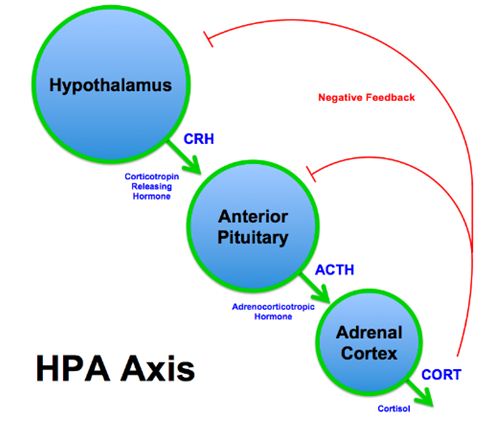
Major depression and Immune System<br />Major depression is a common and sometimes fatal disorder that is a leading cause of disability. The prevalence of depression with chronic ill patients can be as high as 40% or more. Recently new studies worldwidehave shown a link between chronic immune responses and the development/presence of major depression.<br />Neuropsychiatric disorders, especially major depressive disorder, which exceeds a lifetime, it is a potent risk factor for disease morbidity with depressed persons showing a mortality rate twice that found in non-depressed persons. Altered functioning of the immune system is implicated as a mechanism that might contribute to medical morbidity of major depression including risk of infectious disease as well as inflammatory disorders. Depressed persons show reductions of cellular and innate immune responses that are associated with infectious disease susceptibility, whereas found that depression is linked to immune activation in patients with inflammatory immune disorders such as rheumatoid arthritis orMS (multiple sclerosis) or who are undergoing cytokine therapy.<br />Link Immune system and neural psychological system:<br />The immune, neural and psychological systems all interact with one another. One of the major communication pathways between the brain and the immune system is the hypothalamic-pituitary-adrenal axis and the autonomic nervous system (HPA).What is the HPA axis? This pathway mediates immune response to psychological factors such as stress, anxiety and other emotions. This bidirectional relationship between the brain and the immune system has led to the question about the role of the immune system in neuropathological processes.<br />Hyperactivity of the HPA axis has also be associated with depression.There is bidirectional communication between the HPA axis and the immune system. Cytokines activate the HPA axis and thus lead to the release of cortisol, the stress hormone, which ordinarily suppresses the immune response. Cortisol also inhibits its own release and thus the body is able to maintain a stable immune response through a tightly regulated feedback inhibition system. This regulation mechanism seems to be dysfunctional in depressive disorders and is thought to occur because of cytokine mediated receptor resistance to cortisol, thus impairing feedback inhibition. This essentially means that cytokines make cortisol unable to act on the receptors that would inhibit its release. <br />