

Scientific Article by the Assistant Lecturer Dhifaf Tala about (Li-Fi)
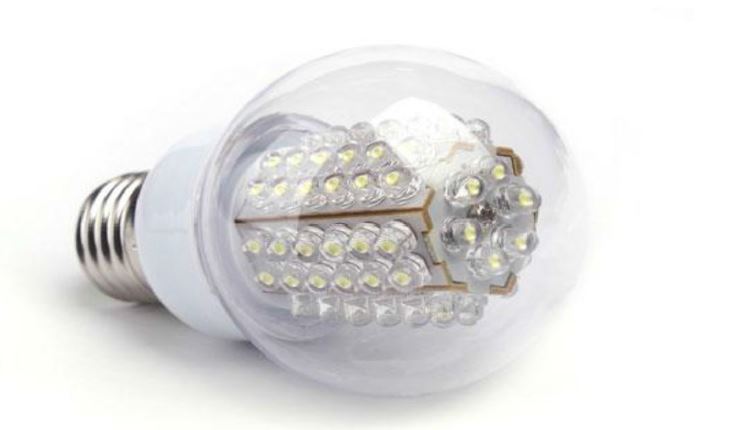
Li-Fi (Light- Fidelity)<br /><br />Communication systems are one of the complementary parts of human life. Nowadays, there are a lot of techniques and methods used in telecommunication systems. One of the most promising and modern methods of communication systems is Li-Fi. It is discovered in July 2011 by a German physicist Harald Hass by referring to it as “data through illumination”. He used a table lamp with an LED bulb to transmit a video of a blooming flower that was then projected onto a screen. In simple terms, Li-Fi can be thought of as a light-based Wi-Fi i.e. instead of radio waves, it uses light to transmit data at very high speed of up to 100 times faster than wi-fi technology. In place of Wi-Fi modems, Li-Fi would use transceivers fitted with LED lamps that could light a room as well as transmit and receive information. By adding new and unutilized bandwidth of visible light to the currently available radio waves for data transfer, Li-Fi can play a major role in relieving the heavy loads which the current wireless system is facing. Thus it may offer additional frequency band of the order of 400 THz compared to that available in RF communication which is about 300 GHz. Also, as the Li-Fi uses the visible spectrum, it will help lighten worries that the electromagnetic waves coming with Wi-Fi could adversely affect our health. By Communication through visible light, Li-Fi technology has the possibility to change how we access the Internet, stream videos, receive emails and much more. Security would not be an issue as data can’t be accessed in the absence of light. As a result, it can be used in high security military areas where RF communication is prone to eavesdropping.<br />