
A Scientific Article By Prof. Dr. Habeeb Sahib Naher Entitled:Flesh Eating Bacteria
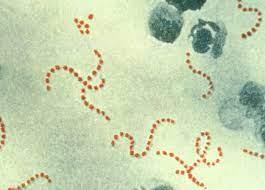
Flesh Eating Bacteria <br />Background<br /> The disease was first discovered in 1783 in France. It was restricted to military hospitals. There have been some outbreaks in civilian population. The disease decreased after WWII and reemerged worldwide in 1980’s.<br />Microbiology<br /> Flesh eating disease divided into two types: type-1 caused by anaerobic bacteria in combination with facultative anaerobic such as Streptococci, (non-group A), Enterococci and some gram –ve rods. Type-2: is called hemolytic streptococcal<br />gangrene. It caused by group A streptococci (GAS). It causes deaths and serious infections. The disease can also cause by marine vibrios, by pit of fish or shellfish. Some fungi such as (Mucormycosis) may cause the disease. <br /> GAS causes sever disease when it gets into the body such as muscle, lung or blood. Invasive GAS infections occur when the defenses of the person fail protect the body. This may occur when a person has sore or cuts in the skin allowing bacteria to get into the tissues or because of chronic illness or illness affects the immune system. <br />The Biochemistry of the disease<br /> GAS produces toxins and enzymes such as hyaluronidase which destroys the hyaluronic acid which is an essential part of the connective tissues. <br /><br /> Multi-organs failure is also caused by necrosis of the tissues as a result of super-antigens formation by GAS causing clones of T4 lymphocytes which activate cytokines, resulting of production of free radicals and nitrous acid. <br /><br /> Group A streptococci (GAS)<br /><br /><br /><br /><br /><br /><br /><br /><br />