
Scientific article for teaching M. Eman Wahab Kadhum entitled: -Cinnamon and diabetes treatment
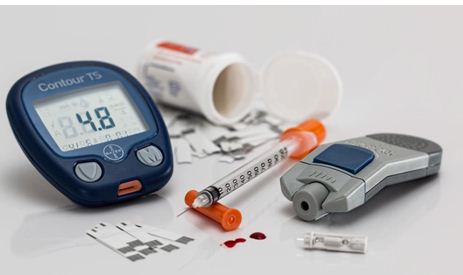
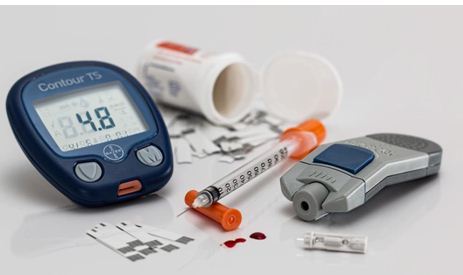
Cinnamon and diabetes treatment<br /> Diabetes is a metabolic disease and it is one of the most prevalent diseases around the world, where the percentage of adults with diabetes is approximately 25% of the world’s population. This disease is part of the metabolic syndrome that consists of high blood sugar, high blood pressure and high triglycerides. And low-density cholesterol, that is, bad cholesterol.<br />There are two types of diabetes:<br /> The first type: It is diabetes that occurs before the age of thirty and is the result of attacking the immune system of the pancreas, which leads to cell damage and its inability to produce insulin. Therefore, diabetes of the first type occurs as a result of insulin deficiency and it is worth noting that insulin is the hormone responsible for reducing sugar level in blood. And its prevalence ranges between 5-10%.<br />The second type: It is the most prevalent, where its prevalence ranges between 90 - 95%, and affects people who are 40 years and over and this disease is the result of insulin's inability to perform its function as a result of the body's resistance to it, which leads to the pancreas secreting other amounts of insulin and Over a long period of 8-10 years, this will lead to the failure of the pancreas.<br />Cinnamon: Cinnamon is the bark of a brown tree. It is used either as sticks or as ground, and used as a ground cinnamon.<br /> Cinnamon has proven effective in controlling blood sugar levels and working to regulate the hormone insulin, as scientists found that they analyzed the substances inside cinnamon and found that there is an active substance present in cinnamon that works to activate cells that stopped responding to the hormone insulin and is useful for patients of the second type From sugar as a result of the body’s cells stopping to respond to the hormone insulin.<br /> In 2003 Diabetes Care, a diabetes journal, published a study of cinnamon’s role in fighting diabetes, and the result was more than surprising.<br /> The study was conducted on 60 people with type 2 diabetes who were divided into six groups. Each group was given a certain amount of cinnamon, which is half a gram, three grams, and six grams of cinnamon. After 20 days of taking cinnamon, it was found that the level of sugar was strikingly low in the group that consumed more cinnamon (i.e. six grams). After 40 days of daily cinnamon intake, it was noticed that the sugar level decreased remarkably among the remaining two groups, and this decrease ranged between 18 and 29%.<br /> It was also noted in this study that cinnamon also reduced the level of harmful cholesterol in the blood and triglycerides, and this decrease ranged from 10-24% for cholesterol, and 23-30% for triglycerides, while the levels of beneficial cholesterol remained the same.<br />General cinnamon benefits:<br /> - It protects against cancerous tumors, as many studies have proven, and it reduces the spread of leukemia and lymphoma, in addition to containing enzymes that help greatly in facilitating cell division.<br /> It eliminates bile salts because it reduces cholesterol in the blood because it contains a high percentage of calcium and fiber.<br /> Improved memory and cognitive functions of the brain, mind stimulation and visual impairment as well.<br /> Cinnamon is considered an anti-inflammatory such as arthritis and stiffness of muscles and joints, as it works to relieve the pain associated with these diseases. It also treats the headaches resulting from cold air by applying a paste of cinnamon powder and water and then put it on the forehead.<br /> It is an anti-bacterial and fungicide, especially white fungus Candida, which infects the intestine and then spreads throughout the body.<br /> Treat some respiratory problems such as colds, flu, and coughs by eating a teaspoon of honey mixed with a quarter of a teaspoon of ground cinnamon daily in the morning.<br /> Improves digestion, eliminates gas, relieves pain and treats toothache.<br /> It strengthens the immune system as well as prevents aging, and is used as a kind of spice in flavoring many dishes in Arab and international kitchens as well.<br />Cinnamon benefits for diabetics:<br /> Balance the sugar level and make it within the normal level, or only a little increase, because the chromium in the cinnamon increases the response of cells to insulin to the appropriate extent, thereby reducing the level of sugar in the blood and making it balanced.<br /> Reducing a diabetic patient from unpleasant side effects, such as nausea, dizziness, and a lack of concentration.<br /> - To prolong the relative life of a diabetic patient, especially as diabetes is considered a cause of sudden death resulting from a diabetic coma.<br /> Reducing the level of harmful cholesterol and triglycerides in the blood, which are usually present with diabetes, but this benefit appears after taking cinnamon months.<br /> Protecting diabetics from the risk of cardiovascular disease.<br /> - Protection from blood clotting in diabetics because cinnamon contains coumarin, which works as an anticoagulant.<br /> Protecting diabetics from the obesity that usually accompanies the disease. Cinnamon is burning fat that is accumulated in the body.<br />Cinnamon harms:<br /> Although there are many benefits to cinnamon, there are side effects, including:<br /> May cause liver damage because it is rich in coumarin, which negatively affects it.<br /> It causes ulcers in the mouth and digestive system.<br /> It is harmful to pregnant women, as it causes contractions in the womb.<br /> Avoid drinking cinnamon with some types of medication, such as aspirin, because they may interact with it and cause certain diseases.<br /> Excessive intake may cause fainting and dizziness, in addition to that it may negatively affect kidney health.