Scientific article for teaching M. Eman Wahab Kadhum entitled: -Cancer And Chemotherapy
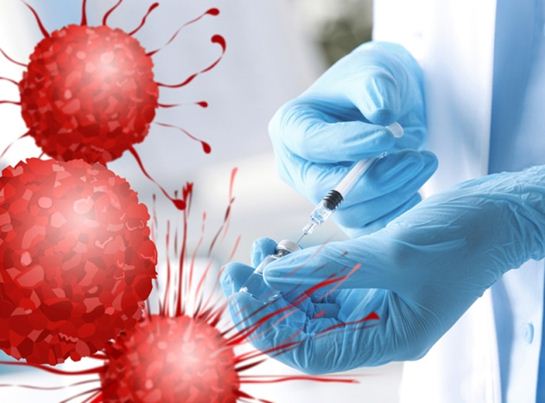
Cancer And Chemotherapy<br />Chemotherapy is drug and drug therapy to eliminate cancer cells, and drugs have been used to treat many diseases over the past 40 years or so, and there are currently more than twenty types in use, one of the advantages of chemotherapy is that it is distributed through the blood throughout the body, which It gives more chance to eliminate cancerous cells that may have migrated from the primary tumor to another body part.<br /> Normal cells grow in a regular way, but when the cancer occurs, its cells begin to grow and divide to form new cells without the control of chemotherapy. It destroys these cancer cells and stops their growth. Chemotherapy affects some healthy cells, and this effect appears in the form of side effects, but healthy cells do it repairs itself after the end of treatment.<br /> Some chemical drugs have a stronger effect if used with other drugs, so chemotherapy is often used in a therapeutic "system" consisting of more than one type of those chemical drugs, and chemotherapy is used to achieve a number of goals depending on the type and stage of the tumor.<br /> Abnormal cells are cells that grow outside the control of the body, and among their characteristics are that they multiply rapidly and rapidly reproductive cells are more vulnerable to the effects of drugs than most natural cells. Natural and work to starve those cells until they die, and unfortunately, some normal cells also multiply rapidly so that drugs affect these cells as well.<br /> Cells that may be affected by chemotherapy include bone marrow cells, mouth, stomach, and hair. The effects that occur to the body’s organs are responsible for most of the toxic side effects of these drugs. However, the cells have an enormous ability to multiply and return to normal. The toxic effects of drugs usually remain for a while only short.<br /> The method depends on the medications prescribed by the doctor. In general, the elements of chemotherapy are given in one of the following ways:<br />• Oral.<br />• Intramuscularly.<br />• Intravenous injection.<br />• Needle under the skin.<br />• Apply the skin directly.<br /> It can also be given in the body cavities in the bladder and in the fluid surrounding the spinal cord and brain.<br /> It is difficult to determine what the patient will feel during treatment and the health problems that may arise, because of the different types of drugs used in chemotherapy and also because of the individual differences between patients, their durability and their general health condition.<br /> Most patients who undergo chemotherapy become easily tired, knowing that feeling tired differs "in proportion" from one patient to another.<br /> The pain associated with chemotherapy<br /> Usually there is no mention of pain associated with the injection of chemotherapy drugs except for the needle prick itself, and very few drugs that cause burning pain or itching when injecting into a vein, and the patient is usually informed in advance if he will receive any of these drugs, and in all cases the patient must inform The nursing staff is about anything to feel.<br /> Duration of treatment<br /> How long a patient receives treatment and the number of treatment sessions depend on a number of factors, the most important of which are the type of cancer the patient is suffering from, the type of medication or medications used for treatment, the time it takes for the patient’s body to respond to treatment, and also to what extent the patient’s body bears the medications with respect to side effects.<br /> Medications are given at different periods, usually rest periods are separated between them, the treatment period may range from three months to two years, treatment is distributed over sessions ranging from one to four weeks and sometimes lasts to several months, and one session takes from several minutes to Three or four hours, sometimes for days.<br /> If the treatment continues for a day or more, the patient is hospitalized, but if it is for hours or less, he will be in the clinic, so the patient must be ready to spend a long time in the clinic.<br /> The most important side effects that the patient may experience Fatigue - nausea - vomiting - hair loss - anemia stress (fatigue and general weakness) - dizziness or lightheadedness - difficulty breathing - rapid heartbeat - infection - fever (temperature) above 38 ° C - tremor (body twitching with a cold) Sweating - diarrhea- severe coughing, sore throat or stomatitis - redness or swelling, especially around wounds - headache or pain in the ear - stiffness in the neck - lack of platelets - small red dots under the skin - red or pink in the urine - black stools Or the appearance of blood in the stool - bleeding from the gums or nose - headache or an urgent change in vision - heat in the limbs - problems with the mouth, gums, and throat.