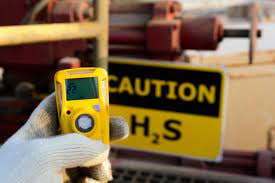


Engineer Fatima Adi Ali Magdy wrote an article entitled (H2S Risks). The content of the article was: H2S risks are a topic that deserves serious attention and thought. H2S is a colorless, odorless, toxic gas that results from combustion and organic decomposition. H2S is released in many industries and industrial processes such as oil and gas extraction, petroleum product refining, industrial waste treatment, and agricultural waste disposal. The risks of H2S are serious because of its ability to cause health and environmental damage.Some major risks:<br /><br />1. Health risks:<br />- Irritation to eyes and skin: H2S can cause irritation to eyes and skin upon direct exposure.<br />- Breathing problems: Exposure to high concentrations of H2S may lead to difficulty breathing, coughing, shortness of breath, and even suffocation in more severe cases.<br />- Effects on the nervous system: H2S may cause toxic effects on the central nervous system, affecting awareness, concentration, and motor coordination.<br /><br />2. Environmental risks:<br />- Impacts on wildlife: H2S leakage into the environment may result in negative impacts on wildlife, including aquatic life, animals and plants.<br />- Water and soil pollution: If H2S leaks into groundwater or soil, it can cause pollution and negative impacts on ecosystems.When humans are exposed to high concentrations of H2S, irritation of the eyes, skin, and respiratory system can occur, and in more serious cases it can lead to loss of consciousness, lethargy, suffocation, and even death. In addition, H2S can corrode metal equipment and piping, leading to gas leaks, explosions, and fires.<br /><br />To control these risks, appropriate preventive measures must be taken<br />