
A scientific article by Assistant Teacher Amal Hesham Hameed entitled: -Essential Laboratory Equipment
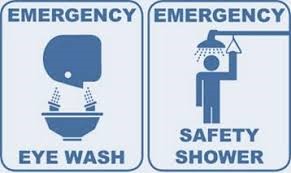
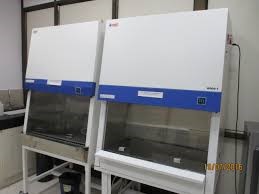
Essential Laboratory Equipment<br />Laboratory equipment is an important part of your laboratory safety program <br /> 1-(PPE) Personal Protective Equipment1 a- Lab coats Lab coats Are intended to prevent contact with dirt and minor chemical splashes. They do not significantly resist penetration by organic liquids, and if they are significantly contaminated, lab coats should be removed immediately. <br /> <br />b -Protective gloves When you’re working in a lab, your hands are often at the most risk for coming into contact with hazardous chemicals. By wearing suitable protective gloves, you can reduce your risk of injury. The main types of disposable gloves are made of latex or nitrile. Nitrile gloves should be worn when working with chemicals or reagents. Latex gloves (surgical) should be worn when handling tissue specimens. It is not essential that gloves be worn when working with paraffin processed tissue samples lab<br /> <br />c-Safety goggles As one of the most sensitive parts of your body, your eyes are especially vulnerable when you’re working with hazardous chemicals and materials. As such, it’s important to always wear proper eye protection. Safety goggles are the ideal form of protection because they shield both sides of your face to prevent materials from entering your eyes. Choosing the right type of safety googles is essential. While some goggles are designed to protect against physical impact, chemical splash goggles are ideal for those who work with chemicals. In addition, some goggles also protect from laser or UV light hazard<br />d-Masks should be worn when making solutions and cleaning up small spills. Two types of masks · The dust particle mask should be used when weighing out powders. The charcoal mask protects against organic solvent fumes. It should be worn when changing or pouring solution<br />2-Fire safety equipment <br />2.1 Fire blankets The purpose of a fire blanket is to smolder a clothing fire by wrapping the victim or rolling them on the ground. Blankets will trap heat and increase the severity of burns. Fire blankets can be used around a person who has to pass thorough a burning area. They can also be used as a first aid measure for shock. <br /> 2.2 Fire extinguishers ABC type fire extinguishers should be used. They should be checked annually and dated. The hospital engineering department should be contacted if there are any problems or if an extinguisher needs to be recharged.<br />3- Fume hoods Laboratory hoods are used to prevent hazardous vapors from entering the general laboratory area. With the sash down, they can also be used as a physical barrier against chemical reactions. The hoods have a constant airflow (there is no on/off switch) and are vented to the roof <br />Use of the hood Always use the hood when · microwave staining, leave hot solutions inside the hood until cooled; · making heated solutions; · grossing specimens, especially formalin fixed specimen<br /><br />4 -Safety showers and eyewash stations <br />Eyewash stations You should always wear proper eye protection when working in a lab, but accidents can happen. If any chemicals or broken glass get in or around someone’s eyes, they must wash out the foreign material immediately to reduce the chances of chemical burns, blindness, and other forms of permanent damage. As such, eyewash stations are paramount for any lab. Ideally, there should be multiple eye wash stations throughout the lab area so that they can be quickly accessed in case of an emergency. Safety showers In the case of hazardous chemicals coming into contact with your skin, it’s extremely important to have a way to promptly rinse off the substances. As such, all laboratories should include a safety shower. After removing any contaminated clothing, the affected person can enter the shower and pull an overhead handle to drench themselves with water. Doing so will help prevent serious injuries associated with prolonged chemical exposure<br /> 5 -First aid kits It may seem obvious, but the importance of a first aid kit should not be underestimated. Every lab should be stocked with several first aid kits in case of an emergency. Even if you only suffer a minor injury, it’s important to properly sterilize and cover the exposed area to prevent any dangerous chemicals from getting into the wound. First aid kits should include bandages, tweezers, sterilizing wipes, sterile dressings, gauze, antiseptic cream, scissors, and eye dressings. Make sure that the first aid kits are restocked frequently and stored in easily accessible area<br />6-Laboratory-safe refrigerators Flammable liquids should always be stored in cool environments. Storing flammable equipment in domestic refrigerators, however, can pose a serious safety hazard. This risk occurs because regular refrigerators contain exposed sources of ignition and because their temperatures are simply too high. As is a necessary piece of safety equipment in any lab. The inside of this laboratory safe refrigerator such, a chiller lab equipment has no sources of ignition, and it incorporates additional safety features such as selfclosing doors, compressors, and magnetic door gasket<br />7-Laboratory Ventilation Local ventilation consists of systems designed to remove the toxicant or contaminant from the point of generation, such as a chemical fume hood. General ventilation serves an entire work area supplying and removing air through diffusers or vents strategically located throughout a room. Many standards exist for proper design, maintenance, and operation of ventilation system