Scientific article by assistant lecturer Ridhab Sami on the Blended Learning?
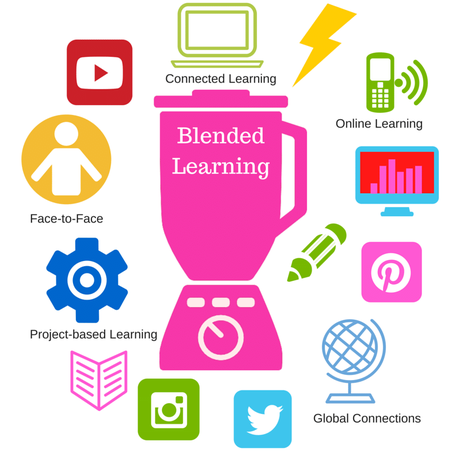
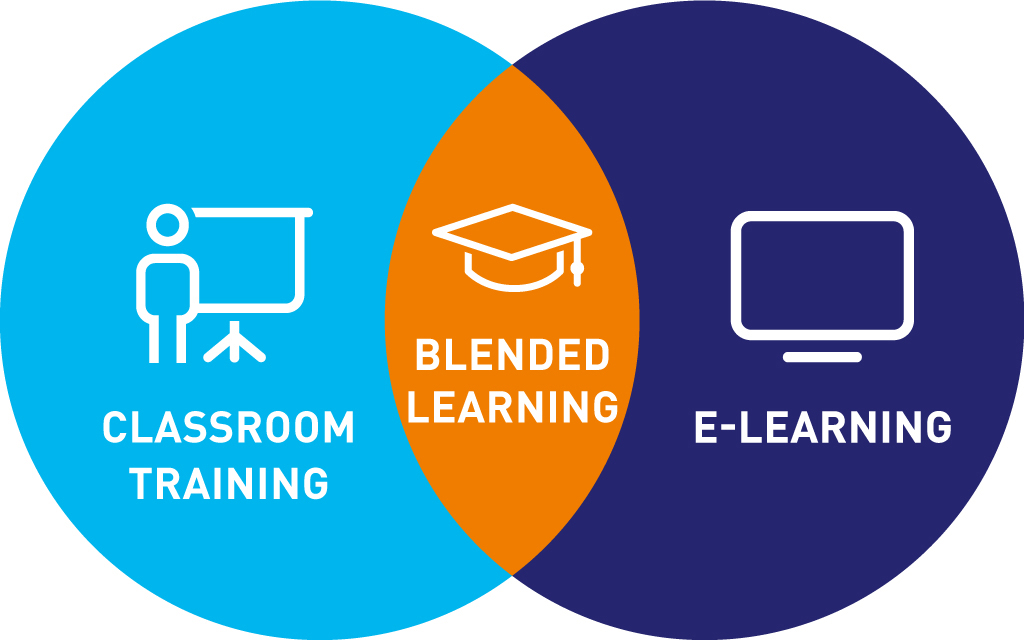
Blended learning (also known as hybrid learning) is a method of teaching that integrates technology and digital media with traditional instructor classroom activities, giving students more flexibility to customize their learning experiences.<br /><br />Where is blended learning being offered?<br /> The multichannel learning method is becoming more and more common. It’s being used in a very wide range of learning environments, including primary schools, universities, language schools, professional development centres and online course providers.<br />Whether a student is learning about mathematics, languages, strategic development or child psychology, they’re likely to discover their tutor using blended learning elements during the course.<br />The characteristics Of Blended Learning <br />• A portion of the learning is delivered with digital or online media.<br />• Some of the learning is student-directed in terms of time, pace, path, and place.<br />• It provides a learning experience that is appealing and that delivers successful learning outcomes.<br /><br />Basic Models Of Blended Learning<br />• The Clayton Christensen Institute says most blended learning works on one of these four models:<br />• Rotational: Students rotate through different modes of learning. At least one of them is online or digital in nature.<br />• Flex: Students do the learning mostly online. It is still done at the school under teacher supervision, though.<br />• A La Carte: Students do their learning entirely online with an online instructor.<br />• Enriched Virtual: Students receive one-on-one sessions with their instructor. They are then free to complete the rest of the coursework online independently.<br /><br />Blended learning strategies are a great way to mix it up the classroom. It lets teachers teach learners in their own technological turf. With a careful mix of instruction and technology, it can be a great way to boost learning outcomes.<br />Benefits for learners<br />• Blended learning offers the learner convenience and flexibility; they have the ability to control their learning pace and learn remotely.<br />• Academic research suggests that blended learning gives learners a more comprehensive understanding of the course content.<br />• Because blended learning allows learners to interact with instructors and fellow learners, social learning is supported.<br /><br />Benefits for organizations<br />• Blended learning reduces face-to-face training costs, such as travel, accommodation, and printed training materials.<br />• Companies can use varying eLearning methods, such as webinars, gamification, etc., which result in better learner engagement.<br />• Because blended learning is a more efficient and cost-effective way to train, you’ll see a quicker and greater return on investment.<br />• It’s also easier to track exactly who has, or hasn’t, completed training.<br />