
Assist. Prof.Tabarak Fakhri Hashim Vitamin D and Breast Cancer
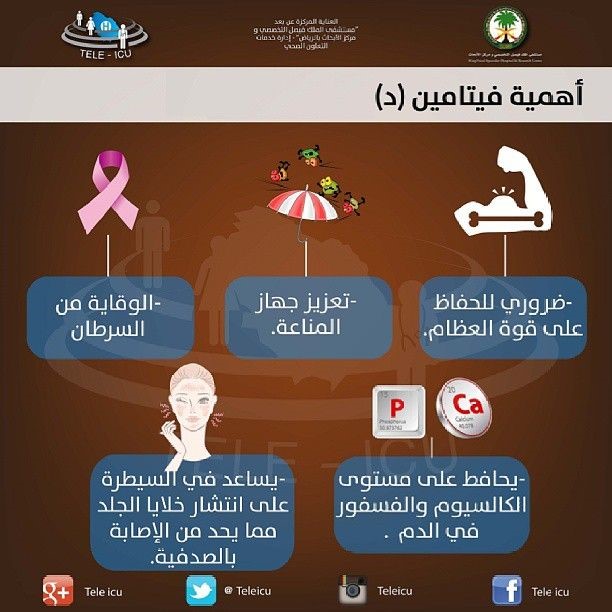
Vitamin D (the sunshine vitamin) plays a vital role in calcium homeostasis, skeletal metabolism, and immune, cardiovascular, and reproductive systems’ functions. The worldwide prevalence of vitamin D deficiency is approximately 1 billion. Vitamin D deficiency is a serious health problem with numerous health consequences; it is associated with diabetes, rheumatic arthritis, Parkinson, Alzheimer diseases, osteomalacia, osteoporosis, and fractures in adults and cancers. Many reports showed an inverse association between serum vitamin D concentration and incidence of several cancers, including breast, colorectal, kidney, lung, and pancreatic. About 20 different cancers have incidence rates inversely related to solar UV-B doses and serum vitamin D concentration. Considering the rising incidence of breast cancer and high prevalence of vitamin D deficiency. Vitamin D refers to a group of fat-soluble secosteroids that are produced in 2 forms: D2 and D3. The D3 form is produced from 7-dihydroxycholesterol under the skin that is exposed to UV-B light (cholecalciferol) and D2 form originates from dietary sources such as plants and fish (ergocalciferol).<br /> Breast cancer has been considered as the most common type of cancer among the women within 161 countries, and the most common cause for cancer deaths, within 98 countries. Known and well-established risk factors for breast cancer include age, family history, the density of breast tissue, parity, overweight, alcohol intake, and genetic risk factors such as BRCA mutations. Recently, vitamin D receptor (VDR) genes were reported to increase breast cancer risk. Several molecular breast cancer subtypes have been identified: luminal A and B (accounting for 50%-60% of breast cancer cases), basal-like or triple-negative (10%-20% of breast cancer cases) and human epidermal growth factor receptor 2 (HER2)-enriched (10%-15% of cases). Vitamin D receptor genes operated by vitamin D have important roles in the mammary gland through regulation of calcium transport during lactation, hormone differentiation, and milk production. Many studies examined the association between vitamin D level and breast cancer risk, which generally show an inverse association (Table 1).. Many efforts and enormous research have been directed toward identifying vitamin D as a breast cancer risk factor to be targeted for cancer prevention. This is because circulating vitamin D levels (levels ≥45 ng/mL) may protect against breast cancerand because breast cancer chemoprevention drugs that alternate the carcinogenesis process such as estrogen receptor modulators, tamoxifen, raloxifene, and aromatase inhibitor hav hig(ER−)