
A Scientific Article By Professor Dr. Habeeb Sahib Naher Entitled: Ketogenic Diet; Definition, Benefits A Scientific Article By Professor Dr. Habeeb Sahib Naher Entitled: Ketogenic Diet; Definition, Benefits and Side Effects and Side Effects
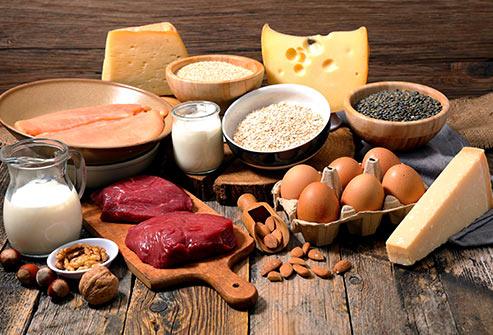
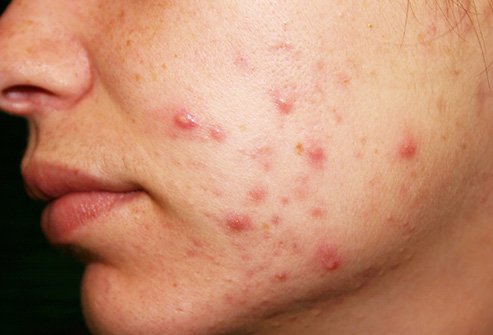
Ketogenic Diet; Definition, Benefits and Side Effects<br /><br />What’s a Ketogenic Diet? <br /> It is to get more calories from protein and fat and less from carbohydrates. <br />You use most on the carbs. that are easy to digest, like sugar, pastries and white bread.<br />How It Works?<br /> When you eat less than 50 grams of carbs. a day, your body runs out of fuel (blood sugar), within 3-4 days and start to break down protein and fat for energy, which make you lose weight. This is called ketosis. The ketogenic diet is focused on weight loss rather than the pursuit of health benefits. <br />Who Uses Ketogenic?<br /> People use a ketogenic diet to lose weight, but it can help in certain medical conditions, like epilepsy, heart disease, brain diseases, and acne. Ask your doctor if it’s safe especially if you have type 1 diabetes.<br />Weight Loss<br /> In ketogenic diet, you lose more weight in the first 3-6 months. This because it takes more calories to change fat into energy than it does to change carbs into energy. It’s also a high-fat, high-protein diet satisfies you more, so you eat less.<br />Ketogenic diets and Cancer<br /> Insulin is a hormone, lets your body use or store sugar as fuel. Ketogenic makes you burn through this fuel quickly, so you don’t need to store it. This means your body makes less insulin which help protect against some kinds of cancer<br />Heart Disease<br /> The ketogenic diet can raise (good) cholesterol and lower (bad) cholesterol. That because the lower levels of insulin can stop the body from making more cholesterol, then you’re less to have high blood pressure, hardened arteries, heart failure, and other heart conditions.<br />Acne<br /> Carbohydrates closely linked to this skin condition and the drop in insulin by ketogenic may also help stop acne breakouts.<br />Diabetes<br /> Low-carbs diets help to keep blood sugar lower. But when, your body burns fat for energy, it makes compounds called ketones. If you have diabetes type-1, too many ketones in your blood can make you sick. So, you need to ask your doctor on any changes in your diet.<br />Epilepsy<br /> Ketogenic diets have helped control seizures caused by this condition since the 1920s. <br />Other Nervous System Disorders. These affect the brain and other nerves such as Alzheimer and Parkinson’s disease.<br />Polycystic Ovary Syndrome<br /> This is when a woman’s ovaries get larger than they should be and small fluid-filled sacs form around the eggs. High levels of insulin can cause it. Ketogenic diets, which lower both the amount of insulin you make and the amount you need, may help treat it, along with other lifestyle changes, like exercise and weight loss.<br /><br />The benefits of the Keto. Diet: <br />1- Aids in weight loos. 2- Reduces acne. 3- Reduces risk of cancer. <br />4- Protect brain functioning. 5- Improves heart health. 6- Reduces seizures.<br />Side Effects<br /> The more common ones aren’t usually serious:<br />1- Constipation. 2- indigestion. 3- Kidney stones. 4- (acidosis). 5- Keto flu, which includes headache, weakness, 6- Bad breath; and 7-fatugue.<br /><br /><br /><br /><br /><br /><br /><br /><br /><br /><br /><br />Diet Food Weight measurement <br /><br /><br /><br /><br /><br /><br /><br /><br /><br /><br />Acne Polycystic ovary syndrome <br /><br /><br />Prof. Dr. Habeeb Sahib Naher<br />