
Scientific article by Assist lecturer Samah Sajad Kadhim Titled AS:-Erythropoietin in red blood cell production
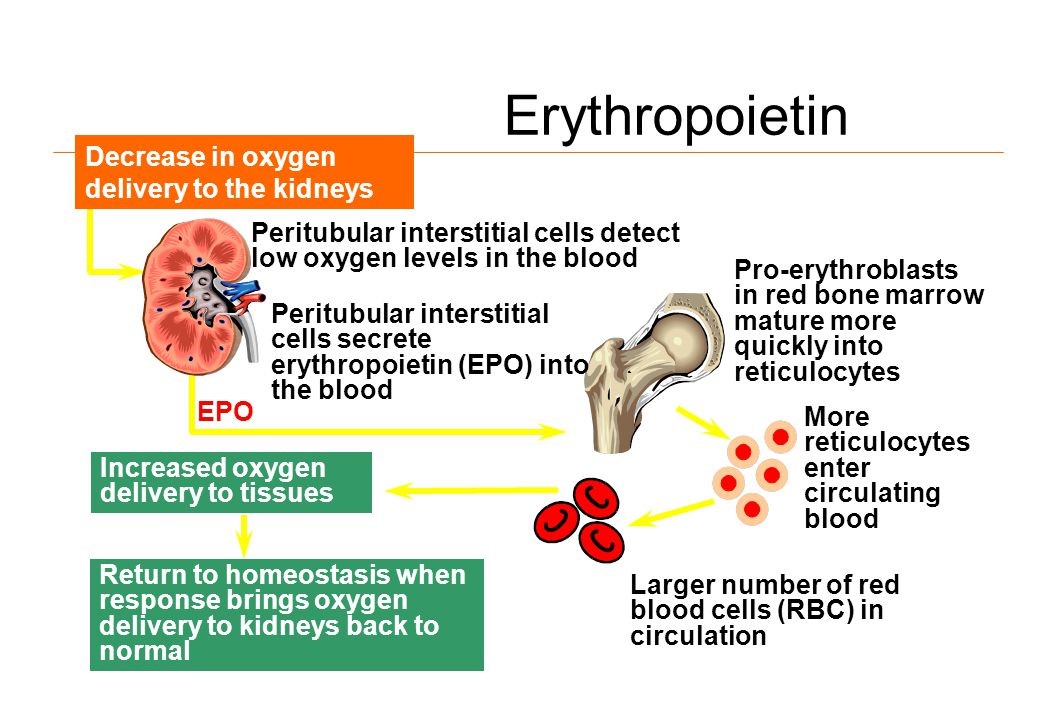
Erythropoietin in red blood cell production<br />Introduction:<br />Erythropoietin (abbreviated as EPO or Epoietin), produced primarily by the kidneys, is the principal factor responsible for the regulation of red blood cell production. In order to understand the role of EPO in controlling anemia, it is essential to understand red blood cell production (erythropoiesis) in the bone marrow. hematopoiesis is the means by which blood is formed is called hematopoiesis. Formed factors in the peripheral blood of an adult are the result of several generations of cells that begin development in the bone marrow and are released into the blood when they are mature or are needed. However, blood is not always formed only in the bone marrow but can be produced in different areas of the body, especially during different phases of growth and development. <br />Erythropoietin:<br />Erythropoietin is a glycoprotein with a molecular weight of approximately 30,000. It is produced primarily by the endothelium of peritubular capillaries in the kidney. Lower levels of EPO, about 10% of the total, are produced by hepatocytes surrounding the central vein in the liver. Macrophages in the bone marrow and astrocytes in the CNS may also make small amounts of EPO. Erythropoietin binds to a surface receptor found on erythroid progenitors and precursors in the bone marrow. Although relatively few receptors are present on early erythroid forming cells, the number of receptors increases with differentiation until a peak of about 1,100 receptors per cell is reached. The principal chief of EPO is to act in concert with other factors to stimulate the proliferation and maturation of responsive bone marrow erythroid precursors. EPO affects the expansion of progenitor cells by repressing apoptosis (programmed cell death) and by acting as a mitogen to increase production. EPO along with different factors also decreases the maturation time in the bone marrow. The normal regulation of erythropoiesis is a feedback loop. The primary stimulus for increased EPO synthesis is tissue hypoxia caused by decreased blood O2 availability. This hypoxia signal is received primarily in the kidney, which responds by increasing production and secretion of EPO. The EPO is transported to the bone marrow where it promotes the generation and differentiation of red cells. As an effect of this increased red cell production, the blood's oxygen carrying capacity increases, the stimulus of hypoxia is decreased, and EPO production is decreased to save a steady state. In order for EPO to increase blood production, the other substances required for erythropoiesis must be being in adequate amounts. These introduce iron for hemoglobin, Vitamin B12, and folic acid for DNA synthesis. When EPO was examined in normal people who initially had adequate iron stores it was found that they had a problem maintaining prolonged red cell expansion due to the deficiency of iron. Therefore intravenous iron supplementation is suggested when EPO is used for long term treatment. Added Vitamin B12 and folate may also be needed.<br /> <br />Figure: Role of erythropoietin in production of red blood cell. <br />