How to know if you’re vitamin D deficient and what to do about it?
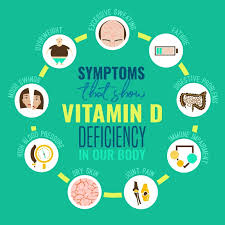
We’ve all heard of vitamin D – it’s one of the most well-known nutrients and most common supplements available. However, what you might not know is that vitamin D is that it’s not technically a vitamin. You can top up some of your vitamin D levels through diet (we tend to get about 10 per cent of our intake through food), but it’s mainly manufactured by the body in response to sun exposure, which actually makes it a type of hormone.<br /><br />Vitamin D is essential because it helps the body regulate calcium and phosphate levels and keeps bones, teeth and muscles healthy. It’s found in foods like oily fish, red meat, egg yolks and some fortified foods. However, you won’t be able to get the levels you need from diet alone. <br />The NHS advises that “a lack of vitamin D can lead to bone deformities such as rickets in children, and bone pain caused by a condition called osteomalacia in adults.<br /><br />Low levels of vitamin D have also been linked to mood disorders such as anxiety and depression and a lack of this essential hormone can contribute to the symptoms of seasonal affective disorder (SAD) which, according to the Royal College of Psychiatrists, affects 3 per cent of the population.<br /><br />What causes vitamin D deficiency?<br />As sunlight is our main natural source of vitamin D, short winter days and cloud cover can have an impact when it comes to getting enough vitamin D.<br />While it is possible to source some vitamin D through diet, it will be a small amount. There are a few further things to consider when looking at the causes of vitamin D deficiency. Some people suffer from a lack of absorption as a result of poor gut health and/or conditions such as Crohn’s and coeliac disease.<br /><br />According to the National Institutes of Health, individuals with darker skin are more likely to have lower vitamin D levels than those with lighter skin. This is all to do with the level of melanin in the skin. Individuals with lighter skin tones have less melanin and this allows them to absorb UVB radiation more efficiently and produce vitamin D more effectively than those with more melanin.<br /><br />What are the signs of vitamin D deficiency?<br />Deficiency can show up in many ways. Kalinik says, first and foremost, an unexplained “susceptibility to infections and viruses” might be a sign, given that vitamin D is a crucial component of robust immune function. Signs of deficiency may also present as “bone pain or muscle weakness (since vitamin D helps with the balance of calcium in the body) or even low mood and fatigue, which can often be associated with SAD.”<br />Alderson says there’s a hormonal element to consider, too. “Vitamin D plays a role in reproduction and glucose balance, and therefore PCOS (polycystic ovary syndrome), with the prevalence of vitamin D deficiency in women with PCOS being around 67-85 per cent.” So, it’s worth paying attention to possible hormonal imbalances and all their attendant symptoms, too.<br />Amasee Falah Jabbar AlShammar