Painless birth
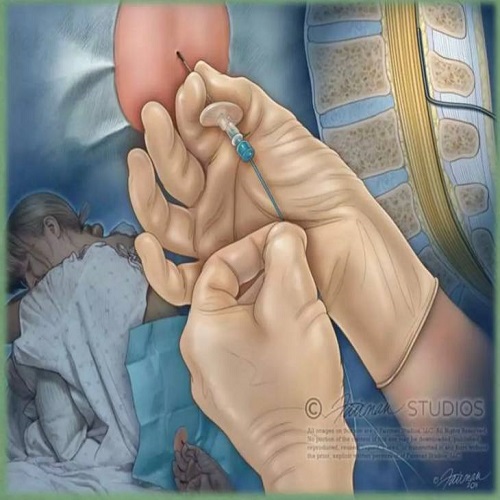
Labor Analgesia: <br />Labor analgesia refers to the various methods of pain relief used during labor and childbirth. The goal is to help the mother manage the intense discomfort of contractions, cervical dilation, and the delivery process while maintaining safety for both the mother and baby. Pain during labor is caused by uterine contractions, pressure on the pelvis and perineum, and the stretching of the cervix and vaginal tissues.<br /><br />Methods of Labor Analgesia<br /><br />Non-Pharmacological Methods:<br />Breathing Techniques: Controlled breathing, such as Lamaze or patterned breathing, helps women focus, relax, and manage pain.<br />Hydrotherapy: Warm baths or showers can help relax muscles and ease discomfort.<br />Massage and Positioning: Techniques like back massage or using a birthing ball can provide relief by alleviating pressure.<br />Acupressure and Acupuncture: These methods involve applying pressure to specific body points to reduce pain and promote relaxation.<br />TENS (Transcutaneous Electrical Nerve Stimulation): Electrical impulses are applied to the skin to reduce pain perception.<br />Pharmacological Methods:<br />Epidural Analgesia: A local anesthetic is injected into the epidural space of the spine, providing effective pain relief to the lower body while allowing the mother to remain awake and alert.<br />Spinal Analgesia: Similar to an epidural but involves a single injection of anesthetic into the spinal fluid, providing quick and strong pain relief, typically used for cesarean deliveries.<br />Opioids: Medications like morphine or fentanyl can be administered intravenously or via injection to relieve pain. These are usually reserved for early labor or when an epidural is not an option.<br />Nitrous Oxide: Inhaled gas (laughing gas) offers mild pain relief and relaxation during labor. It is self-administered and has few side effects.<br />Regional Blocks:<br />Pudendal Block: An injection of local anesthetic near the pudendal nerve, providing pain relief for the perineum during the pushing stage of labor.<br />Paracervical Block: An injection of anesthetic around the cervix, often used for early labor pain, though less commonly used today due to risks.<br />Advantages and Disadvantages<br /><br />Non-pharmacological methods have the advantage of being natural, with no side effects, and promoting maternal involvement in labor. However, they may not provide sufficient relief during intense or prolonged labor.<br />Pharmacological methods like epidurals and opioids provide significant pain relief but can have side effects such as hypotension, prolonged labor, or potential effects on the baby (e.g., drowsiness or respiratory depression).<br />Conclusion<br /><br />Labor analgesia encompasses a range of techniques, from natural methods like breathing exercises to medical interventions like epidurals and opioids. The choice of analgesia depends on the woman’s preferences, the progression of labor, and medical considerations. The goal is to ensure the mother’s comfort and well-being while facilitating a safe and positive childbirth experience. Effective communication between the healthcare team and the laboring woman is essential in making informed decisions about pain relief options.<br /><br /> م.م محمد عبد الزهرة صعصاع