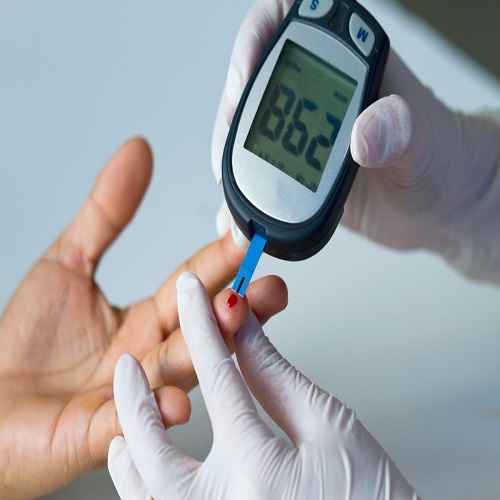
Diabetes mellitus
Refers to a group of diseases that affect how the body uses blood sugar (glucose). Glucose is an important source of energy for the cells that make up the muscles and tissues. It's also the brain's main source of fuel.The main cause of diabetes varies by type. But no matter what type of diabetes you have, it can lead to excess sugar in the blood. Too much sugar in the blood can lead to serious health problems.<br />Chronic diabetes conditions include type 1 diabetes and type 2 diabetes. Potentially reversible diabetes conditions include prediabetes and gestational diabetes. Prediabetes happens when blood sugar levels are higher than normal. But the blood sugar levels aren't high enough to be called diabetes. And prediabetes can lead to diabetes unless steps are taken to prevent it. Gestational diabetes happens during pregnancy. But it may go away after the baby is born.<br />Diabetes symptoms depend on how high your blood sugar is. Some people, especially if they have prediabetes, gestational diabetes or type 2 diabetes, may not have symptoms. In type 1 diabetes, symptoms tend to come on quickly and be more severe.<br />Some of the symptoms of type 1 diabetes and type 2 diabetes are:<br />• Feeling more thirsty than usual.<br />• Urinating often.<br />• Losing weight without trying.<br />• Presence of ketones in the urine. <br />• Feeling tired and weak.<br />• Feeling irritable or having other mood changes.<br />• Having blurry vision.<br />• Having slow-healing sores.<br />• Getting a lot of infections, such as gum, skin and vaginal infections.<br />Type 1 diabetes can start at any age. But it often starts during childhood or teen years. Type 2 diabetes, the more common type, can develop at any age. Type 2 diabetes is more common in people older than 40. But type 2 diabetes in children is increasing.<br />Risk factors <br />Risk factors for diabetes depend on the type of diabetes. Family history may play a part in all types. Environmental factors and geography can add to the risk of type 1 diabetes.<br />Sometimes family members of people with type 1 diabetes are tested for the presence of diabetes immune system cells (autoantibodies). If you have these autoantibodies, you have an increased risk of developing type 1 diabetes. But not everyone who has these autoantibodies develops diabetes.<br />Race or ethnicity also may raise your risk of developing type 2 diabetes. Although it's unclear why, certain people — including Black, Hispanic, American Indian and Asian American people — are at higher risk.<br />Prediabetes, type 2 diabetes and gestational diabetes are more common in people who are overweight or obese.<br />Complications<br />Long-term complications of diabetes develop gradually. The longer you have diabetes — and the less controlled your blood sugar — the higher the risk of complications. Eventually, diabetes complications may be disabling or even life-threatening. In fact, prediabetes can lead to type 2 diabetes. Possible complications include:<br />• Heart and blood vessel (cardiovascular) disease. <br />• Nerve damage from diabetes (diabetic neuropathy). <br />• Kidney damage from diabetes (diabetic nephropathy). <br />• Eye damage from diabetes (diabetic retinopathy). <br />• Foot damage.<br />• Skin and mouth conditions. <br />• Hearing impairment. <br />• Alzheimer's disease. <br />• Depression related to diabetes. <br />Prevention<br />Type 1 diabetes can't be prevented. But the healthy lifestyle choices that help treat prediabetes, type 2 diabetes and gestational diabetes can also help prevent them:<br />• Eat healthy foods. <br />• Get more physical activity. Try to get about 30 minutes of moderate aerobic activity on most days of the week. Or aim to get at least 150 minutes of moderate aerobic activity a week. <br />• Lose excess pounds. If you're overweight, losing even 7% of your body weight can lower the risk of diabetes.<br />Dr. Rania Abd Elmohsen Abo Elnour.(faculty of health and medical techniques, Anaesthesia technique department)<br />