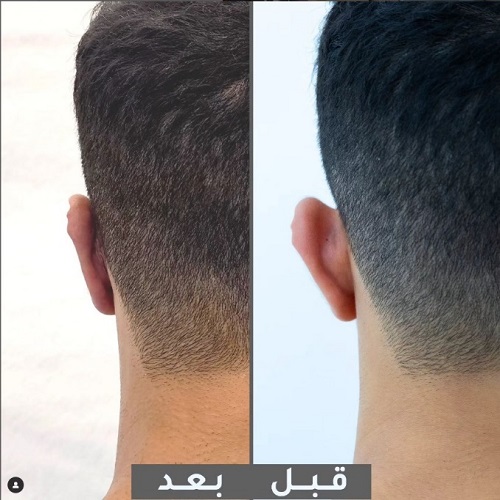
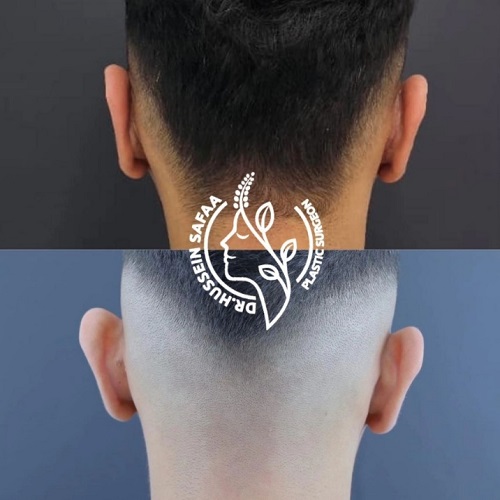
Otoplasty: Reshaping Your Ears for a More Balanced Look
Otoplasty, also known as ear reshaping surgery, is a cosmetic procedure that aims to improve the appearance of the ears. It is commonly used to correct protruding ears, a condition that can cause self-consciousness and affect a person's self-esteem.<br />Why Consider Otoplasty?<br /><br />Prominent ears can be a source of embarrassment for many individuals, particularly children who may face teasing and bullying. Otoplasty can help to:<br />• Improve self-confidence: By addressing a physical feature that may cause discomfort, otoplasty can boost self-esteem and overall well-being.<br />• Enhance facial harmony: Reshaped ears can create a more balanced and aesthetically pleasing facial profile.<br />• Correct birth defects or injuries: Otoplasty can also be used to repair ears that have been damaged by injury or are misshapen due to a birth defect.<br /><br />The Otoplasty Procedure<br /><br />Otoplasty is typically performed under general anesthesia, especially for children, or local anesthesia with sedation for adults. The procedure involves making incisions behind the ears to expose the cartilage. The surgeon then reshapes the cartilage to bring the ears closer to the head and creates a more natural fold.<br />The entire procedure usually takes 1-2 hours, and the results are long-lasting.<br /><br /><br /><br />Recovery and Aftercare<br />After surgery, patients may experience some swelling, bruising, and discomfort, which can be managed with pain medication. It is important to keep the ears clean and dry to prevent infection. Most patients can return to their normal activities within a few days.<br />Who is a Good Candidate for Otoplasty?<br />Ideal candidates for otoplasty are generally healthy individuals who are physically and emotionally stable. It is important to have realistic expectations about the procedure and understand that it cannot completely eliminate all ear asymmetry.<br />Consulting a Board-Certified Plastic Surgeon<br />If you are considering otoplasty, it is crucial to consult with a board-certified plastic surgeon. They will evaluate your ears, discuss your goals, and determine if you are a good candidate for the procedure.<br />Remember: Otoplasty is a personal decision, and it is important to weigh the benefits and risks before proceeding. A qualified surgeon can help you make an informed choice and achieve the desired results.<br /><br />Dr.Hussein Safaa<br />Plastic Surgeon<br />