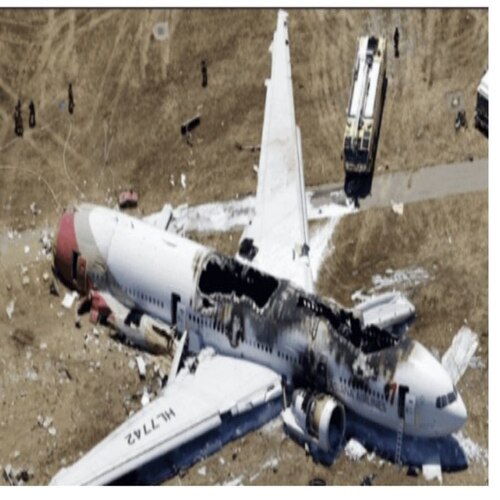



Why did the plane fall? The most common reasons that lead to plane crashes. مقالة بعنوان Dr. Abdullah Jabar Hussain نشر التدريسي
Why did the plane fall? The most common reasons that lead to plane crashes. مقالة بعنوان <br />Dr. Abdullah Jabar Hussain <br />Air travel is one of the most popular modes of transportation in the world, especially for those who travel <br />long distances and frequently. While many people are afraid of flying, traveling by plane is a safer means of transportation than traveling by car.<br />Unfortunately, although the odds of being involved in an aviation accident are very low, the injuries and number of deaths resulting from such accidents tend to be catastrophic compared to other modes of transportation. Aircraft accidents are often more deadly due to the sheer size, weight and speed of aircraft.<br />1. Pilot error is the most common cause of aviation accidents, as statistics from the website (planecrashinfo) indicate that 49% of aircraft accidents are caused by “pilot error.” Bad training, lack of experience, and fatigue are all factors that can contribute to this matter. <br />The pilot is responsible for every phase of the flight, so it is up to him to execute safe takeoffs and landings. respond mechanical problems, and navigate the plane during inclement weather. In addition to these responsibilities, the pilot must maintain proper fuel levels, use navigation systems, and follow... Instructions from an air traffic controller, maintaining proper speed and altitude during flight, and performing a host of other tasks. Even a simple mistake or delay in handling any of these tasks properly can lead to disaster.<br />They constitute 10% of aircraft accidents, and are errors made by air traffic controllers who are responsible for controlling the flow of air traffic and ensuring that aircraft maintain an appropriate distance from each other and take off and land safely, and errors made by maintenance engineers and ground crew, for example during work. Maintenance, fueling or while loading the aircraft with luggage.<br /><br />5. sabotage <br />Although they rarely occur, aviation accidents resulting from sabotage operations constitute approximately 8% of all accidents, and include the hijacking of the aircraft or the presence of an explosive device on board, and terrorist operations such as bombing and shooting down missiles.<br /><br />6. Electronic failure <br />2 . Mechanical malfunction<br />Mechanical failures are the second leading cause of aviation accidents, accounting for 23% of all accidents. Mechanical faults can occur due to an “inherent” failure in the aircraft design, a part not installed or maintained properly, or the installation of new, untried equipment. External forces such as birds hitting aircraft are also known to cause mechanical faults.<br />3 Inclement weather is the cause of 10% of aviation accidents, and despite the necessary precautions taken by airlines to monitor weather conditions and avoid flying in severe weather conditions, the weather can often be unpredictable.Lightning poses a major danger to aircraft, as it can cause electrical malfunctions. Other weather conditions that can cause aviation accidents are strong winds, severe storms, heavy rain, snow, and dense fog that limits the pilot’s vision during takeoff or landing. Human errors<br /><br />