Impact of diet on learning, memory and cognition
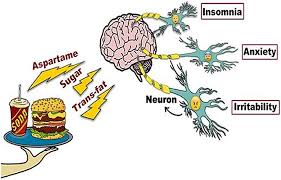
The so-called western diet is rich in saturated fat and refined carbohydrates. Excessive consumption of this diet is associated not only with the development of obesity but also with reduced global cognitive function, cognitive decline, and dementia. <br /> High fat and high sugar foods are highly rewarding and excessive consumption leads to enduring alterations in brain regions involved in learning, memory, and reward. These changes are proposed to drive overconsumption by promoting food seeking behaviors. Moreover, alterations in brain regions essential for learning, memory, and behavioral control induced by this diet appear to be especially profound in the immature brain. <br /> The neuroplasticity mechanisms that underpin cognitive and behavioral alterations with particular reference to neuronal alterations in the hippocampus and prefrontal cortex (PFC), brain regions essential for encoding memories and controlling behavior, as well as in the amygdala and nucleus accumbens, regions involved in processing and seeking rewards.<br /> The abundance of palatable foods in modern environments contributes to their overconsumption, increases in body weight and progression to obesity. Kendig et al. examined whether food-seeking behaviors in rodents differ in an environment associated with junk foods vs. one that contained regular chow. The important result was that food seeking behavior in the environment associated with junk food became relatively inflexible and habit based, whereas food seeking in the chow associated environment was flexible and goal-directed. These and other findings may provide new insights into environmental determinants of over-consumption. Stressful experiences are also involved in triggering overconsumption in binge-eating disorder (BED). Scientist utilized functional imaging (fMRI) following exposure to an acute stressor (cold pressor test) and observed reduced inhibitory hippocampal responsiveness to food cues in binge-eating disorder symptomatic women.Consumption of a western style diet in rats altered levels of the neurotransmitter dopamine and associated metabolites in the striatum and hippocampus, suggesting a mechanistic basis by which such diets may alter food related learning and memory processes. Recent evidence has begun to link the gut microbiome with dietary- and metabolic-associated hippocampal impairment. High fat and/or high sugar diets alter gut bacteria (microbiotal) colonies and in turn increase intestinal permeability and reduce blood brain barrier integrity. This creates a vulnerability to the influx of toxins from the circulation to the brain, potentially underpinning diet-induced cognitive dysfunction.<br />د.زهراء طارق حسون <br />دكتوراه فسلجة الدماغ والاعصاب<br />