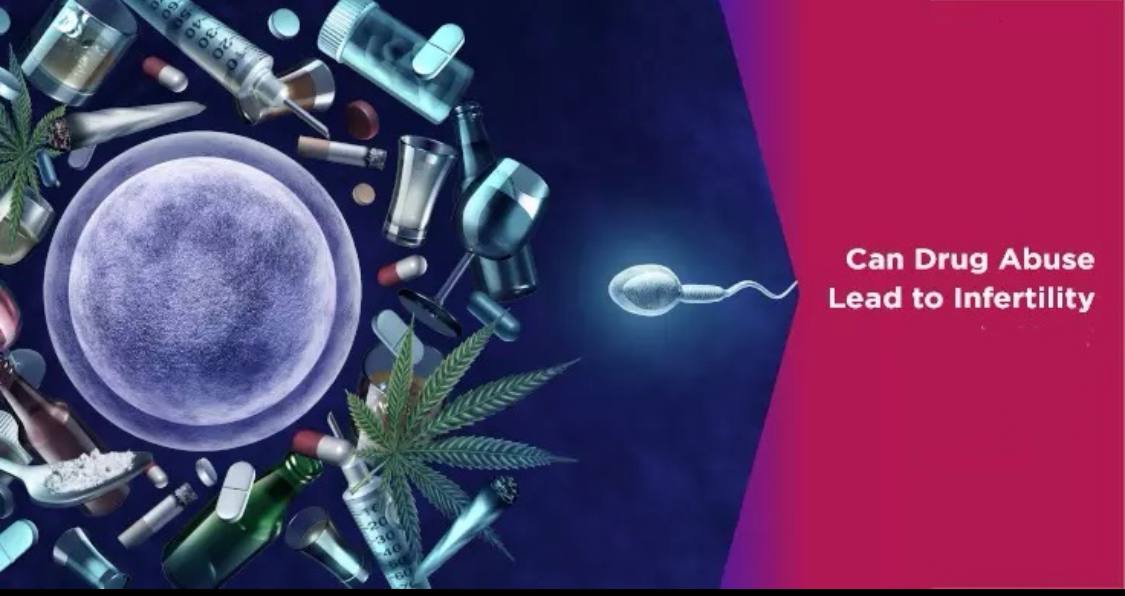
Addiction and drug abuse effects on IVF and ICSI outcomes
Dr. Noor Kareem Dhumad<br />Reproductive physiology/ Assisted Reproductive Techniques (IVF, ICSI and IUI) <br /><br /><br />Addiction and drug abuse effects on IVF and ICSI outcomes<br />Drug addiction can significantly affect the outcomes of assisted reproductive technologies such as IVF (In Vitro Fertilization) and ICSI (Intracytoplasmic Sperm Injection). These effects can result from the direct physiological impact of drugs on reproductive health and the secondary effects on overall well-being. <br /><br />1. Effects on Female Reproductive Health<br /><br /> • Ovarian Reserve and Egg Quality:<br />Drugs like cocaine, heroin, and methamphetamine can impair ovarian reserve, leading to fewer and lower-quality eggs retrieved during IVF.<br /> • Hormonal Imbalances:<br />Addiction disrupts the hypothalamic-pituitary-gonadal axis, which is critical for regulating reproductive hormones necessary for successful ovulation and implantation.<br /> • Uterine Environment:<br />Chronic drug use can lead to uterine abnormalities, such as poor endometrial receptivity, reducing the chances of successful implantation.<br /> • Increased Miscarriage Rates:<br />Even if conception occurs, drug addiction is associated with a higher risk of miscarriage due to poor egg quality, chromosomal abnormalities, or uterine factors.<br /><br />2. Effects on Male Reproductive Health<br /><br /> • Sperm Quality:<br />Drugs, including marijuana, opioids, and anabolic steroids, can lower sperm count, reduce motility, and increase DNA fragmentation. These factors directly impact the success rates of ICSI, which relies on high-quality sperm.<br /> • Testicular Function:<br />Prolonged drug use can impair testosterone production and testicular function, further reducing fertility potential.<br /><br />3. Impact on Embryo Development<br /><br /> • Drugs can lead to genetic mutations or chromosomal abnormalities in gametes, which may compromise embryo quality. Poor-quality embryos have lower implantation and live birth rates.<br /><br />4. Increased Risk of Cycle Cancellation<br /><br /> • Poor response to ovarian stimulation or inadequate sperm quality due to drug-related issues may lead to canceled IVF or ICSI cycles.<br /><br />5. Higher Risk of Pregnancy Complications<br /><br /> • Drug addiction increases the likelihood of complications such as ectopic pregnancy, preterm labor, and intrauterine growth restriction, even if pregnancy is achieved.<br /><br />6. Long-Term Effects on Offspring<br /><br /> • Children conceived from individuals with active drug addiction may have a higher risk of developmental issues or inherited genetic damage, although this is still under study.<br /><br />Recommendations for Improved Outcomes:<br /><br /> 1. Cessation of Drug Use:<br /> • Individuals should abstain from drug use for at least several months before starting IVF or ICSI. This allows time for the body to recover, especially in terms of egg and sperm quality.<br /> 2. Medical Detoxification and Counseling:<br /> • Seeking help for addiction can improve general and reproductive health.<br /> 3. Nutritional and Lifestyle Changes:<br /> • Proper diet, exercise, and supplements can mitigate some effects of prior drug use.<br /> 4. Regular Medical Checkups:<br /> • Hormonal and reproductive health assessments can guide personalized treatment strategies.<br /><br />Addressing addiction is crucial not just for improving IVF/ICSI outcomes but also for ensuring a healthier pregnancy and child development.<br />