The Impact of Artificial Intelligence in the Field of Radiology Technologies By Hassan Faez Abdulhussein
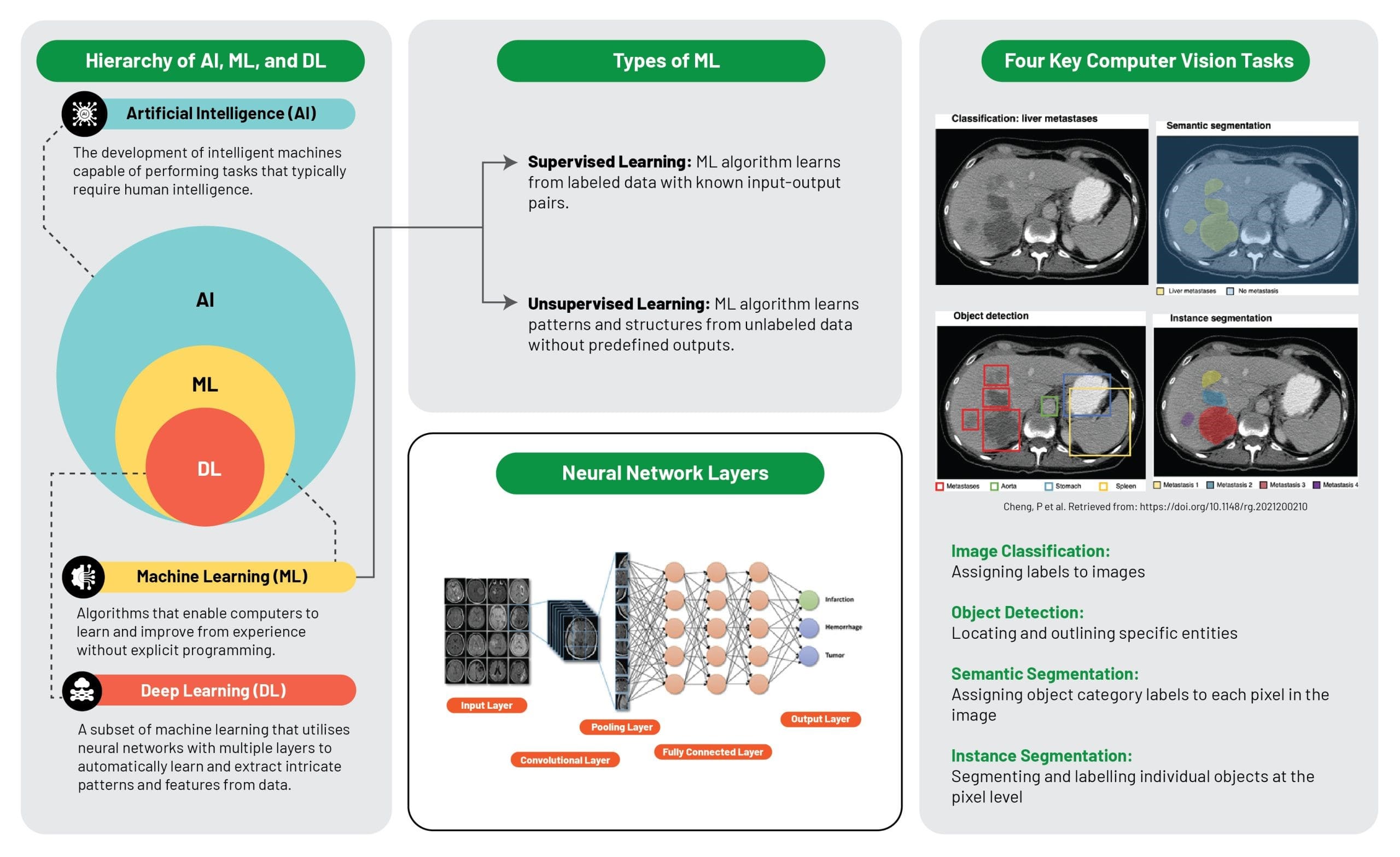
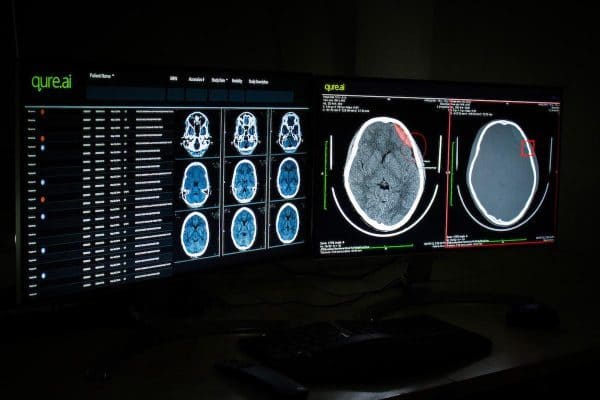
Artificial Intelligence (AI) is transforming industries worldwide, and the field of radiology is no exception. The integration of AI technologies into radiology has led to significant advancements, promising enhanced diagnostic accuracy, improved workflow efficiency, and better patient outcomes. This article explores the various ways AI is impacting radiology technologies, along with its benefits, challenges, and future potential.<br />Enhancing Diagnostic Accuracy<br />One of the most significant contributions of AI in radiology is its ability to enhance diagnostic precision. AI algorithms, particularly those based on deep learning, are capable of analyzing medical images such as X-rays, CT scans, and MRIs with remarkable accuracy. These algorithms can detect subtle anomalies that might be missed by the human eye, such as early-stage tumors or microfractures, thereby facilitating earlier and more effective interventions. <br />For instance, AI-powered tools are now being used to identify lung nodules, breast cancer in mammograms, and neurological disorders in brain scans. These tools assist radiologists by acting as a 'second pair of eyes,' reducing diagnostic errors and improving overall reliability.<br />Streamlining Workflow Efficiency<br />AI is also transforming the workflow in radiology departments. Traditional radiology processes often involve significant manual effort, including image acquisition, segmentation, analysis, and reporting. AI technologies automate many of these tasks, enabling radiologists to focus on more complex cases.<br />For example, AI can prioritize imaging studies based on urgency, ensuring that critical cases are reviewed first. Additionally, automated reporting systems can generate preliminary reports, saving time and reducing the burden on radiologists.<br /><br />Advancing Personalized Medicine<br />AI-driven radiology is paving the way for personalized medicine by integrating imaging data with other patient-specific information, such as genetic profiles and clinical history. This integration enables the development of tailored treatment plans that address individual patient needs.<br />For example, in oncology, AI can analyze imaging data to predict tumor behavior, guide biopsy locations, and monitor treatment response. Such capabilities are instrumental in delivering targeted therapies and optimizing patient care.<br />Challenges and Ethical Considerations<br />Despite its potential, the adoption of AI in radiology is not without challenges. One major concern is the 'black box' nature of many AI algorithms, which can make it difficult to understand how specific decisions are made. This lack of transparency can pose challenges in gaining trust from clinicians and patients.<br />Additionally, there are ethical considerations regarding patient data privacy and the potential for bias in AI systems. Ensuring that AI tools are trained on diverse datasets is essential to avoid disparities in diagnostic accuracy across different populations.<br /><br />The Future of AI in Radiology<br />The future of AI in radiology is promising, with ongoing research and development aimed at addressing current limitations. Emerging technologies such as federated learning are enhancing data privacy while enabling collaborative advancements in AI models. Furthermore, the integration of AI with other cutting-edge technologies, such as augmented reality and robotics, is expected to revolutionize interventional radiology and other subspecialties.<br />Ultimately, AI will not replace radiologists but rather augment their capabilities, allowing them to deliver more precise and efficient care.<br />Conclusion<br />The impact of AI in radiology technologies is profound, offering the potential to revolutionize the way medical imaging is performed and interpreted. While challenges remain, the ongoing advancements in AI are paving the way for a future where radiologists and AI work hand-in-hand to deliver optimal patient care. By embracing these technologies responsibly, the field of radiology can continue to advance, improving healthcare outcomes for all.<br /><br />