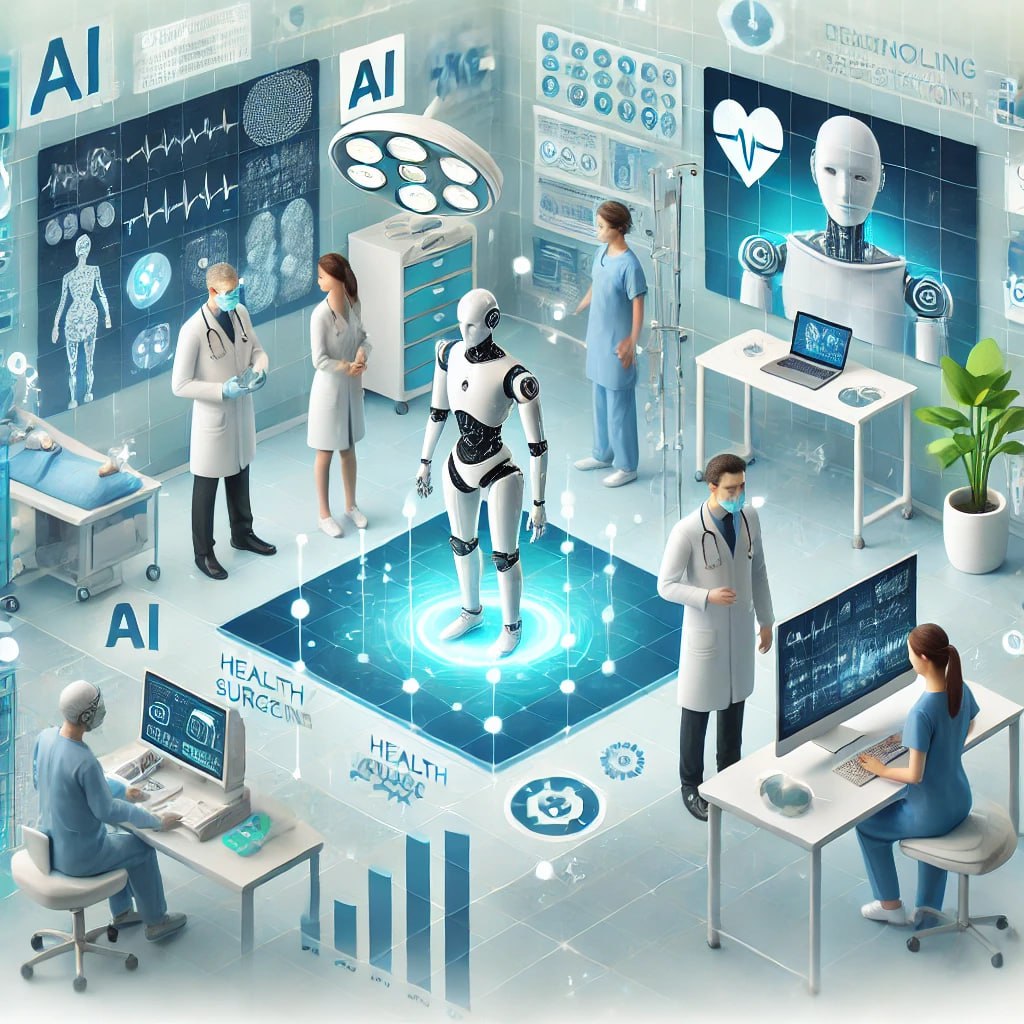
Artificial Intelligence in Medicine
Artificial Intelligence (AI) is transforming medicine by introducing groundbreaking innovations that improve diagnosis, treatment, and overall healthcare management. At its core, AI involves using advanced algorithms, machine learning models, and neural networks to mimic human intelligence and process vast and complex medical datasets. These technologies enable AI systems to analyze data like medical images, patient histories, genomic sequences, and real-time monitoring data with unprecedented speed and accuracy. This revolution is not just about efficiency but also about precision, helping healthcare providers deliver better care and save lives.<br />One of the most prominent applications of AI in medicine is early disease detection and diagnosis. AI systems can analyze medical imaging, such as X-rays, CT scans, and MRIs, to identify anomalies like tumors, fractures, or vascular diseases. For example, AI-powered tools have shown remarkable accuracy in detecting breast cancer, often outperforming radiologists in identifying early-stage cases. Similarly, AI is used to predict the onset of chronic diseases, such as diabetes or cardiovascular conditions, by analyzing patient data and identifying subtle patterns that may be missed by traditional methods.<br />AI is also playing a significant role in drug discovery and development, which traditionally takes years and costs billions of dollars. Machine learning models can analyze molecular structures, simulate drug interactions, and predict the effectiveness of potential treatments. This accelerates the development of new medications, as was evident during the COVID-19 pandemic when AI was used to study the virus’s genetic makeup and aid in vaccine development. AI systems also help in repurposing existing drugs by identifying new uses for known compounds, further expediting treatment availability.<br />In the field of robotic surgery, AI is enhancing precision and reducing the risks associated with complex procedures. AI-assisted robotic systems, like the da Vinci Surgical System, enable surgeons to perform minimally invasive surgeries with enhanced accuracy and control. These systems use AI to analyze real-time data during surgery, providing feedback that helps optimize outcomes. Over time, these robots learn from previous surgeries, improving their performance in subsequent procedures.<br />AI is equally transformative in personalized medicine, where treatment plans are tailored to individual patients. By analyzing a patient’s genetic data, lifestyle, and medical history, AI systems can recommend highly specific interventions. For instance, in oncology, AI can suggest treatment protocols based on the genetic mutations of a patient’s tumor, increasing the likelihood of successful outcomes. Personalized medicine driven by AI is not only more effective but also reduces the trial-and-error approach often associated with traditional treatments.<br />Another major contribution of AI is in healthcare management and operations. AI-powered systems can streamline administrative tasks, such as scheduling appointments, managing patient records, and optimizing hospital resources. Predictive models analyze patient admissions data to forecast demand, ensuring adequate staffing and resource allocation. Furthermore, AI enhances telemedicine by enabling virtual consultations, remote monitoring of patients through wearable devices, and automated follow-ups, making healthcare more accessible, especially in remote or underserved areas.<br /><br />Despite its transformative potential, AI in medicine comes with significant challenges. Data privacy and security are primary concerns, as AI systems rely on sensitive patient data for training and operation. Protecting this data from breaches and ensuring compliance with privacy regulations, such as HIPAA, is critical. Bias in AI models is another concern, as algorithms trained on unrepresentative datasets can produce inaccurate or discriminatory results.<br />For example, an AI model trained on data predominantly from one demographic group might not perform well for others, leading to disparities in care. Additionally, there is a trust gap between AI systems and healthcare professionals, with some physicians hesitant to rely on AI for critical decisions, fearing errors or misinterpretation of complex medical conditions.<br />AI implementation also requires substantial investment in infrastructure, training, and integration into existing healthcare workflows. Small or resource-limited healthcare providers may struggle to adopt these technologies, potentially widening the gap between advanced and less-developed healthcare systems.<br />Looking ahead, the future of AI in medicine is promising. As algorithms become more sophisticated and data availability increases, AI is expected to provide even more accurate diagnoses, better predictive models, and innovative treatment solutions. Collaboration between AI developers, healthcare providers, and policymakers will be crucial to address ethical concerns, ensure equitable access, and fully realize the potential of AI in medicine. If harnessed responsibly, AI has the power to revolutionize healthcare, making it more efficient, personalized, and accessible for everyone.<br />م. طيبه حسين شامان