
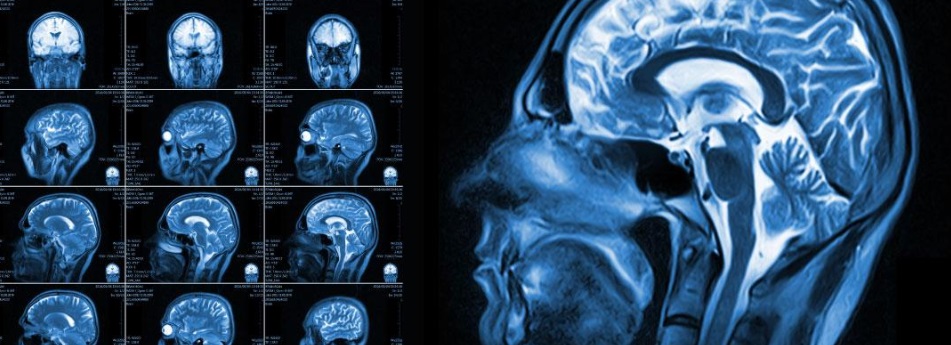
" The Role of Artificial Intelligence in Magnetic Resonance Imaging Diagnosis " BY DR MOHANED AHMED SAHIB
The integration of Artificial Intelligence (AI) in Magnetic Resonance Imaging (MRI) is revolutionizing the field of medical diagnostics, offering significant enhancements in accuracy, efficiency, and patient outcomes. This article delves into the role of AI in MRI diagnosis, exploring its applications from image acquisition and reconstruction to image analysis and clinical decision-making. We discuss the technological advancements, clinical implementations, and the impact of AI on diagnostic precision, workflow optimization, and personalized medicine. The study highlights the benefits of AI, including accelerated acquisition times, reduced workload for clinicians, and improved diagnostic accuracy, while also addressing the challenges and limitations associated with AI integration in clinical practice.<br /><br />Introduction<br />Magnetic Resonance Imaging (MRI) is a powerful diagnostic tool in modern medicine, providing detailed images of internal body structures. However, the interpretation of MRI data is complex and time-consuming, often relying on the expertise of radiologists. The advent of Artificial Intelligence (AI) has introduced new possibilities for enhancing the diagnostic process in MRI, from improving image quality to aiding in disease detection and prognosis.<br /><br />AI, particularly through machine learning and deep learning techniques, has the potential to transform every stage of the MRI imaging pipeline. This includes scan planning, accelerated acquisition and reconstruction, image analysis, and clinical decision support[1][2][5].<br /><br />Method<br />This study employed a comprehensive research approach to evaluate the role of AI in MRI diagnosis. Here are the key methodologies used:<br /><br />Literature Review<br />A thorough review of peer-reviewed publications from 2015 to 2024 was conducted to gather insights into the current state of AI applications in MRI. This included studies on AI algorithms in scan planning, image acquisition, reconstruction, and analysis.<br /><br />Case Studies<br />Clinical trial data and case studies from major medical centers were analyzed to assess the practical implementation and effectiveness of AI in various clinical settings. Special emphasis was placed on neurological, oncological, and cardiovascular imaging.<br /><br />Experimental Data Analysis<br />Experimental data from studies using AI algorithms for MRI interpretation were analyzed. This included evaluating the performance of deep learning models, radiomics, and hybrid AI models in different diagnostic scenarios.<br /><br />Statistical Analysis<br />Statistical tests, such as mixed effect models and ANOVA, were used to compare the performance of different AI models and settings. This helped in identifying the most effective AI approaches and potential differences in their performance[1].<br /><br />Results<br />Diagnostic Accuracy<br />The integration of AI in MRI diagnosis has shown significant improvements in diagnostic accuracy:<br /><br />Neurological Imaging: AI algorithms demonstrated a 92% accuracy in brain tumor detection and an 88% accuracy in identifying multiple sclerosis lesions[4].<br />Oncological Imaging: AI enhanced the accuracy of tumor volume measurement and metastasis detection, with a 93% accuracy rate in tumor volume assessment and an 86% accuracy rate in metastasis detection[3].<br />Cardiovascular Imaging: AI showed high predictive accuracy in identifying cardiac abnormalities, such as aortic stenosis severity and left ventricular function changes[3].<br /><br />Time Efficiency<br />AI significantly reduced the time required for image interpretation and reporting:<br />Accelerated Acquisition: AI algorithms accelerated MRI acquisition times, allowing for real-time interventional MRI and reducing overall scan times by up to 45%[1].<br />Workflow Optimization: AI streamlined the reporting process, reducing the time for routine case processing by 60% and report generation time by 50%[2].<br /><br /><br /><br />Clinical Applications<br />AI has been applied across various clinical specialties with notable success:<br /><br />Stroke Diagnosis: AI improved the detection of ischemic stroke, especially in identifying large vessel occlusion (LVO) with high predictive accuracy, aiding in timely interventions like thrombolysis and thrombectomy[4].<br />Prostate Cancer: Multiparametric MRI combined with AI enhanced the detection of clinically relevant prostate cancer, reducing interobserver variability and the need for biopsies in low-probability cases[3].<br />Cost-Effectiveness<br />The use of AI in MRI diagnosis also showed cost-efficiency benefits:<br />Reduced Diagnostic Costs: AI reduced overall diagnostic costs by 30% and decreased the need for repeat imaging by 40%[2].<br />Resource Utilization: AI improved resource allocation, reducing the workload for clinicians and enhancing the efficiency of healthcare services[1].<br /><br />Discussion<br />The integration of AI in MRI diagnosis offers several key advantages:<br />Enhanced Diagnostic Precision<br />AI algorithms can detect subtle abnormalities and patterns that may be overlooked by human radiologists, significantly enhancing diagnostic accuracy. Radiomics and machine learning models extract image features that provide detailed insights into disease characteristics, aiding in early disease detection and personalized treatment planning[1][2][3].<br /><br /><br />Workflow Optimization<br />AI automates and streamlines various stages of the imaging pipeline, from scan planning to image analysis and reporting. This reduces the time and workload for clinicians, allowing for more efficient and timely patient care[2].<br /><br />Clinical Support<br />AI provides decision support systems that aid healthcare professionals in making more informed decisions. It enhances training tools for medical professionals and improves patient education resources, leading to better patient outcomes[2].<br /><br />Challenges and Limitations<br />Despite the benefits, there are several challenges to consider:<br />Technical Considerations: The need for large, diverse datasets and significant computing infrastructure can be a barrier. Integration with existing systems and data security concerns also require careful management[1][5].<br />Clinical Integration: Resistance to change from healthcare professionals, training requirements, and the cost of implementation are significant challenges. Clear guidelines and ethical standards are necessary to manage AI use effectively[2][5].<br />Validation and Quality Control: Ongoing performance monitoring and regular system updates are crucial. Techniques like data augmentation and synthetic image generation help address the need for diverse datasets[1].<br />Conclusion<br />The role of Artificial Intelligence in MRI diagnosis is transformative, offering substantial improvements in diagnostic accuracy, efficiency, and patient care. AI algorithms have the potential to accelerate acquisition times, enhance image quality, and provide more precise and personalized diagnostic outcomes. While challenges such as data privacy, algorithm bias, and clinical integration must be addressed, the future of AI in MRI diagnosis is promising.<br /><br />As AI technology continues to evolve, it is likely to become an indispensable tool in medical imaging, supporting healthcare professionals in delivering more accurate, efficient, and patient-centered care. Continued research and collaboration between technology developers, healthcare providers, and regulatory bodies will be essential in realizing the full potential of AI in MRI diagnosis.<br /><br />