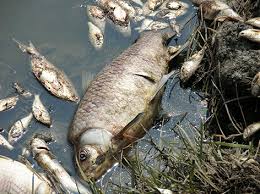
The Impact of Petroleum Waste on Fishery Resources
Petroleum pollution is a major environmental issue, particularly in aquatic ecosystems. Oil spills, whether from shipping accidents, offshore drilling, or land-based runoff, have devastating effects on marine and freshwater environments. One of the most vulnerable groups to petroleum waste are fish and other aquatic organisms. This article explores the significant impact of petroleum pollution on fishery resources, including the short- and long-term effects on fish populations, ecosystem health, and the fishing industry.<br /><br />Sources of Petroleum Pollution<br /><br />Petroleum waste enters aquatic ecosystems through various sources, including:<br /> 1. Oil Spills: Accidental releases of oil into oceans or rivers during transport, drilling, or extraction processes are the most visible and immediate form of petroleum pollution.<br /> 2. Runoff from Land: Oil and petroleum-based products, such as lubricants and fuel, can enter water bodies through rainwater runoff from urban areas, roads, or industrial sites.<br /> 3. Offshore Drilling Operations: Drilling rigs release small amounts of petroleum into the water during extraction and maintenance activities, which accumulate over time.<br /> 4. Waste from Ships: Tankers and cargo ships often release waste oil, ballast water, and other petroleum products, either accidentally or illegally.<br /><br />Effects of Petroleum Pollution on Fishery Resources<br /> 1. Toxicity to Fish<br />Petroleum products, particularly crude oil and its refined derivatives, contain numerous toxic substances like polycyclic aromatic hydrocarbons (PAHs), heavy metals, and volatile organic compounds. These pollutants can be ingested by fish through contaminated water, food sources, or their gills. The effects of petroleum toxins on fish include:<br /> • Lethal Effects: High concentrations of oil can suffocate fish by clogging their gills, leading to oxygen deprivation.<br /> • Reproductive Disruption: Petroleum compounds can interfere with fish reproduction by affecting hormone levels, causing deformities in embryos, reducing fertility, and preventing successful spawning.<br /> • Acute Toxicity: Immediate exposure to high levels of oil can cause physical harm to fish, including skin lesions, fin erosion, and internal damage to organs such as the liver and kidneys.<br /> 2. Habitat Destruction<br />Oil pollution can damage critical fish habitats, such as coral reefs, seagrass beds, and mangroves, which serve as breeding, feeding, and shelter areas for many fish species. The thick oil films that cover water surfaces can reduce the penetration of sunlight, harming aquatic plants and phytoplankton—key elements in the food chain. The destruction of these habitats leads to a loss of biodiversity and a reduction in fish stocks.<br /> 3. Bioaccumulation and Biomagnification<br />Petroleum pollutants, particularly PAHs, are persistent in the environment and can accumulate in the tissues of aquatic organisms. Fish that ingest contaminated food or water accumulate these toxins in their bodies. Over time, these harmful substances can move up the food chain as predators consume contaminated fish. This process of bioaccumulation and biomagnification poses serious risks to both aquatic life and humans who consume contaminated fish.<br /> 4. Disruption of Fish Behavior<br />Petroleum pollution can also alter the behavior of fish. Studies have shown that fish exposed to petroleum-based contaminants exhibit abnormal swimming patterns, reduced ability to find food, and increased stress levels. These changes can impair the ability of fish to avoid predators, find mates, and thrive in their natural environments.<br /> 5. Long-Term Ecosystem Impact<br />Even after an oil spill is cleaned up, the long-term effects on fish populations and aquatic ecosystems can persist for decades. The recovery of fish populations may be slow, as oil contamination can impair breeding success, reduce juvenile survival rates, and disrupt the overall food web. Ecosystem services provided by healthy fish populations, such as nutrient cycling and supporting biodiversity, are therefore severely compromised.<br /><br />Economic and Social Impact on the Fishing Industry<br /><br />The impact of petroleum pollution on fishery resources extends beyond ecological damage, affecting the livelihoods of millions of people dependent on fishing industries:<br /> 1. Decline in Fish Stocks<br />Decreases in fish populations due to oil contamination can lead to lower catch rates, affecting both commercial and artisanal fisheries. This leads to a reduction in available seafood, raising the price of fish products, and in some cases, causing shortages.<br /> 2. Loss of Market Confidence<br />Oil spills and petroleum-related contamination can create public fear about the safety of consuming fish and seafood, leading to a decrease in market demand. Fishermen and fish producers may face difficulties in selling their products, especially if there are concerns over contamination.<br /> 3. Long-Term Economic Losses<br />The recovery of affected fisheries can take years, and during this time, local economies dependent on the fishing industry suffer. Communities that rely on fishing for employment and income may face significant financial hardship.<br /><br />Mitigation and Prevention Strategies<br /><br />To reduce the impact of petroleum pollution on fishery resources, several strategies should be implemented:<br /> 1. Stricter Regulations<br />Governments and international organizations should enforce stricter regulations on oil extraction, transportation, and waste disposal. This includes imposing penalties on companies that violate environmental standards and require the use of safer technologies.<br /> 2. Improved Spill Response Plans<br />Efficient and effective response mechanisms to oil spills are essential to minimize the damage to aquatic ecosystems. Rapid containment, cleanup, and restoration efforts can help reduce the long-term impact on fish populations.<br /> 3. Oil Spill Containment Technologies<br />The development and deployment of advanced oil spill response technologies, such as booms, skimmers, and absorbent materials, can help prevent oil from spreading and entering sensitive habitats.<br /> 4. Restoration of Affected Ecosystems<br />Efforts to restore damaged ecosystems, such as planting seagrass, rebuilding coral reefs, and rehabilitating mangrove forests, can help speed up the recovery of fish populations and the overall health of aquatic ecosystems.<br /> 5. Public Awareness and Education<br />Raising awareness about the risks of petroleum pollution and promoting sustainable fishing practices can help mitigate the damage. Public education campaigns about the importance of protecting aquatic ecosystems can encourage more responsible behaviors by industries, governments, and the general public.<br /><br />Conclusion<br /><br />Petroleum pollution represents a significant threat to global fishery resources, causing harm to fish populations, ecosystems, and the livelihoods of those dependent on the fishing industry. The toxicity, habitat destruction, and long-term environmental impact of petroleum waste require urgent action from governments, industries, and communities to minimize the damage. Through improved regulations, better response strategies, and ecosystem restoration efforts, it is possible to mitigate the effects of petroleum pollution and safeguard the health of aquatic ecosystems for future generations.<br /><br />The assistant: Noor Ahmed Mustafa