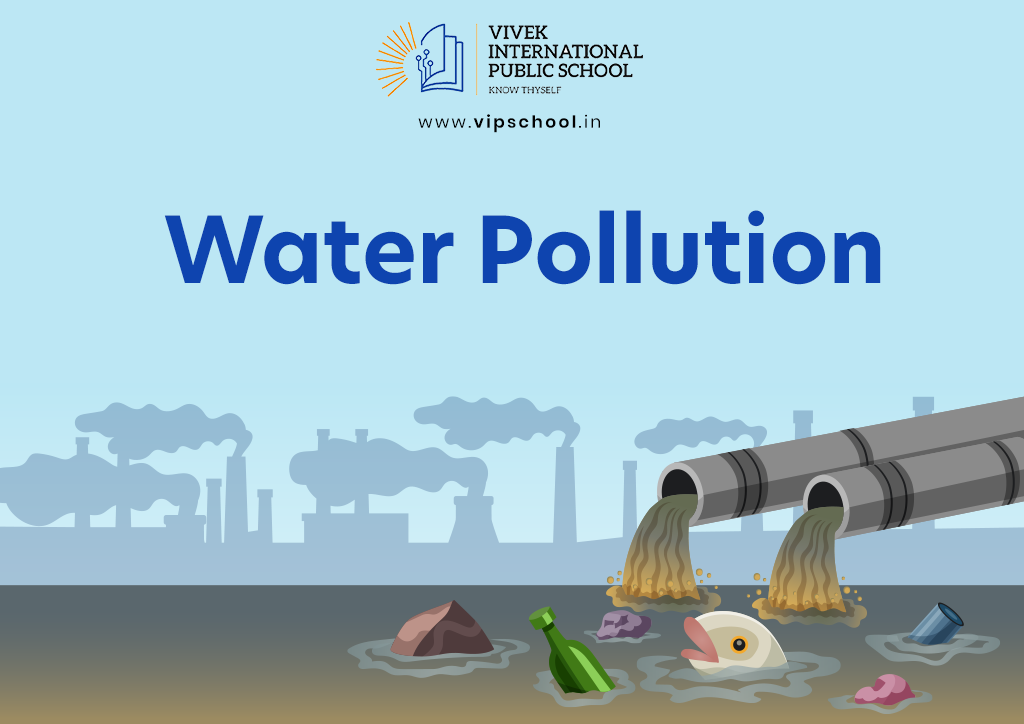
Water Pollution: Causes, Effects, and Solutions
Water pollution is one of the most pressing environmental issues of our time, affecting ecosystems, human health, and the planet’s overall sustainability. Water bodies, such as rivers, lakes, and oceans, are being contaminated by harmful substances that disrupt their natural balance and reduce the quality of water available for consumption, agriculture, and industry.<br /><br />Causes of Water Pollution<br />There are several key factors contributing to water pollution:<br /> 1. Industrial Discharges: Factories and power plants release toxic chemicals, heavy metals, and waste materials into water sources. These pollutants can include substances like mercury, lead, and arsenic, which are harmful to both aquatic life and human health.<br /> 2. Agricultural Runoff: The use of pesticides, fertilizers, and herbicides in farming leads to runoff that carries these chemicals into nearby water bodies. Excess nutrients, particularly nitrogen and phosphorus, cause eutrophication, leading to oxygen depletion and the death of aquatic species.<br /> 3. Wastewater and Sewage: Improperly treated sewage and wastewater from homes, industries, and hospitals introduce pathogens, chemicals, and organic pollutants into water sources. This increases the risk of waterborne diseases like cholera and dysentery.<br /> 4. Oil Spills: Oil spills, especially from shipping accidents and offshore drilling, release large amounts of petroleum into marine ecosystems. This not only harms marine animals but also disrupts the natural food chain.<br /> 5. Plastic Pollution: The accumulation of plastic waste, particularly in oceans, poses a significant threat to aquatic life. Marine animals often mistake plastic for food, leading to ingestion and entanglement, which can be fatal.<br /><br />Effects of Water Pollution<br />The effects of water pollution are far-reaching and severe:<br /> 1. Health Hazards: Polluted water is a major cause of diseases such as diarrhea, cholera, and typhoid, which are spread through contaminated drinking water. Long-term exposure to toxins in polluted water can also cause cancer, neurological disorders, and reproductive issues.<br /> 2. Loss of Biodiversity: Contaminants such as heavy metals, plastic, and chemicals poison aquatic species, leading to a decline in biodiversity. Species that rely on clean water for survival, such as fish, amphibians, and plants, are at risk of extinction.<br /> 3. Disruption of Ecosystems: Pollutants disrupt the delicate balance of ecosystems. For instance, excessive nutrient pollution can lead to algal blooms that deplete oxygen levels in the water, causing “dead zones” where aquatic life cannot survive.<br /> 4. Economic Impact: Water pollution also has a significant economic impact. It affects industries like fishing, tourism, and agriculture. Contaminated water leads to lower fish yields, loss of tourism revenue due to polluted beaches, and reduced crop productivity due to contaminated irrigation water.<br /><br />Solutions to Water Pollution<br />Addressing water pollution requires a multi-faceted approach involving governments, industries, and individuals. Some effective solutions include:<br /> 1. Improved Wastewater Treatment: Ensuring that wastewater is properly treated before being released into water bodies is critical. Advanced filtration and purification technologies can remove harmful contaminants from sewage and industrial effluents.<br /> 2. Sustainable Agriculture: Reducing the use of chemical fertilizers and pesticides and adopting organic farming practices can help prevent runoff from agricultural fields. Implementing buffer zones and proper irrigation methods also reduces the risk of water contamination.<br /> 3. Legislation and Regulation: Governments must enact and enforce stricter environmental regulations to control the discharge of pollutants into water sources. Policies promoting the reduction of plastic waste, such as bans on single-use plastics and improved waste management, are essential.<br /> 4.Public Awareness: Educating the public about the dangers of water pollution and the importance of conserving water is crucial. Communities should be encouraged to reduce plastic consumption, properly dispose of waste, and support clean water initiatives.<br /> 5. Clean-Up Efforts: Efforts like beach cleanups, oil spill response, and the removal of plastic waste from oceans can help mitigate the effects of water pollution. Organizations and volunteers can play an active role in restoring polluted water bodies.<br /><br />Conclusion<br />Water pollution is a complex and urgent issue that requires immediate and sustained action. By addressing its root causes, implementing effective solutions, and promoting global cooperation, we can protect our water resources for future generations. The health of our planet and its inhabitants depends on clean water, making it essential to continue working toward reducing water pollution and preserving this vital resource .<br /><br />The assistant: Noor Ahmed Mustafa