
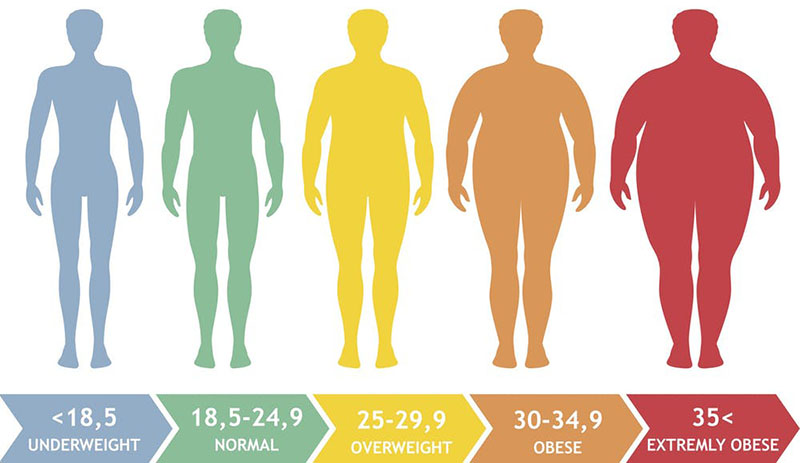
" Obesity " by dr sally moaid allosh
is an excessive accumulation of body fat.<br />It is a complex condition influenced by genetic, environmental, behavioral, and hormonal factors. <br />There is a hormonal interaction that contributes to obesity.<br /><br />These hormones are involved:<br />1. Leptin: The Satiety Hormone which is secreted by adipose (fat) tissue . It regulate appetite and energy expenditure.<br />• Obesity Impact: when there is a high fat store so it increase. There is a condition known as leptin resistance where brain not respond to leptin signals causing increased appetite and reduced energy expenditure.<br /><br />2. Insulin: The Blood Sugar Regulator<br />Insulin, produced by the pancreas, it regulate blood glucose levels by uptake of it into cells.<br />• Obesity Impact: Obesity is strongly associated with insulin resistance, resulting in elevated blood glucose and insulin levels. <br />That can be a risk for type 2 DM and further obesity.<br /><br />3. Ghrelin: The Hunger Hormone<br />Ghrelin, secreted by the stomach, stimulates appetite and promotes fat storage.<br />• Obesity Impact: Obese individuals may experience irregular ghrelin secretion, leading to increased hunger signals and overeating.<br /><br />4. Cortisol: The Stress Hormone<br />Cortisol,secreted by the adrenal glands, in response to stress and helps regulate vital fuctions like inflammation and metabolism.<br />• Obesity Impact: Chronic stress increase cortisol levels, promoting fat deposition, especially in the abdominal region. It causes central obesity.<br /><br />5. Sex Hormones: Estrogen and Testosterone<br />Sex hormones significantly affect fat distribution and energy balance.<br />• Obesity Impact: In women, decreased estrogen levels (e.g., menopause) lead to increased abdominal fat deposition. In men, low testosterone are linked to reduced muscle mass & increased fat accumulation.<br /><br />6. Adiponectin: The Fat-Burning Hormone produced by adipose tissue, enhances insulin sensitivity and promotes fat breakdown.<br />• Obesity Impact: Adiponectin levels are inversely proportional to body fat. Low levels in obesity contribute to metabolic dysfunction and increased risk of cardiovascular disease.<br /><br /><br /><br />It is a Vicious Cycle of Obesity and Hormonal Changes. It is bidirectional and to treat obesity , you should break this cycle by:<br /><br />1. Lifestyle Modifications<br />• Diet: to restore hormonal balanace.<br /> Reducing refined carbohydrates and added sugars may improve insulin sensitivity.<br />• Exercise: Regular physical activity improves insulin sensitivity, lowers cortisol levels, and promotes fat loss. <br /><br />2. Medical Interventions<br />• Medications: Drugs affect insulin resistance or appetite regulation can help.<br /> • Surgery: Bariatric surgery is a highly effective intervention for severe obesity, often resulting in improved hormonal profiles, including increased adiponectin and reduced leptin resistance.<br />3. Stress Management<br />•especially to decrease cortizone. Like relaxation .<br />