
Pediatric Burns in Iraq: A Silent Scourge
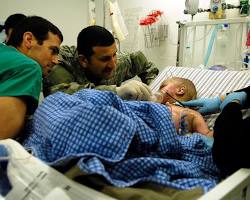
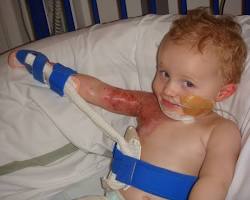
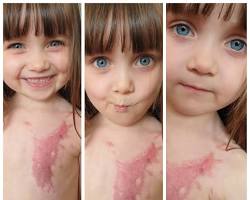
The Hidden Toll of Neglect and Abuse<br />Pediatric burns are a significant public health issue in Iraq, with a substantial number of cases resulting from accidents, neglect, and, tragically, intentional abuse. While the exact figures are difficult to ascertain due to underreporting and a lack of comprehensive data collection, the problem is widespread and often goes unnoticed.<br />Common Causes and Contributing Factors<br />•Accidents: Accidental burns, such as those caused by hot liquids, open flames, or electrical sources, are a major cause of pediatric burn injuries.<br />•Neglect: Inadequate supervision of children, especially in low-income households, can lead to preventable burn accidents.<br />•Abuse: In some cases, burns are inflicted intentionally as a form of child abuse or punishment. This is often a hidden crime, making it difficult to identify and address.<br />The Impact on Children and Families<br />Pediatric burn injuries can have devastating physical and psychological consequences for children and their families. These injuries can lead to:<br />•Physical scarring: Burns can cause significant scarring, which can lead to physical limitations and social stigma.<br />• Pain and discomfort: Burn wounds can be extremely painful, affecting a child's quality of life.<br />• Infection: Burn wounds are susceptible to infection, which can further complicate recovery and increase the risk of mortality.<br />• Psychological trauma: Burn injuries can cause severe psychological trauma, including post-traumatic stress disorder (PTSD), anxiety, and depression.<br />• Financial burden: The treatment of burn injuries can be costly, placing a significant financial burden on families, particularly those in low-income communities.<br />Addressing the Problem<br />To effectively address the issue of pediatric burns in Iraq, a multi-faceted approach is needed:<br />• Prevention: <br />o Education campaigns to raise awareness about burn prevention and safety measures.<br />o Improved product safety standards to reduce the risk of accidents.<br />o Promotion of safe cooking and heating practices.<br />• Early Intervention: <br />o Prompt medical attention for burn victims to minimize tissue damage and reduce the risk of infection.<br />o Access to specialized burn care facilities.<br />• Social Support: <br />o Psychological counseling for children and their families to help them cope with the emotional and psychological impact of burn injuries.<br />o Financial assistance to help families cover the costs of treatment and rehabilitation.<br />• Legal Measures: <br />o Strict enforcement of child protection laws to hold abusers accountable.<br />o Increased awareness among law enforcement and healthcare professionals to identify and report cases of child abuse.<br />By taking these steps, we can work towards reducing the incidence of pediatric burn injuries in Iraq and improving the quality of life for affected children and their families.<br /><br />Dr.Hussein Safaa<br />Plastic Surgeon<br />