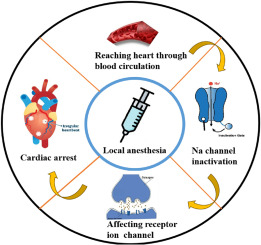
Anesthesia and Heart Failure: A Delicate Balance
Heart failure (HF) presents unique challenges for anesthesiologists due to the delicate balance between myocardial function and systemic hemodynamics. The combination of anesthesia and surgery can exacerbate underlying cardiac dysfunction, leading to potentially serious complications.<br />Preoperative Considerations<br />• Risk Assessment: A thorough preoperative evaluation, including cardiac function assessment (e.g., echocardiogram), is essential to identify patients at high risk.<br />• Optimization of Medical Therapy: Ensuring optimal medical management of HF before surgery, including diuretics, beta-blockers, and ACE inhibitors.<br />• Minimizing Preoperative Stress: Addressing anxiety and pain to reduce myocardial workload.<br />Anesthetic Considerations<br />• Choice of Anesthetic Technique: <br />o Regional Anesthesia: Often preferred due to its potential to maintain hemodynamic stability and reduce myocardial workload.<br />o General Anesthesia: When necessary, carefully selected agents with minimal myocardial depressant effects and vasodilatory properties are used.<br />• Intraoperative Monitoring: <br />o Hemodynamic Monitoring: Close monitoring of blood pressure, heart rate, cardiac output, and central venous pressure.<br />o Electrocardiogram (ECG): Continuous monitoring for arrhythmias.<br />• Fluid Management: <br />o Careful Fluid Administration: Avoiding fluid overload, which can exacerbate pulmonary edema.<br />o Vasopressors: Judicious use of vasopressors to maintain blood pressure, but avoiding excessive vasoconstriction.<br />• Minimizing Myocardial Workload: <br />o Maintaining Adequate Oxygenation: Ensuring optimal oxygen delivery to the heart.<br />o Controlling Heart Rate: Avoiding tachycardia, which increases myocardial oxygen demand.<br />o Gentle Ventilation: Using low tidal volumes and avoiding high airway pressures.<br />Postoperative Management<br />• Pain Control: Effective pain management to minimize stress response and myocardial workload.<br />• Fluid Balance: Careful monitoring and management of fluid balance to prevent fluid overload or hypovolemia.<br />• Early Mobilization: Encouraging early mobilization to improve pulmonary function and prevent venous thromboembolism.<br />• Continued Medical Therapy: Resuming or adjusting medications for HF as needed.<br />Potential Complications<br />• Myocardial Ischemia: Reduced blood flow to the heart muscle.<br />• Arrhythmias: Abnormal heart rhythms.<br />• Acute Heart Failure: Worsening of heart failure symptoms.<br />• Acute Kidney Injury: Reduced kidney function.<br />By carefully considering these factors and implementing appropriate management strategies, anesthesiologists can significantly reduce the risk of complications in patients with heart failure undergoing surgery.<br /><br />م.م نهى نوماس