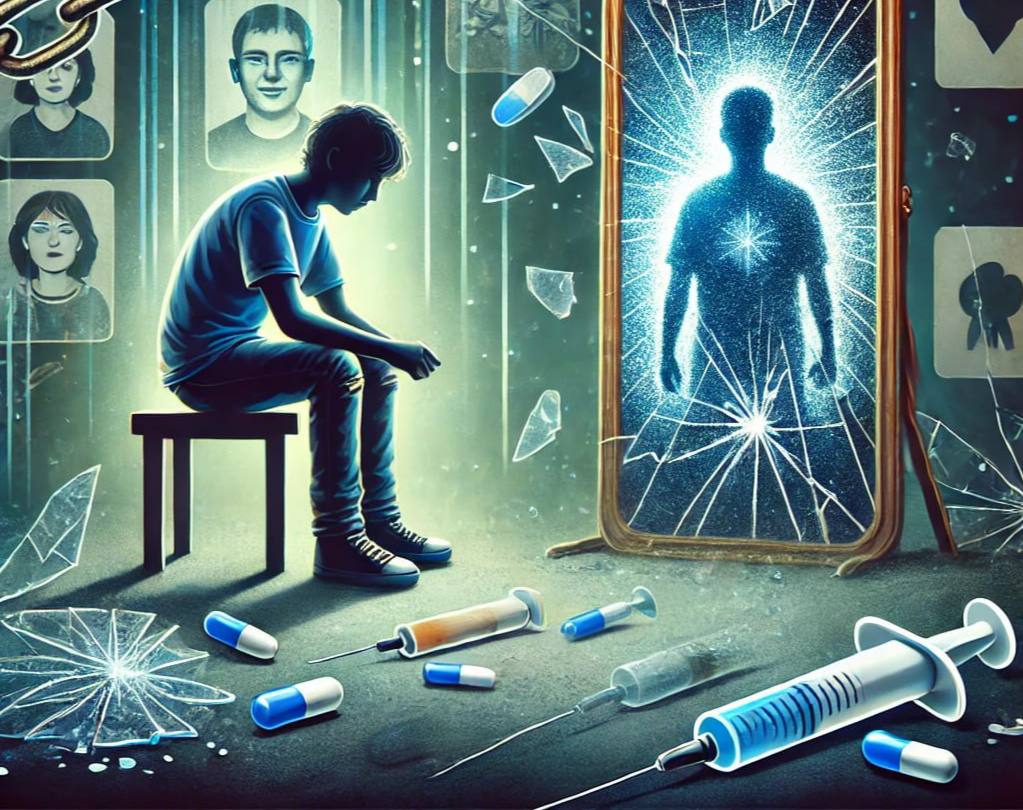
Scientific article on the harms of drugs for student Malik Abdulhamza Hashim.”
Here’s the translation of your text:<br /><br />Introduction<br />Drugs are chemical substances that affect the central nervous system and lead to changes in mood, perception, and behavior. Drugs can be legal, such as prescription medications, or illegal, such as heroin and cocaine. In this article, we will discuss the types of drugs, their effects on the body and mind, reasons for drug use, and possible ways for prevention and treatment.<br /><br />Types of Drugs<br /> 1. Natural Drugs:<br /> • Opium: Extracted from the poppy plant and used in the production of morphine and heroin.<br /> • Cannabis: Extracted from the cannabis plant and includes marijuana and hashish.<br /> 2. Synthetic Drugs:<br /> • Amphetamines: Such as methamphetamine, used to stimulate the central nervous system.<br /> • Synthetic Opioids: Such as fentanyl, used for pain relief but carry a risk of addiction.<br /> 3. Semi-Synthetic Drugs:<br /> • Heroin: Made from morphine and is considered one of the most addictive drugs.<br /><br />Effects of Drugs on the Body and Mind<br /> 1. Physical Effects:<br /> • Central Nervous System: Drugs lead to changes in brain activity, affecting awareness and perception.<br /> • Respiratory System: Drugs can inhibit the respiratory system, leading to difficulty breathing.<br /> • Cardiovascular System: Some drugs increase heart rate and blood pressure, raising the risk of heart attacks.<br /> 2. Psychological Effects:<br /> • Addiction: Drug use leads to addiction, where the individual becomes unable to stop using.<br /> • Mood Swings: Drugs can cause severe mood swings, including depression and anxiety.<br /> • Hallucinations: Some drugs cause visual and auditory hallucinations, affecting sensory perception.<br /><br />Reasons for Drug Use<br /> 1. Social Factors:<br /> • Social Pressure: Pressure from friends or society may lead individuals to try drugs.<br /> • Early Exposure: People exposed to drugs at an early age are more likely to develop an addiction.<br /> 2. Psychological Factors:<br /> • Escape from Reality: Some individuals use drugs to escape from psychological or emotional issues.<br /> • Search for Pleasure: Some seek to experience the euphoria caused by drugs.<br /> 3. Biological Factors:<br /> • Genetics: Genetic factors may increase the risk of addiction.<br /> • Chemical Changes in the Brain: Drugs cause changes in brain chemistry, increasing the desire to use.<br /><br />Prevention and Treatment<br /> 1. Prevention:<br /> • Awareness: Spreading awareness about the dangers and harms of drugs.<br /> • Social Support: Providing a supportive environment for young people to avoid social pressure.<br /> • Legislation: Enforcing strict laws to limit the circulation of illegal drugs.<br /> 2. Treatment:<br /> • Pharmacological Treatment: Using medications to help reduce withdrawal symptoms and cravings.<br /> • Psychological Treatment: Providing psychological support and behavioral therapy to help addicts overcome their addiction.<br /> • Rehabilitation: Rehabilitation programs that offer a safe and supportive environment for addicts to recover.<br /><br />Conclusion<br />Drugs represent a significant challenge for societies worldwide due to their negative effects on individuals and communities. Through awareness, prevention, and treatment, we can reduce the spread of addiction and help addicts recover and return to a healthy and productive life.