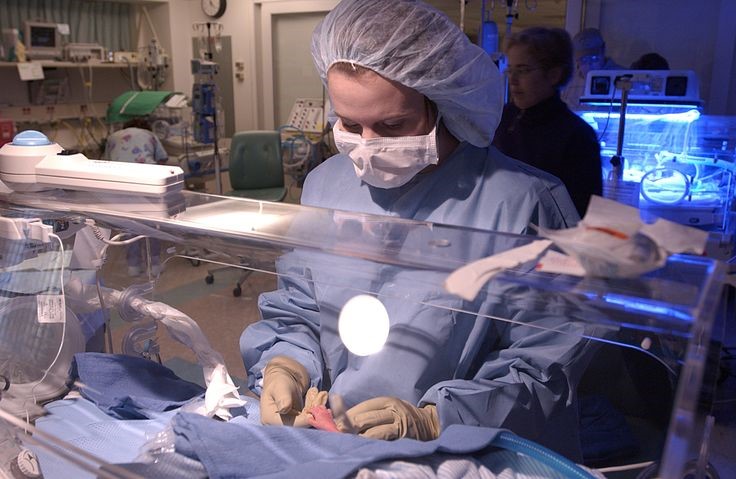
Respiratory Distress Syndrome (RDS) in NICU
Respiratory Distress Syndrome (RDS) is a common condition in premature infants, particularly those born before thirty-seven weeks of gestation. It occurs due to the immature development of the lungs, specifically the lack of a substance called surfactant, which helps keep the air sacs in the lungs open. Without enough surfactant, the lungs can collapse, making it difficult for the baby to breathe.<br />Respiratory Distress Syndrome (RDS) in NICU is common in premature infants. It occurs when a baby's lungs aren't fully developed and lack surfactant, a substance that helps keep the airways open. Babies with RDS may have trouble breathing and require support like oxygen therapy or a ventilator. Treatment often includes surfactant replacement therapy and supportive care in the NICU<br />In a NICU, you'll find equipment like incubators to maintain the baby's temperature, ventilators to assist with breathing, and monitors for heart rate, breathing, and oxygen levels. There are also IV lines for nutrition and medications, and phototherapy lights for treating jaundice<br />In the NICU, infants with RDS receive specialized care to manage their breathing and oxygen levels. Treatment typically includes:<br />1. Surfactant Replacement Therapy: Administering artificial surfactant to help the infant's lungs function more effectively.<br />2. Respiratory Support: This can include mechanical ventilation, Continuous Positive Airway Pressure (CPAP), or oxygen therapy to assist with breathing.<br />3. Monitoring and Supportive Care: Close monitoring of vital signs, blood gases, and ensuring proper nutrition and hydration<br />Mechanical ventilation helps by providing the baby with the necessary oxygen and maintaining proper lung function. It delivers breaths to the baby, ensuring their lungs can expand and exchange oxygen and carbon dioxide effectively. This support is crucial for infants with RDS, as it allows their underdeveloped lungs to rest and heal while they mature.<br />Senior Anesthesia Technologist<br />BCS. Anesthesia. and IC<br />diploma. Community health<br />Karrar Nader AL-Taie<br />