A Scientific Article By Saja.Fadil.Abbas Entitled: Cancer: An In-Depth Overview of Its Types, Causes, Diagnosis, Treatment, and Prevention
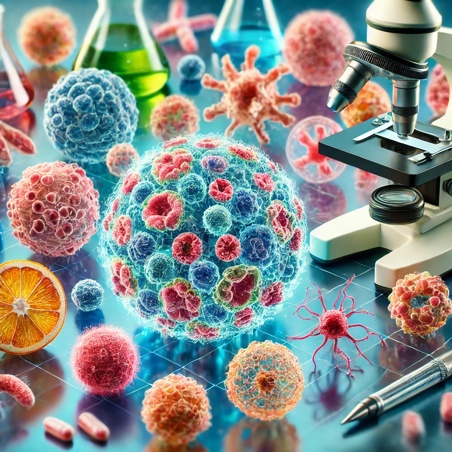
<br /><br />Cancer: An In-Depth Overview of Its Types, Causes, Diagnosis, Treatment, and Prevention<br /><br />Cancer is not just one disease, but rather a complex group of diseases characterized by the uncontrolled division of abnormal cells. These cells can grow into masses called tumors, invade surrounding tissues, and spread to other parts of the body. Cancer is one of the leading causes of death worldwide, and millions are diagnosed every year. However, research and medical advancements continue to improve early detection, treatment options, and survival rates. This article provides an overview of cancer, its various types, causes, early detection, treatment strategies, and how lifestyle changes can reduce the risk of this formidable disease.<br /><br />Types of Cancer<br /><br />Cancer can occur in almost any part of the body, and it is categorized based on the origin of the cancerous cells. There are more than 100 distinct types of cancer, and they are typically grouped by the organ or type of tissue where they start. The five main categories include:<br /> 1. Carcinomas: These cancers start in epithelial cells, which line the internal organs and skin. Carcinomas are the most common types of cancer and include:<br /> • Lung Cancer: Primarily caused by smoking and environmental pollutants.<br /> • Breast Cancer: A leading cause of cancer in women.<br /> • Prostate Cancer: A major cancer in men, usually affecting older individuals.<br /> • Colon and Rectal Cancer: Often linked to dietary habits and lifestyle factors.<br /> 2. Sarcomas: These arise from connective tissues such as bones, cartilage, fat, and muscle. Sarcomas are rarer and are often more aggressive than carcinomas. Examples include:<br /> • Osteosarcoma: Cancer of the bone.<br /> • Lipoma: A benign tumor of fatty tissue, but aggressive cases can lead to sarcoma.<br /> 3. Leukemias: Cancer of the blood cells, leukemia affects the bone marrow, leading to the overproduction of abnormal white blood cells. Leukemia includes:<br /> • Acute Lymphocytic Leukemia (ALL): Common in children.<br /> • Chronic Myeloid Leukemia (CML): Primarily affects adults.<br /> 4. Lymphomas: These are cancers of the lymphatic system, which is an essential part of the immune system. The two main types are:<br /> • Hodgkin’s Lymphoma: Typically affects young adults and is more treatable with early diagnosis.<br /> • Non-Hodgkin’s Lymphoma: A more diverse group of cancers that can occur in various parts of the body.<br /> 5. Central Nervous System Cancers: These cancers begin in the brain or spinal cord. Gliomas and meningiomas are among the most common forms and can affect cognition, mobility, and quality of life.<br /><br />Causes and Risk Factors<br /><br />Although the exact causes of cancer remain unclear in some cases, scientists have identified several risk factors that increase the likelihood of developing the disease. These include:<br /> 1. Genetic Factors: Inherited mutations, such as those in the BRCA1 and BRCA2 genes, significantly increase the risk of breast, ovarian, and prostate cancers. Genetic testing can help determine predispositions.<br /> 2. Lifestyle Choices:<br /> • Tobacco Use: Smoking is the primary cause of lung cancer and contributes to many other types, including throat, mouth, and pancreatic cancer.<br /> • Diet and Obesity: A diet high in processed foods, red meat, and low in fruits and vegetables, as well as excessive alcohol consumption, can increase cancer risk. Obesity is particularly associated with colorectal, breast, and liver cancers.<br /> • Physical Activity: A sedentary lifestyle can contribute to cancer development, so regular exercise plays a protective role.<br /> 3. Environmental and Occupational Exposures: Exposure to chemicals, radiation, and environmental toxins can increase cancer risk. For example:<br /> • Asbestos: Linked to mesothelioma, a rare but aggressive cancer of the lungs.<br /> • Ultraviolet (UV) Radiation: Prolonged sun exposure without protection increases the risk of skin cancer, including melanoma.<br /> 4. Age and Gender: Cancer risk increases with age. Some types, such as prostate and testicular cancer, are more common in men, while others, like breast and ovarian cancer, predominantly affect women.<br /> 5. Infections: Some viruses and bacteria can contribute to cancer development. Examples include:<br /> • Human Papillomavirus (HPV): Causes cervical, anal, and oropharyngeal cancers.<br /> • Epstein-Barr Virus (EBV): Linked to Burkitt’s lymphoma and nasopharyngeal carcinoma.<br /><br />Early Detection and Diagnosis<br /><br />Early detection is critical for increasing the chances of successful treatment. Many cancers don’t show symptoms until they are more advanced, which is why regular screenings and preventive care are essential.<br /> 1. Imaging Tests: These include X-rays, CT scans, MRIs, and PET scans, which help identify abnormal growths or tumors.<br /> 2. Biopsy: A biopsy involves taking a tissue sample from the tumor to analyze it for cancerous cells. This is one of the most reliable methods for diagnosing cancer.<br /> 3. Blood Tests: Certain cancers can be detected through specific markers in the blood, such as the PSA test for prostate cancer or CA-125 for ovarian cancer.<br /> 4. Genetic Testing: Genetic screening can identify mutations that increase the risk of hereditary cancers, enabling early intervention and personalized treatment.<br /><br /><br />Treatment Options<br /><br />Treatment for cancer depends on the type, stage, and location of the disease, as well as the patient’s overall health. The most common treatment options include:<br /> 1. Surgery: Often used to remove localized tumors or cancerous tissue, surgery is effective for cancers detected early. However, it may be combined with other treatments if cancer has spread.<br /> 2. Chemotherapy: A powerful treatment that uses drugs to kill or slow the growth of cancer cells. It is often used to treat cancers that have spread beyond their original site.<br /> 3. Radiation Therapy: Utilizes high-energy radiation to destroy cancer cells. It is commonly used in localized cancers or to shrink tumors before surgery.<br /> 4. Immunotherapy: A groundbreaking treatment that strengthens the body’s immune system to fight cancer. It has shown promising results in cancers like melanoma, lung cancer, and leukemia.<br /> 5. Targeted Therapy: This treatment targets specific molecules responsible for cancer cell growth and survival, offering a more precise approach with fewer side effects than traditional chemotherapy.<br /> 6. Hormone Therapy: Used for cancers that are hormone-sensitive, such as breast and prostate cancer, hormone therapy blocks or alters hormone production to stop cancer growth.<br /> 7. Stem Cell Transplantation: Used for blood cancers like leukemia, a stem cell transplant replaces damaged bone marrow with healthy stem cells, helping the body produce new blood cells.<br /><br />Prevention and Lifestyle Changes<br /><br />While some cancers cannot be prevented, certain lifestyle changes can significantly reduce the risk of developing the disease:<br /> 1. Healthy Diet: A diet rich in fiber, antioxidants, and healthy fats can lower cancer risk. Limiting processed foods, sugars, and unhealthy fats is also recommended.<br /> 2. Exercise: Regular physical activity not only helps maintain a healthy weight but also reduces the risk of several cancers, including breast and colorectal cancers.<br /> 3. Avoid Smoking and Alcohol: Quitting smoking and limiting alcohol consumption are two of the most effective ways to reduce the risk of developing cancer.<br /> 4. Sun Protection: Wearing sunscreen and protective clothing, as well as avoiding tanning beds, can prevent skin cancer.<br /> 5. Vaccination: Vaccines such as the HPV vaccine can prevent certain types of cancer, including cervical cancer, and the hepatitis B vaccine can reduce liver cancer risk.<br /><br />Conclusion<br /><br />Cancer remains a major global health challenge, but advancements in research, early detection, and treatment offer hope for many patients. While some risk factors, such as genetics, cannot be changed, lifestyle modifications and preventive measures can significantly reduce the risk of cancer. With continued research, the future of cancer treatment looks promising, and the goal of finding a cure is becoming increasingly achievable.<br /><br />Sources:<br /> 1. American Cancer Society. (2023). “What is Cancer?” Retrieved from https://www.cancer.org<br /> 2. National Cancer Institute. (2023). “Cancer Types.” Retrieved from https://www.cancer.gov<br /> 3. World Health Organization (WHO). (2023). “Cancer.” Retrieved from https://www.who.int<br /> 4. Mayo Clinic. (2023). “Cancer Causes and Risk Factors.” Retrieved from https://www.mayoclinic.org<br /> 5. National Institute of Cancer Research (NCI), Japan. (2023). “Cancer Statistics.” Retrieved from https://www.ncc.go.jp<br /> 6. Cancer Research UK. (2023). “Cancer Statistics.” Retrieved from https://www.cancerresearchuk.org<br /><br /><br /><br />