What is vitamin D deficiency?
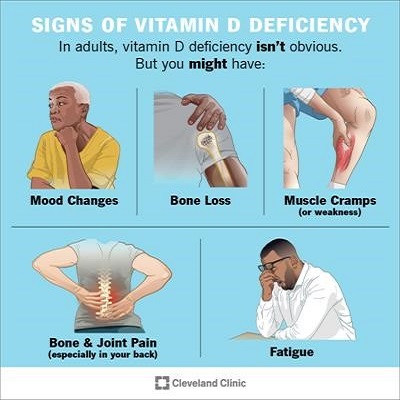
Vitamin D deficiency means you don’t have enough vitamin D in your body. It primarily causes issues with your bones and muscles.<br />Vitamin D is an essential vitamin that your body uses for normal bone development and maintenance. Vitamin D also plays a role in your nervous ystem, musculoskeletal system and immune system.<br />You can get vitamin D in a variety of ways, including:<br />• Sun exposure on your skin (however, people with darker skin and older people may not get enough vitamin D through sunlight. Your geographical location may also prevent adequate vitamin D exposure through sunlight).<br />• Through the food you eat.<br />• Through nutritional supplements.<br />Despite all these methods to get vitamin D, vitamin D deficiency is a common worldwide problem.<br />Why is vitamin D so important?<br />Vitamin D is one of many vitamins your body needs to stay healthy. It plays a crucial role in maintaining the balance of calcium in your blood and bones and in building and maintaining bones.<br />More specifically, you need vitamin D so your body can use calcium and phosphorus to build bones and support healthy tissues.<br />With chronic and/or severe vitamin D deficiency, a decline in calcium and phosphorus absorption by your intestines leads to hypocalcemia (low calcium levels in your blood). This leads to secondary hyperparathyroidism (overactive parathyroid glands attempting to keep blood calcium levels normal).<br />Both hypocalcemia and hyperparathyroidism, if severe, can cause symptoms, including muscle weakness and cramps, fatigue and depression.<br />To try to balance calcium levels in your blood (via secondary hyperparathyroidism), your body takes calcium from your bones, which leads to accelerated bone demineralization (when a bone breaks down faster than it can reform).<br />This can further result in osteomalacia (soft bones) in adults and rickets in children.<br />Osteomalacia and osteoporosis put you at an increased risk for bone fractures. Rickets is the same as osteomalacia, but it only affects children. Since a child’s bones are still growing, demineralization causes bowed or bent bones.<br /><br /><br /><br />Who does vitamin D deficiency affect?<br />Anyone can have vitamin D deficiency, including infants, children and adults.<br />Vitamin D deficiency may be more common in people with higher skin melanin content (darker skin) and who wear clothing with extensive skin coverage, particularly in Middle Eastern countries.<br />How common is vitamin D deficiency?<br />Vitamin D deficiency is a common global issue. About 1 billion people worldwide have vitamin D deficiency, while 50% of the population has vitamin D insufficiency.<br />Approximately 35% of adults in the United States have vitamin D deficiency.<br />Symptoms and Causes<br /> <br />What are the signs and symptoms of vitamin D deficiency?<br />Severe lack of vitamin D in children causes rickets. Symptoms of rickets include:<br />• Incorrect growth patterns due to bowed or bent bones.<br />• Muscle weakness.<br />• Bone pain.<br />• Deformities in joints.<br />This is very rare. Children with a mild vitamin deficiency may just have weak, sore and/or painful muscles.<br />Lack of vitamin D isn’t quite as obvious in adults. Signs and symptoms might include:<br />• Fatigue.<br />• Bone pain.<br />• Muscle weakness, muscle aches or muscle cramps.<br />• Mood changes, like depression.<br />However, you may have no signs or symptoms of vitamin D deficiency.<br />What causes vitamin D deficiency?<br />In general, the two main causes of vitamin D deficiency are:<br />• Not getting enough vitamin D in your diet and/or through sunlight.<br />• Your body isn’t properly absorbing or using vitamin D.<br />There are several specific causes of vitamin D deficiency, including:<br />• Certain medical conditions.<br />• Weight loss-surgeries.<br />• Certain medications.<br />Several different biological and environmental factors can also put you at a greater risk of developing vitamin D deficiency, such as older age and the amount of melanin (pigment) in your skin.<br />Medical conditions that can cause vitamin D deficiency<br />Medical conditions that can cause vitamin D deficiency include:<br />• Cystic fibrosis, Crohn's disease and celiac disease: These conditions can prevent your intestines from adequately absorbing enough vitamin D through supplements, especially if the condition is untreated.<br />• Obesity: A body mass index greater than 30 is associated with lower vitamin D levels. Fat cells keep vitamin D isolated so that it’s not released. Obesity often requires taking larger doses of vitamin D supplements to reach and maintain normal levels.<br />• Kidney disease and liver disease: These conditions reduce the amount of certain enzymes (hepatic enzyme 25–hydroxylase from your liver and 1-alpha-hydroxylase from your kidneys) your body needs to change vitamin D to a form it can use. A lack of either of these enzymes leads to an inadequate level of active vitamin D in your body.<br />Medications that can cause vitamin D deficiency<br />Certain medications can lower vitamin D levels, including:<br />• Laxatives.<br />• Steroids (such as prednisone).<br />• Cholesterol-lowering drugs (such as cholestyramine and colestipol).<br />• Seizure-preventing drugs (such as phenobarbital and phenytoin).<br />• Rifampin (a tuberculosis drug).<br />• Orlistat (a weight-loss drug).<br />Always tell your healthcare provider about your medications and any supplements and/or herbs you take.<br />Diagnosis and Tests<br />How is vitamin D deficiency diagnosed?<br />Healthcare providers don’t usually order routine checks of vitamin D levels, but they might need to check your levels if you have certain medical conditions or risk factors for vitamin D deficiency and/or have symptoms of it.<br />Your provider can order a blood test to measure your levels of vitamin D. The most common is the 25-hydroxyvitamin D, known as 25(OH)D for short.<br />Advertisement<br />Management and Treatment<br />How is vitamin D deficiency treated?<br />The goals of treatment and prevention for vitamin D deficiency are the same: to reach and then maintain an adequate vitamin D level in your body.<br />While you might consider eating more foods containing vitamin D and getting more sunlight, your healthcare provider will likely recommend taking vitamin D supplements.<br />Vitamin D comes in two forms: D2 and D3. D2 (ergocalciferol) comes from plants. D3 (cholecalciferol) comes from animals. You need a prescription to get D2. D3, however, is available over the counter. Your body more easily absorbs D3 than D2.<br />Work with your healthcare provider to find out if you need a vitamin supplement and how much to take, if needed.<br />Prevention<br />Who is most at risk for vitamin D deficiency?<br />Aside from medical conditions that can lead to vitamin D deficiency, biological and environmental factors that put someone at an increased risk of vitamin D deficiency include:<br />• Age: Your skin's ability to make vitamin D decreases with age, so people over the age of 65 years are especially at risk for vitamin D deficiency. Infants are also at risk of not receiving enough vitamin D. This is especially true for infants who are only fed breast milk, as it contains only a small amount of vitamin D.<br />• Skin color: It’s more difficult for dark-colored skin to make vitamin D from sunlight than light-colored skin, so people with darker skin are at a higher risk for vitamin D deficiency.<br />• Mobility: People who are homebound or rarely go outside (for example, people in nursing homes and other facilities) aren’t able to use sun exposure as a source of vitamin D. Thus, they’re at a higher risk for vitamin D deficiency.<br />Advertisement<br />How can I prevent vitamin D deficiency?<br />The best way to prevent vitamin D deficiency is to ensure you’re getting enough vitamin D in your diet and/or through sun exposure. But be careful about being in the sun for too long without sunscreen. Excessive sun exposure puts you at an increased risk for skin cancer.<br />The amount of vitamin D you need each day depends on your age. The average daily recommended amounts are listed below in micrograms (mcg) and International Units (IU).<br />Age / Life Stage Recommended Amount<br />Infants up to 12 months old 10 mcg (400 IU)<br />People 1 to 70 years old 15 mcg (600 IU)<br />Adults 71 years and older 20 mcg (800 IU)<br />Pregnant and breastfeeding people 15 mcg (600 IU)<br />There are a few foods that naturally have some vitamin D, including:<br />• Fatty fish such as salmon, tuna and mackerel and sardines.<br />• Rainbow trout.<br />• Beef (cow) liver.<br />• Mushrooms.<br />• Egg yolks.<br />• Cod liver oil.<br />You can also get vitamin D from fortified foods. Be sure to check the nutrition labels to find out if a food has vitamin D. Foods that often have added vitamin D include:<br />• Cow’s milk and soy, almond and oat milk.<br />• Breakfast cereals.<br />• Orange juice.<br />• Other dairy products, such as yogurt.<br />Vitamin D is in many multivitamins. There are also vitamin D supplements.<br />Talk to your healthcare provider if you’re concerned about getting enough vitamin D.<br />د. رؤى نشأت الصفار