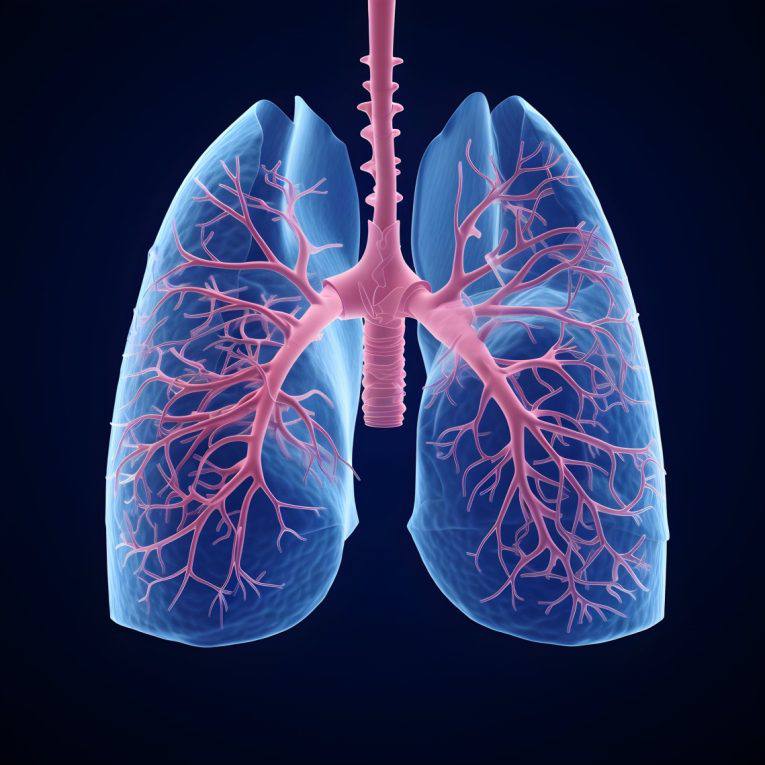
A Scientific Article By Abdulhassan Sauad Jabbar Entitled: Chronic Lower Respiratory Tract Bacterial Infections and Their Possible Association with Lung Cancer
Chronic Lower Respiratory Tract Bacterial Infections and Their Possible Association with Lung Cancer<br />Abdulhassan Sauad Jabbar<br />1Medical Laboratories Department, College of Health and Medical Techniques, Al-Mustaqbal University<br /><br /> Pathogenic bacteria, including Streptococcus pneumoniae, Haemophilus influenzae, and Pseudomonas aeruginosa, are frequently responsible for chronic lower respiratory tract (LRT) infections, including pneumonia and bronchitis. Antibiotics are commonly used to treat these infections, but if they persist or reoccur, they can cause serious side effects, including tissue damage, inflammation, and compromised lung function.<br /> According to recent research, bacterial infections that produce persistent lung inflammation may contribute to the development of lung cancer. Persistent inflammatory reactions that harm cells, raise oxidative stress, and encourage the release of pro-inflammatory cytokines are the suggested mechanisms. This ongoing inflammatory condition has the potential to produce a milieu that is favorable to DNA mutations, unchecked cell division, and malignant transformation over time.<br /> The activation of nuclear factor-kappa B (NF-κB), a protein complex that regulates DNA transcription and is essential for immunological responses, is one of the main routes linked to this process. Both bacterial infections and chronic inflammation are known to activate NF-κB, and its ongoing activation can promote angiogenesis, cell survival, and apoptosis evasion, all of which can lead to cancer. Toxins and metabolites produced by bacteria can also directly damage DNA or interfere with regular cellular signaling pathways, which raises the risk of cancer.<br /> Epidemiological research has demonstrated a correlation between a higher prevalence of lung cancer and chronic obstructive pulmonary disease (COPD), which is frequently brought on by recurring bacterial infections. Although smoking is still the biggest risk factor for lung cancer, there is a strong biological connection between the two diseases due to the compounding effects of bacterial infections on immune system dysregulation and chronic inflammation.<br /> To completely comprehend the way in which bacterial infections raise the risk of lung cancer, more studies must be done. However, a crucial tactic in lowering this risk may be early intervention in the treatment of persistent infections and inflammation of the lungs. Resources must be directed to cancer prevention programs that focus on infection, especially in high-risk populations, as cancer prevention is primarily thought of in terms of non-communicable diseases. The rising cancer burden and related mortality can be significantly decreased with such measures.<br /><br /><br /> <br />Figure 1: There is intricate interaction between the lung microbiota, pulmonary immune system, and lung cancer microenvironment. Changes in microbial diversity, inflammation, and perhaps the onset and spread of cancer are driven by communication mediated by metabolites, microbial associated molecular patterns (MAMPs), pattern recognition receptors (PRRs), inflammatory mediators, growth factors, and nutritional availability. Cancer therapies such as chemotherapy, radiation, and immunotherapy further disrupt the balance of these interactions (Huynh et al., 2023).<br /><br />References:<br />1. de Martel, C., Georges, D., Bray, F., Ferlay, J., & Clifford, G. M. (2020). Global burden of cancer attributable to infections in 2018: a worldwide incidence analysis. The Lancet global health, 8(2), e180-e190.<br />2. Engels, E. A. (2008). Inflammation in the development of lung cancer: epidemiological evidence. Expert review of anticancer therapy, 8(4), 605-615.<br />3. Roussos, A., Koursarakos, P., Patsopoulos, D., Gerogianni, I., & Philippou, N. (2003). Increased levels of oxidative stress and evidence of chronic inflammation in smokers with cancer. Respiratory Medicine, 97(8), 909-914. doi:10.1016/S0954-6111(03)00115-9<br />4. Gomes, M., Teixeira, A. L., Coelho, A., Araujo, A., & Medeiros, R. (2014). The role of inflammation in lung cancer. Inflammation and cancer, 1-23.<br />5. Huynh, M., Crane, M. J., & Jamieson, A. M. (2023). The lung, the niche, and the microbe: Exploring the lung microbiome in cancer and immunity. Frontiers in Immunology, 13, 1094110.<br /><br />