A scientific article by the lecturer (M.M. Zahraa Jawad Kazim) entitled "Biological treatment of wastewater"
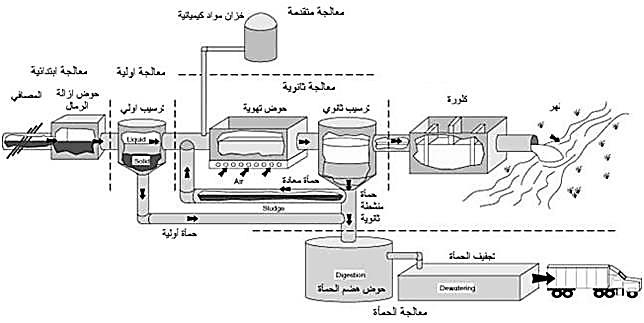
Sewage is one of the types of polluted water resulting from various human activities and their multiple uses of water for many purposes. Sewage carries many pollutants resulting from human activities.<br />Proper and effective treatment of sewage is one of the most important means and methods of protecting the aquatic and terrestrial environment from pollution, as correct scientific treatment provides safe and proper disposal of this water and its safe recycling within the ecosystem, achieving human safety and preserving its environment and health.<br />Sewage is generally subject to the following main treatment stages:<br />1. Primary treatment stage.<br />2. Secondary treatment stage (biological)<br />3. Sterilization.<br />4. Sludge treatment.<br />Biological treatment of sewage is one of the most important treatment stages that must be applied to water in the station. This treatment aims to oxidize the various organic materials present in sewage and convert them into stable compounds that can be separated from the water and treated separately, thus obtaining water that is practically free of organic pollution. The presence of oxygen and bacteria are the two most important elements required for the success of biological treatment, in addition to other conditions such as temperature and the presence of some auxiliary nutrients. Common methods of biological treatment include:<br />1. Biological filters<br />2. Rotating biological discs<br />3. Activated sludge<br />4. Extended aeration<br />5. Oxidation ponds<br />Activated sludge treatment is one of the most common methods at present due to its high treatment efficiency and is called by this name because part of the sludge deposited in the secondary sedimentation basins is returned to the aeration basin.<br /><br />Components of an activated sludge treatment plant:<br />1- Filters: Large suspended or floating materials on the surface of the water are retained in them. They are channels equipped with manual or mechanical filters.<br />2- Sand removal basins: In which sand and suspended inorganic materials with a diameter of 0.2 mm or more and a specific gravity of 2.65 or more are deposited and consist of channels equipped with space for sand collection.<br />3- Primary sedimentation basins: In which the largest amount of suspended or sedimentable organic and inorganic materials in wastewater are deposited in addition to disposing of floatable materials.<br />4- Aeration basins: This represents the biological treatment stage and the purpose of this stage is to convert dissolved organic materials into suspended materials that can be settled, by activating aerobic bacteria and microorganisms after providing them with the necessary oxygen by stirring using rotating brushes that continuously stir the water.<br />5- Final sedimentation basins: In which the suspended solids that are formed in the aeration channels are deposited and are traditional activated sludge.<br />6- Chlorine contact tanks: Free chlorine is added to the wastewater after treatment directly before final disposal into the drain to get rid of bacteria and living organisms present in the treated water after the final sedimentation tanks. The diagram below shows the treatment stages.