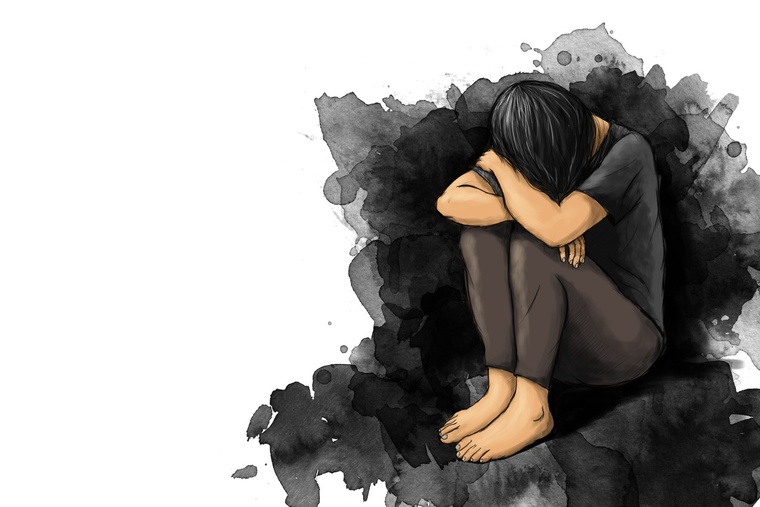
Depression
Depression<br />Depression is a mood disorder that causes a persistent feeling of sadness and loss of interest. Also called major depressive disorder or clinical depression, it affects how you feel, think and behave and can lead to a variety of emotional and physical problems. You may have trouble doing normal day-to-day activities, and sometimes you may feel as if life isn't worth living.<br />More than just a bout of the blues, depression isn't a weakness and you can't simply "snap out" of it. Depression may require long-term treatment. But don't get discouraged. Most people with depression feel better with medication, psychotherapy or both.<br />Symptoms<br />• Feelings of sadness, tearfulness, emptiness or hopelessness<br />• Angry outbursts, irritability or frustration, even over small matters<br />• Loss of interest or pleasure in most or all normal activities, such as sex, hobbies or sports<br />• Sleep disturbances, including insomnia or sleeping too much<br />• Tiredness and lack of energy, so even small tasks take extra effort<br />• Reduced appetite and weight loss or increased cravings for food and weight gain<br />• Anxiety, agitation or restlessness<br />• Slowed thinking, speaking or body movements<br />• Feelings of worthlessness or guilt, fixating on past failures or self-blame<br />• Trouble thinking, concentrating, making decisions and remembering things<br />• Frequent or recurrent thoughts of death, suicidal thoughts, suicide attempts or suicide<br />• Unexplained physical problems, such as back pain or headaches<br /><br />Depression symptoms in children and teens<br />• In younger children, symptoms of depression may include sadness, irritability, clinginess, worry, aches and pains, refusing to go to school, or being underweight.<br />• In teens, symptoms may include sadness, irritability, feeling negative and worthless, anger, poor performance or poor attendance at school, feeling misunderstood and extremely sensitive, using recreational drugs or alcohol, eating or sleeping too much, self-harm, loss of interest in normal activities, and avoidance of social interaction.<br />Depression symptoms in older adults<br />• Memory difficulties or personality changes<br />• Physical aches or pain<br />• Fatigue, loss of appetite, sleep problems or loss of interest in sex — not caused by a medical condition or medication<br />• Often wanting to stay at home, rather than going out to socialize or doing new things<br />• Suicidal thinking or feelings, especially in older men<br />Causes<br />It's not known exactly what causes depression. As with many mental disorders, a variety of factors may be involved, such as:<br />• Biological differences. <br />• Brain chemistry <br />• HormonesInherited traits. <br /><br /><br /><br /> Risk factors<br />• Certain personality traits, such as low self-esteem and being too dependent, self-critical or pessimistic<br />• Traumatic or stressful events, such as physical or sexual abuse, the death or loss of a loved one, a difficult relationship, or financial problems<br />• Blood relatives with a history of depression, bipolar disorder, alcoholism or suicide<br />• Being lesbian, gay, bisexual or transgender, or having variations in the development of genital organs that aren't clearly male or female (intersex) in an unsupportive situation<br />• History of other mental health disorders, such as anxiety disorder, eating disorders or post-traumatic stress disorder<br />• Abuse of alcohol or recreational drugs<br />• Serious or chronic illness, including cancer, stroke, chronic pain or heart disease<br />• Certain medications, such as some high blood pressure medications or sleeping pills (talk to your doctor before stopping any medication)<br />Complications<br />• Excess weight or obesity, which can lead to heart disease and diabetes<br />• Pain or physical illness<br />• Alcohol or drug misuse<br />• Anxiety, panic disorder or social phobia<br />• Family conflicts, relationship difficulties, and work or school problems<br />• Social isolation<br />• Suicidal feelings, suicide attempts or suicide<br />• Self-mutilation, such as cutting<br />• Premature death from medical conditions<br />Prevention<br />There's no sure way to prevent depression. However, these strategies may help.<br />• Take steps to control stress, to increase your resilience and boost your self-esteem.<br />• Reach out to family and friends, especially in times of crisis, to help you weather rough spells.<br />• Get treatment at the earliest sign of a problem to help prevent depression from worsening.<br />• Consider getting long-term maintenance treatment to help prevent a relapse of symptoms.<br /><br /><br />د. فرقد صالح