
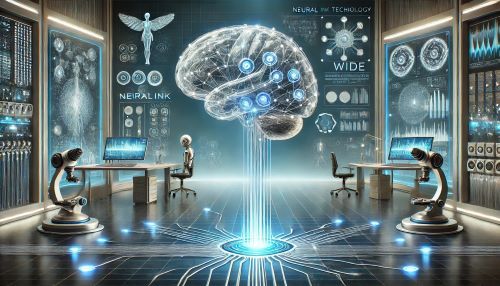
Neuralink Project: Integrating the Human Brain with Advanced Technology
Neuralink is one of the most prominent technological innovations aimed at merging the human brain with advanced technology. Founded by Elon Musk in 2016, the project focuses on developing brain-computer interfaces (BCI) that are implanted directly into the brain to enable instant communication between the brain and digital devices. The project is built on the concept of reading neural signals and transmitting them to computers using precise electronic chips, opening up vast opportunities to enhance human capabilities and treat neurological disorders.<br /><br />Neuralink aims to assist patients suffering from neurological diseases such as paralysis, Alzheimer’s, and epilepsy by restoring lost brain functions. This technology can improve control over prosthetic limbs or enable speech and movement for individuals who have lost these abilities. Additionally, the project aspires to improve human memory, accelerate learning, and enhance overall mental performance, making the brain more efficient.<br /><br />The Neuralink technology relies on a small chip known as the "Link," surgically implanted in the brain using a precise robotic system. This chip captures neural signals, analyzes them with artificial intelligence, and then transmits them to connected devices. The procedure is designed to be safe, painless, and minimally invasive, reducing potential side effects on brain tissue.<br /><br />Despite the project’s ambitions, Neuralink faces significant challenges. Among the most notable are medical risks associated with implanting devices in the brain, such as infections or tissue damage. Additionally, ethical debates arise regarding the boundaries of using technology to enhance human abilities, particularly if these technologies create a social divide between those who can afford them and those who cannot. Moreover, the high cost and lack of readiness for widespread commercial use are two major obstacles.<br /><br />If the project succeeds in overcoming these challenges, it could revolutionize medicine and technology. It may become possible to treat complex neurological disorders, enhance education by directly uploading information to the brain, and enable humans to interact more effectively with artificial intelligence. Furthermore, the ability to improve memory and mental performance could empower humanity to face future challenges more effectively.<br /><br />Neuralink is not merely a scientific dream but a step toward a future where the human brain integrates with machines to achieve unlimited possibilities. While the journey remains long and fraught with challenges, the ambition and innovation driving this project make it one of the most exciting undertakings in human history.