Robotic-assisted surgeryRobotic-assisted surgery
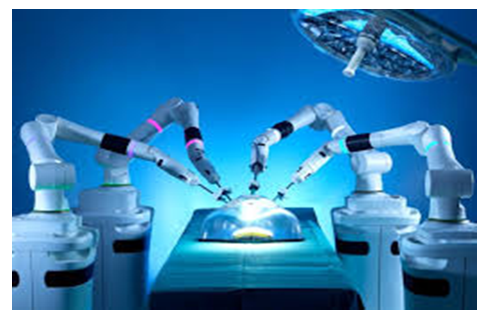
Introduction:<br />In recent years, the field of surgery has witnessed a major transformation thanks to the introduction of modern technology, specifically surgical robots, which have brought about a technological revolution in the world of medicine. Through robots, surgeons are able to perform complex surgeries using remotely controlled tools, which reduces risks and improves the results of operations.<br />What are surgical robots?<br /> Surgical robots are advanced medical systems used to perform surgical operations, where they are controlled by the surgeon via a remote control unit. These systems consist of surgical tools integrated into a robotic arm, in addition to high-resolution cameras and screens to display images in three dimensions, which helps surgeons see the fine details of organs and tissues during the operation.<br />The development of surgical robots-:<br />Although the use of robots in surgery began in the late twentieth century, this technology has witnessed remarkable progress in recent years as surgical robots have evolved from simple assistant tools to integrated systems such as the "Da Vinci", which allowed surgeons to perform precise and complex operations using remote control.<br />The importance of surgical robots: -<br /> The importance of surgical robots lies in improving the accuracy of surgical operations and reducing the risks associated with them. They provide precise control of surgical tools, which contributes to reducing the size of wounds and shortening the recovery period. They also allow surgeons to perform complex operations using three-dimensional vision and precise movements, which improves the results of operations and enhances patient safety.<br />Challenges and Criticisms: <br />Surgical robots face several challenges and criticisms, most notably the high cost that limits their use in some hospitals. They also require specialized training for surgeons, which constitutes an additional burden on hospitals. In addition, technical failures may occur in the system during operations, which may affect the course of the surgery. Despite the accuracy provided by robots, relying on the surgeon to make critical decisions remains essential, which means that human skills are still essential.<br />Future and upcoming trends<br />The field of surgical robotics is constantly evolving and is expected to have a greater impact in the future. The ability of robotic systems to perform surgeries autonomously is expected to improve thanks to artificial intelligence technologies. The development of robotic technologies will also reduce costs and increase their prevalence in hospitals and health centers.<br />Conclusion<br />Surgical robots represent a qualitative leap in the field of medicine and surgery, as they contribute to improving the accuracy of operations and reducing the associated risks. With the advancement of technology, these systems are expected to become an essential part of modern surgery, contributing to improving the quality of healthcare and providing better outcomes for patients.<br /><br />