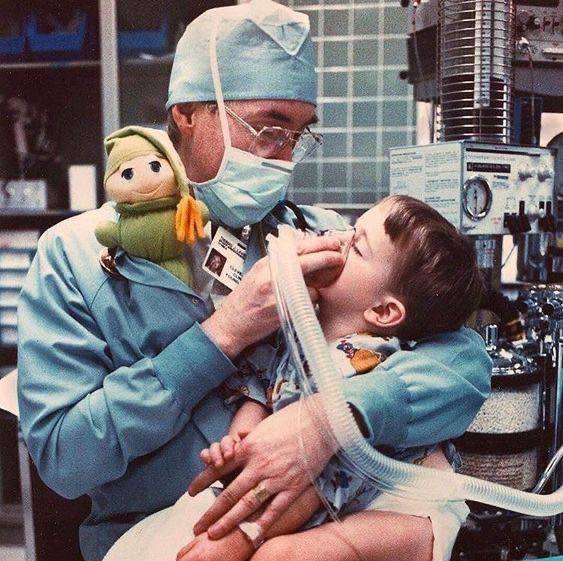
Paracetamol in Pediatric Care: Dosage and Safety Guideline
Paracetamol, also known as acetaminophen, is one of the most commonly used medications in pediatric care. It is widely regarded for its effectiveness in managing mild to moderate pain and reducing fever. However, its use requires careful attention to dosage and safety to avoid potential risks, particularly hepatotoxicity<br /> Dosage Guidelines<br />The dosage of paracetamol for children is typically calculated based on body weight to ensure safety and efficacy<br /> Oral Dosage<br />Standard Dose: 10–15 mg/kg every 4–6 hours as needed<br /> Maximum Single Dose: 15 mg/kg<br />Maximum Daily Dose: 60 mg/kg per day (up to 4,000 mg for older children near adult weight<br /> Intravenous (IV) Dosage<br />Children Weighing <50 kg: 15 mg/kg every 6 hours or 12.5 mg/kg every 4 hours<br />Maximum Daily Dose: 60 mg/kg per day<br />Rectal Dosage<br />Standard Dose: Often slightly higher than oral doses due to reduced absorption, typically 15–20 mg/kg every 4–6 hours<br />Safety Considerations<br />. Overdose Risk:<br /> Accidental overdose is the most significant concern, leading to potential liver damage. Early symptoms include nausea, vomiting, and lethargy. In severe cases, acute liver failure can occur<br />. Monitoring Cumulative Dose:<br /> Caregivers must account for all paracetamol sources, including combination medicines for cold or flu, to prevent exceeding the daily maximum<br />. Precautions in Special Populations:<br /> Children with underlying liver disease, malnutrition, or dehydration are at higher risk for toxicity and may require adjusted dosages<br />. Interval Management:<br /> Doses should not be given more frequently than every 4 hours, and no more than four doses should be administered in a 24-hour period<br />Key Recommendations<br />Weight-Based Dosing: Use the child’s current weight for accurate dose calculations, rather than age-based estimates<br /> Proper Measuring Tools: Always use calibrated measuring devices for liquid formulations to ensure correct dosing<br /> Educating Caregivers: Parents and guardians should be informed about the potential risks of exceeding the recommended dosage<br />Conclusion<br />Paracetamol is a cornerstone in pediatric care for pain and fever management, provided it is used responsibly. Accurate dosing, monitoring for signs of overdose, and caregiver education are essential to ensure its safe and effective use in children<br />BY<br />B.M.TECH<br />OSAMAH AZIZ<br />• BNF for Chidren - Paracetamol (https://bnfc.nice.org.uk/)<br /> • American Academy of Pediatrics - Fever Management (https://www.aap.org/)<br /> • Drugs.com - Paracetamol Dosage for Children (https://www.drugs.com<br /><br /><br />AL_mustaqbal University, the first university in Iraq