Ludwig’s Angina: A Life-Threatening Soft Tissue Infection
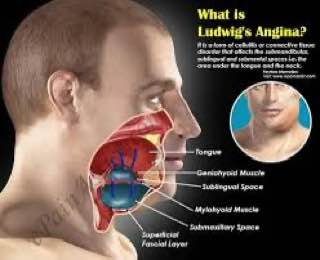
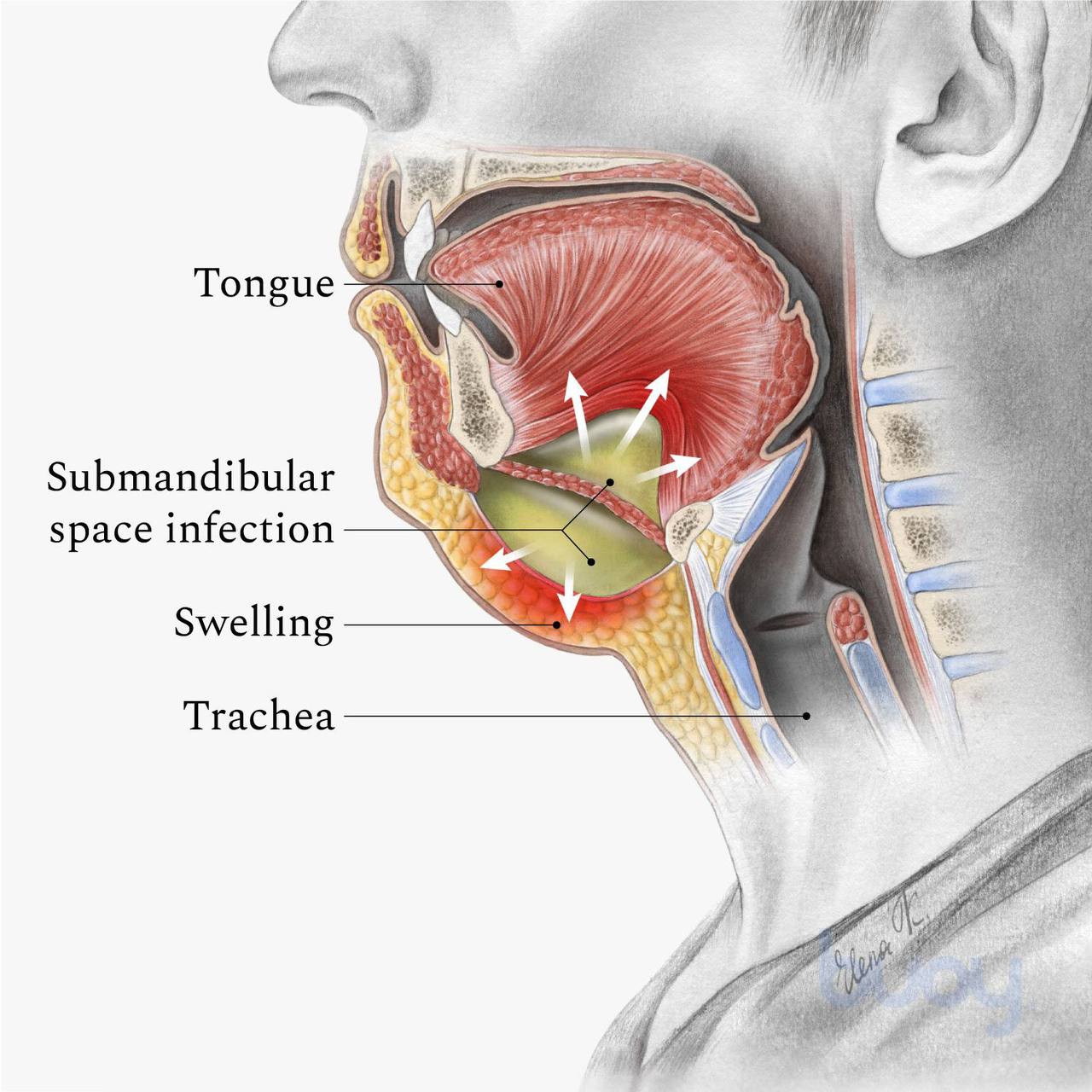
<br />Ludwig’s angina is a rapidly spreading, life-threatening bacterial infection of the submandibular, sublingual, and sub mental spaces. It is an aggressive form of cellulitis that can cause airway obstruction if not promptly treated.<br />Causes and Risk Factors<br />Ludwig’s angina is commonly caused by:<br /> Dental infections especially untreated second and third molar infections *Oral trauma (e.g. lacerations, fractures, tongue piercings)<br /> Salivary gland infections*<br />* Immunosuppression (e.g., diabetes, HIV(<br />The most common bacterial pathogens include:<br /> • Streptococcus species (especially Streptococcus viridans)<br /> • Staphylococcus aureus.<br /> • Anaerobes (Fusobacterium, Bacteroides.<br />Clinical Features<br />Symptoms<br /> • Rapid-onset bilateral neck swelling.<br /> • Pain, dysphagia (difficulty swallowing), odynophagia (painful swallowing(<br /> • Trismus (restricted mouth opening) due to inflammation.<br /> • Fever, malaise, and systemic toxicity.<br />Signs<br /> • Woody” or hard swelling of the submandibular area.<br />• Tongue elevation and protrusion due to sublingual space involvement.<br /> • Drooling and difficulty speaking (hot potato voice<br /> • Stridor or respiratory distress in severe cases.<br /><br />Complications<br /><br />Ludwig’s angina can rapidly progress to:<br /> • Airway obstruction → respiratory failure and death.<br /> • Mediastinitis (infection spreading to the chest)<br /> • Sepsis and multi-organ failure.<br /> • Thrombophlebitis (infection spreading via blood vessels)<br />Diagnosis<br />Clinical Diagnosis<br />Ludwig’s angina is a clinical diagnosis, but imaging may help assess severity.<br />Imaging<br /> • CT scan with contrast → evaluates abscess formation and airway compression.<br /> • Ultrasound → useful for detecting fluid collections.<br />Microbiology<br /> • Blood cultures and aspirate cultures to identify causative organisms.<br /><br />Treatment<br /><br />Airway Management (Priority)<br /> • Early intubation (awake fiberoptic intubation preferred) if airway compromise is suspected.<br /> • Emergency tracheostomy may be required in severe cases.<br />IV Antibiotics (Broad-Spectrum Coverage)<br />Empirical treatment includes:<br /> • Ampicillin-sulbactam OR piperacillin-tazobactam.<br /> • Clindamycin or metronidazole for anaerobic coverage.<br /> • Vancomycin if MRSA is suspected.<br /><br />Surgical Drainage<br /> • Incision and drainage if abscess formation is present.<br /> • Tooth extraction if the infection originates from a dental source.<br /><br />Supportive Care<br /> • IV fluids, pain control, and close monitoring in an ICU setting.<br />Prevention<br /> • Prompt dental hygiene and care.<br /> • Early treatment of dental infections.<br /> • Close monitoring of immunocompromised patients with oral infections.<br />Conclusion<br />Ludwig’s angina is a medical emergency due to its potential for rapid airway obstruction and systemic infection. Early recognition, airway management, IV antibiotics, and surgical intervention are crucial to prevent fatal complications.<br /> <br />B.M.TECH<br />OSAMAH AZIZ<br />References<br /> • American Academy of Otolaryngology – Head and Neck Surgery: https://www.entnet.org (https://www.entnet.org/)<br /> • National Library of Medicine: https://pubmed.ncbi.nlm.nih.gov (https://pubmed.ncbi.nlm.nih.gov/)<br /> • Infectious Diseases Society of America: https://www.idsociety.org (https://www.idsociety.org<br /><br /><br />AL_mustaqbal University, the first university in Iraq