Histology in Cancer Diagnosis by dr zainab ali
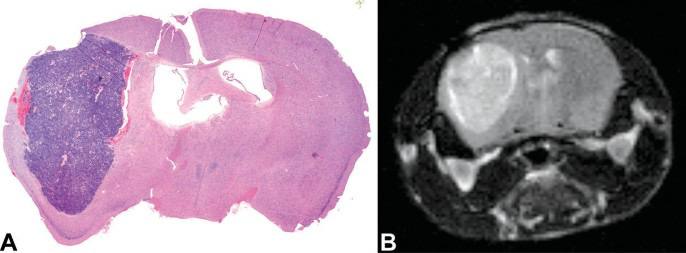
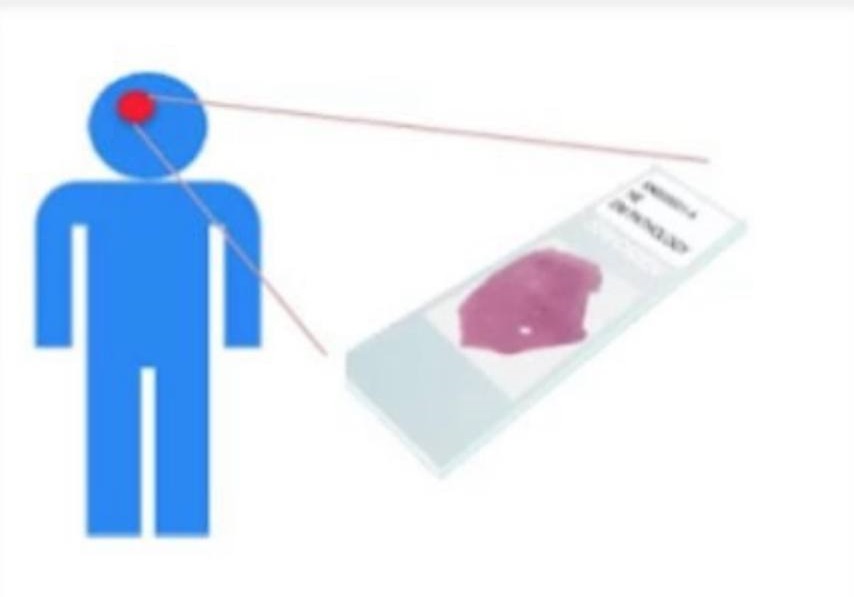
Histology and radiology are both critical in cancer diagnosis, each offering unique insights that complement the other. Histology provides detailed cellular and molecular information, essential for understanding tumor biology, grading, and staging, while radiology offers non-invasive imaging techniques that help visualize tumor location, size, and spread. Together, they form a comprehensive diagnostic approach that enhances personalized cancer care. Below are the key aspects of each method:<br />Histology in Cancer Diagnosis<br />• Detailed Cellular Analysis: Histopathological evaluation is crucial for identifying malignancies, grading tumors, and staging cancer, which are vital for clinical decision-making and treatment planning(Aljehani et al., 2023).<br />• Molecular Techniques: Advances such as immunohistochemistry and molecular diagnostics (e.g., FISH, PCR) have revolutionized histological analysis, allowing for precise identification of cancer subtypes and genetic mutations(Sebire, 2011).<br />• Biomarker Detection: Histology aids in detecting biomarkers that influence treatment decisions, facilitating personalized therapy approaches(<br />• Radiology in Cancer Diagnosis<br />• Non-Invasive Imaging: Radiological techniques like mammography, ultrasonography, and CT scans provide non-invasive methods to detect and monitor tumors, offering insights into their size, location, and potential spread<br />• Phenotype Correlation: Radiological findings can be correlated with histopathological features to predict the clinical behavior of cancers, such as breast cancer, enhancing diagnostic accuracy(Tamaki & Sasano, 2012).<br />• Advanced Imaging Techniques: Techniques like diffusion-weighted MRI can identify areas of high cellularity, aiding in the assessment of tumor response to therapy and guiding biopsy sampling(Sebire, 2011).<br />Integration of Histology and Radiology<br />• Complementary Roles: The integration of radiological imaging with histopathological analysis provides a more comprehensive understanding of cancer, improving diagnosis, prognosis, and treatment strategies<br />• Personalized Medicine: Combining these methods supports the development of personalized treatment plans by providing detailed molecular and anatomical information<br />• While histology remains the gold standard for definitive cancer diagnosis, radiology offers valuable non-invasive insights that can guide and enhance histological analysis. The collaboration between these disciplines is essential for advancing cancer diagnosis and treatment, ensuring a holistic approach to patient care<br />