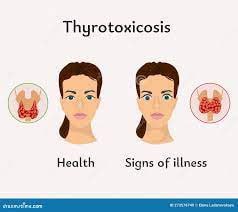
Understanding Hyperthyroidism: Symptoms and Implications by dr zainab ali
Understanding Hyperthyroidism: Symptoms and Implications<br />Hyperthyroidism is a condition characterized by an overactive thyroid gland, which produces excess thyroid hormones. This hormonal imbalance can lead to a range of symptoms that significantly affect an individual's quality of life. Understanding these symptoms is crucial for early detection and effective management.<br /> Common Symptoms of Hyperthyroidism<br />1. Increased Heart Rate (Tachycardia):<br />One of the hallmark symptoms of hyperthyroidism is an increased heart rate. Individuals may experience palpitations or an irregular heartbeat, which can be alarming and may require medical attention.<br />2. Weight Loss:<br />Despite having a normal or increased appetite, many people with hyperthyroidism experience unexplained weight loss. This occurs because the body's metabolism speeds up significantly, leading to the burning of calories at a rapid pace.<br />3. Nervousness and Anxiety:<br />The excess thyroid hormones can lead to heightened nervousness, anxiety, and irritability. Individuals may feel restless or on edge, which can affect their daily activities and overall well-being.<br />4. Increased Sweating and Heat Intolerance:<br />Those with hyperthyroidism often have an increased sensitivity to heat and may sweat excessively. This can lead to discomfort in warm environments and may affect social interactions.<br />5. Changes in Sleep Patterns:<br />Many individuals report difficulty sleeping or insomnia. The heightened energy levels and anxiety can make it challenging to relax and fall asleep.<br />6. Muscle Weakness:<br />Muscle weakness, particularly in the upper arms and thighs, is a common symptom. This can impact physical activities and may lead to a decrease in overall strength.<br />7. Goiter:<br />A noticeable enlargement of the thyroid gland, known as a goiter, may occur. This can manifest as swelling at the base of the neck and may lead to difficulty swallowing or breathing in severe cases.<br />8. Menstrual Changes:<br />Women may experience irregular menstrual cycles, including lighter or less frequent periods. This hormonal imbalance can disrupt normal reproductive functions.<br />9. Fatigue:<br />Despite feeling energetic, individuals may also experience fatigue. This paradox can be confusing and may lead to further health complications if not addressed.<br />10. Eye Problems:<br />In some cases, hyperthyroidism can lead to eye issues, such as bulging eyes (exophthalmos), irritation, or vision problems. This is particularly common in Graves' disease, an autoimmune form of hyperthyroidism.<br /> Conclusion<br />Recognizing the symptoms of hyperthyroidism is essential for timely intervention and treatment. If you or someone you know is experiencing a combination of these symptoms, it is important to consult a healthcare professional for evaluation. Early diagnosis and management can significantly improve quality of life and prevent potential complications associated with this condition. Understanding hyperthyroidism not only empowers individuals to seek help but also fosters awareness about this common endocrine disorder.<br />