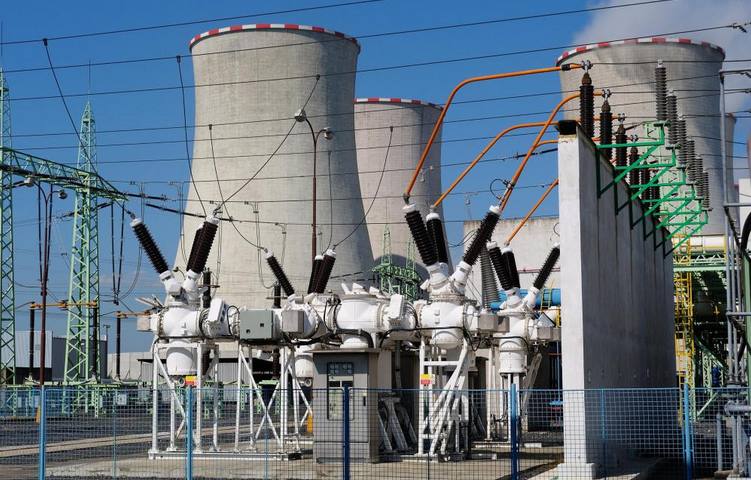
Electric Power Generation Stations
Electric Power Generation Stations<br /><br />Dr. Ahmad T. Jaiad<br /><br />Electric power generation stations, also known as power plants, are facilities designed to produce electrical energy from various energy sources. These stations convert mechanical, chemical, or other forms of energy into electricity, which is then distributed to homes, businesses, and industries. Below is an overview of the main types of power generation stations:<br /><br />1. Thermal Power Stations<br />Thermal power stations generate electricity by converting heat energy into mechanical energy, which is then transformed into electrical energy. They typically use fossil fuels or other heat sources.<br />Types:<br />• Coal-fired Power Plants: Burn coal to produce steam, which drives turbines connected to generators.<br />• Natural Gas Power Plants: Use natural gas in gas turbines or combined-cycle systems for higher efficiency.<br />• Oil-fired Power Plants: Burn oil to generate electricity, though less common due to environmental concerns.<br />• Nuclear Power Plants: Use nuclear reactions (fission) to produce heat, which generates steam to drive turbines.<br /><br />2. Renewable Energy Power Stations<br />These stations generate electricity from renewable sources, which are sustainable and environmentally friendly.<br />Types:<br />• Hydropower Plants: Use the kinetic energy of flowing or falling water to spin turbines.<br />o Run-of-River: Utilizes the natural flow of rivers.<br />o Reservoir-based: Stores water in dams for controlled electricity generation.<br />• Wind Power Plants: Use wind turbines to convert wind energy into electricity.<br />• Solar Power Plants: Convert sunlight into electricity using photovoltaic (PV) panels or concentrated solar power (CSP) systems.<br />• Geothermal Power Plants: Use heat from the Earth's interior to generate steam and drive turbines.<br />• Biomass Power Plants: Burn organic materials (e.g., wood, agricultural waste) to produce electricity.<br /><br /><br /><br /><br /><br /><br /><br /><br />3. Hybrid Power Stations<br />Hybrid power stations combine two or more energy sources to generate electricity, improving efficiency and reliability.<br />Examples:<br />• Solar-Wind Hybrid Plants: Combine solar panels and wind turbines to generate electricity.<br />• Solar-Diesel Hybrid Plants: Use solar energy during the day and diesel generators at night or during low sunlight.<br /><br />4. Distributed Generation Systems<br />These are smaller-scale power generation systems located close to the point of use, reducing transmission losses.<br />Types:<br />• Diesel Generators: Commonly used for backup power or in remote areas.<br />• Microturbines: Small gas turbines used for localized power generation.<br />• Fuel Cells: Convert chemical energy (e.g., hydrogen) directly into electricity.<br /><br />5. Emerging and Experimental Power Stations<br />New technologies are being developed to improve efficiency and reduce environmental impact.<br />Examples:<br />• Tidal and Wave Power Plants: Harness energy from ocean tides and waves.<br />• Fusion Power Plants: Aim to replicate the nuclear fusion process of the sun (still in experimental stages).<br />• Hydrogen Power Plants: Use hydrogen as a fuel source, producing only water as a byproduct.<br /><br />Key Considerations in Power Generation<br />• Efficiency: How effectively the energy source is converted into electricity.<br />• Environmental Impact: Emissions, waste, and ecological footprint.<br />• Cost: Initial investment, operational expenses, and maintenance.<br />• Reliability: Consistency and availability of the energy source.<br />• Scalability: Ability to meet increasing energy demands<br />