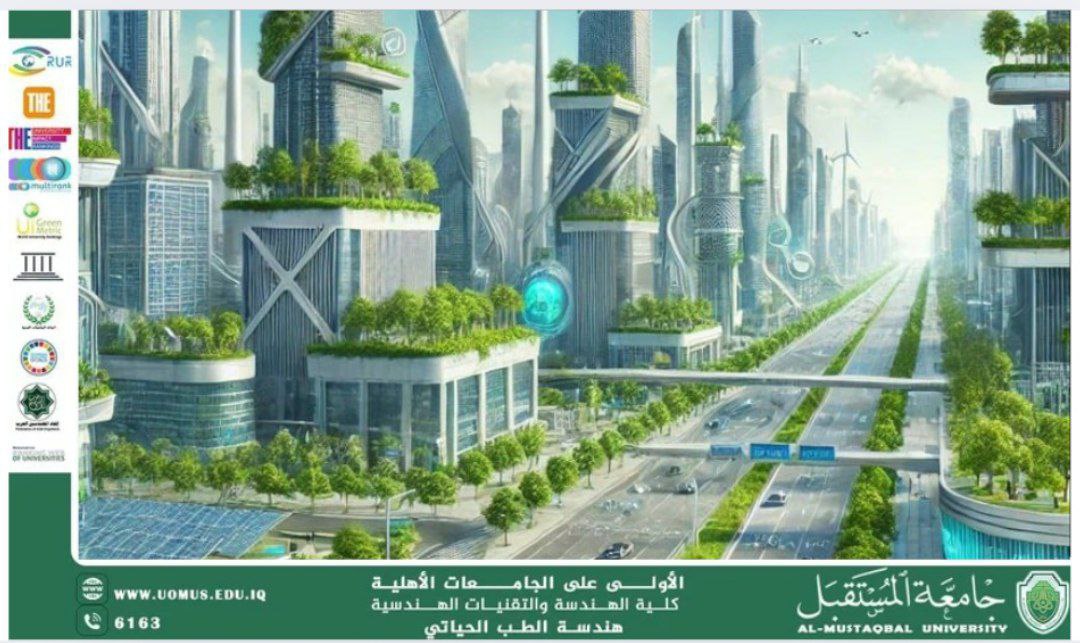
Green Technology: A Sustainable Solution for a Better Future By: Engineer Hassanein Hadi
Introduction<br />In light of increasing environmental challenges, Green Technology has emerged as a fundamental solution for achieving sustainability and protecting the environment. This technology aims to minimize the negative impact of human activities on the planet by utilizing innovative techniques based on renewable energy, recycling, and resource efficiency. In this article, we will discuss the concept of Green Technology, its key applications, and its benefits in building a sustainable future.<br /><br />What is Green Technology?<br />Green Technology encompasses a range of technologies and practices aimed at reducing environmental pollution and enhancing the efficient use of natural resources. These technologies are grounded in principles of clean energy, waste management, and carbon emission reduction, contributing to environmental protection and improving quality of life.<br /><br />Key Applications of Green Technology<br /><br />Renewable Energy<br />Renewable energy sources like solar, wind, and hydropower are among the most prominent applications of Green Technology. These sources help reduce reliance on fossil fuels and decrease greenhouse gas emissions.<br /><br />Green Buildings<br />Green buildings utilize environmentally friendly design techniques, such as sustainable materials, thermal insulation systems, and energy-efficient lighting. These buildings aim to reduce energy and water consumption while enhancing the comfort of residents.<br /><br />Sustainable Transportation<br />Sustainable transportation technologies include electric vehicles, bicycles, and enhanced public transport systems. These solutions aim to decrease fuel consumption and reduce harmful environmental emissions.<br /><br />Waste Management and Recycling<br />Green Technology aids in developing innovative waste management methods such as recycling, biodegradation, and waste-to-energy conversion. These solutions help reduce waste volume and improve environmental quality.<br /><br />Smart and Sustainable Agriculture<br />Green Technology enhances agricultural efficiency through techniques like vertical farming, smart irrigation, and soilless farming. These methods help conserve water and reduce the use of pesticides and chemical fertilizers.<br /><br />Benefits of Green Technology<br /><br />Environmental Protection: Reducing pollution and harmful emissions.<br />Resource Efficiency: Optimizing the use of energy, water, and raw materials.<br />Cost Reduction: Lowering production and energy costs in the long term.<br />Improved Quality of Life: Creating healthier and more sustainable environments for individuals and communities.<br />Support for Sustainable Economies: Generating new job opportunities in environmental technology and clean energy fields.<br />Conclusion<br />Green Technology represents a critical step toward achieving sustainable development and preserving the environment for future generations. By adopting environmental innovations, we can reduce ecological damage and strike a balance between economic development and natural resource conservation. It is crucial for governments, businesses, and individuals to continue investing in these technologies to ensure a more sustainable future.<br /><br /><br /><br /><br /><br /><br /><br /><br />