Preeclampsia: Causes, Symptoms, and Treatment
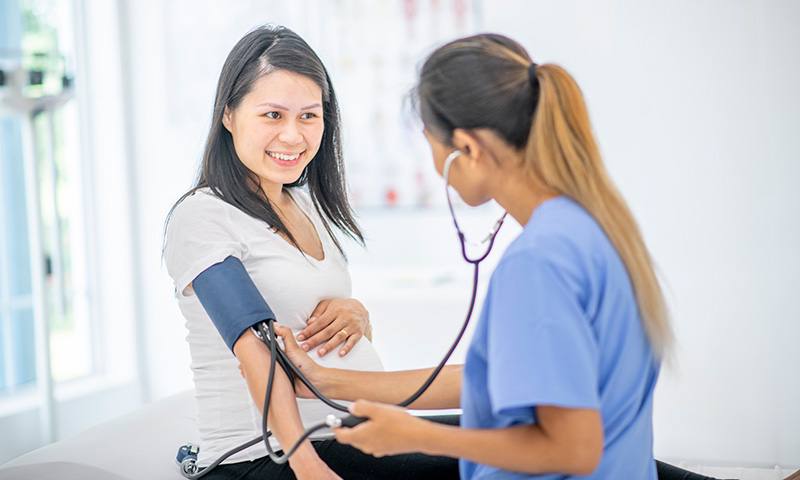
**<br />Preeclampsia is a serious pregnancy complication characterized by high blood pressure and signs of damage to organs, most commonly the liver and kidneys. It typically develops after 20 weeks of pregnancy and can pose risks to both the mother and baby if left untreated.<br />**Causes and Risk Factors<br />The exact cause of preeclampsia is unknown, but it is believed to be related to problems with the development of the placenta. Risk factors include:<br /> • First pregnancy or a history of preeclampsia in previous pregnancies<br /> • High blood pressure or kidney disease<br /> • Obesity<br /> • Carrying multiples (twins, triplets, etc<br /> • Age (younger than 20 or older than 40<br /> • Certain medical conditions such as diabetes or autoimmune diseases<br />Symptoms**<br />Preeclampsia symptoms can vary but often include:<br /> • High blood pressure (140/90 mmHg or higher(<br /> • Protein in the urine (proteinuria(<br /> • Severe headaches<br /> • Swelling in the hands, face, or feet<br /> • Vision changes (blurred vision, light sensitivity)<br /> • Nausea or vomiting<br /> • Shortness of breath<br /> • Upper right abdominal pain<br />Complications**<br />If untreated, preeclampsia can lead to serious complications, such as:<br /> • Eclampsia – seizures that can be life-threatening<br /> • HELLP Syndrome – a severe form of preeclampsia affecting the liver and blood cells<br /> • Placental Abruption – premature detachment of the placenta from the uterus<br /> • Preterm Birth – requiring early delivery to prevent harm to the mother and baby<br /><br />Diagnosis and Treatment**<br />Doctors diagnose preeclampsia through blood pressure monitoring, urine tests, and blood tests. The only cure is delivery of the baby, but treatment may include:<br /> • Medications – to lower blood pressure and prevent complications<br /> • Bed Rest and Monitoring – for mild cases to ensure stability<br /> • Hospitalization – in severe cases, to closely monitor the mother and baby<br /> • Early Delivery – if the condition worsens, delivery may be necessary even before full-term pregnancy<br /><br />**Prevention<br />While preeclampsia cannot always be prevented, some measures may help reduce the risk:<br /> • Regular prenatal checkups<br /> • Managing underlying health conditions (like hypertension or diabetes)<br /> • Eating a balanced diet and staying physically active<br /> • Taking prescribed prenatal vitamins, including low-dose aspirin if recommended by a doctor<br /><br />Conclusion**<br />Preeclampsia is a potentially life-threatening condition that requires careful monitoring and medical attention. Early detection and proper prenatal care are key to ensuring the health and safety of both the mother and baby.<br /><br />B.M.TECH<br />OSAMAH AZIZ<br />Referance:<br /> • American College of Obstetricians and Gynecologists (ACOG): www.acog.org (https://www.acog.org/)<br /> • Centers for Disease Control and Prevention (CDC): www.cdc.gov (https://www.cdc.gov/)<br /> • World Health Organization (WHO): www.who.int (https://www.who.int/)<br /><br /><br />AL_mustaqbal University is the first university in Iraq