The Expanding Role of AI in Our Lives
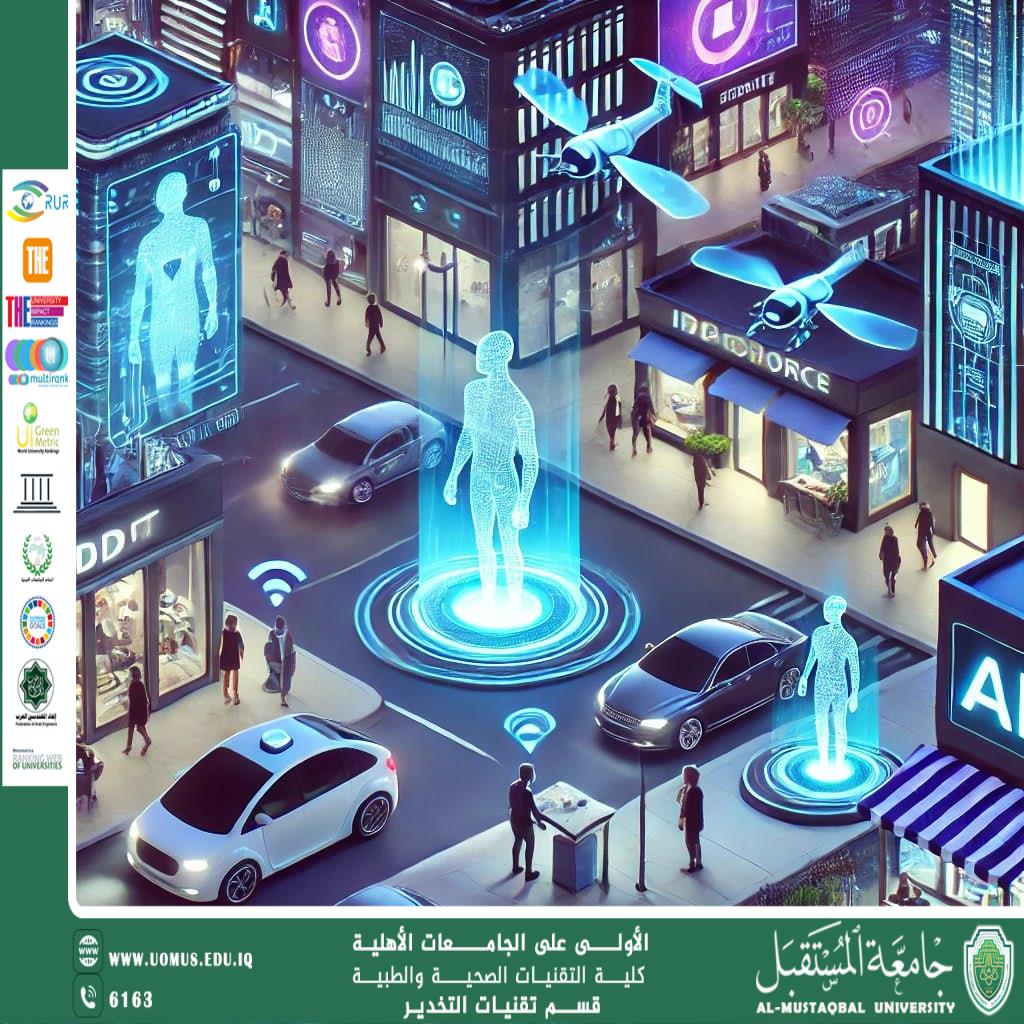
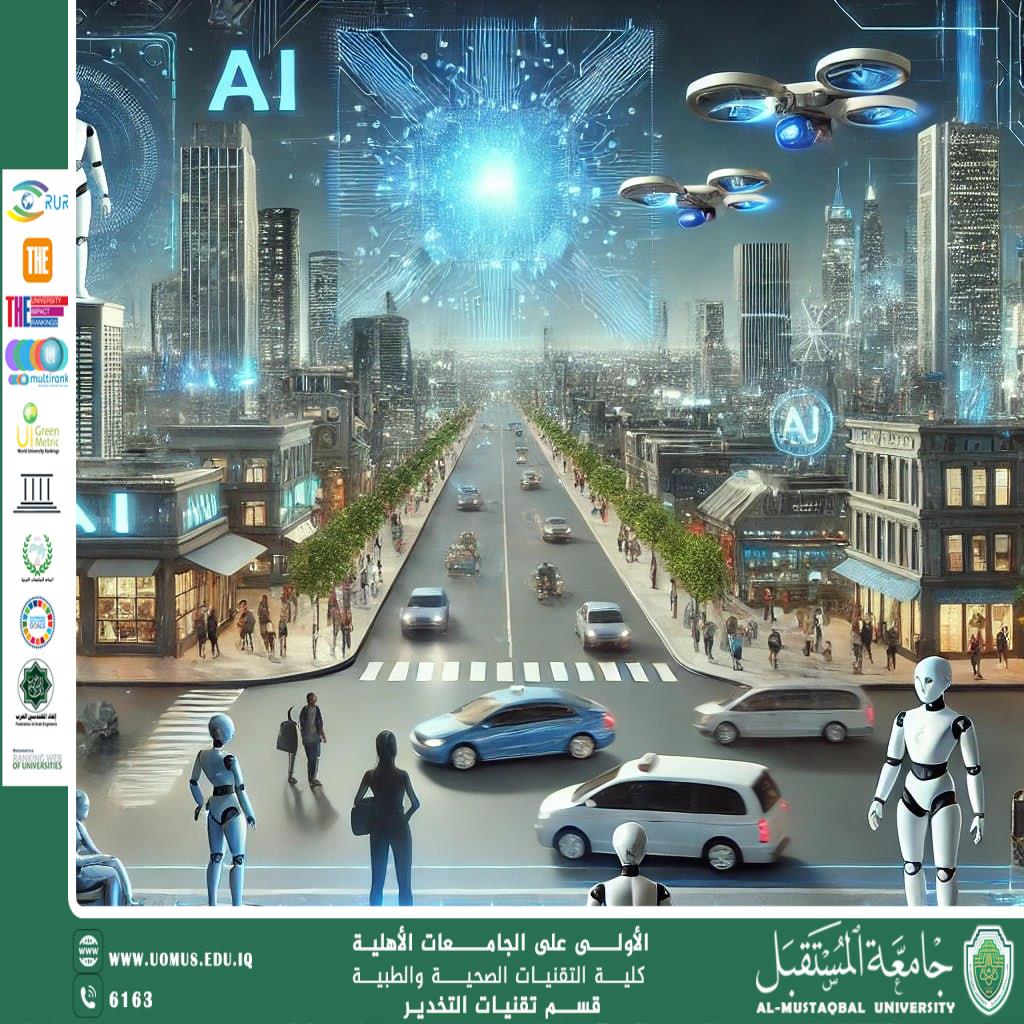
Artificial Intelligence (AI) has transitioned from a futuristic concept to an essential part of our everyday existence. Whether we realize it or not, AI-powered systems are embedded in our routines, from smartphones and smart homes to healthcare and business operations. As technology advances, AI’s influence continues to grow, reshaping industries and personal experiences alike.<br /><br />AI in Everyday Life<br />AI has made daily tasks more convenient through voice assistants like Siri, Google Assistant, and Alexa, which help with scheduling, reminders, and information retrieval. Streaming platforms such as Netflix and Spotify use AI to recommend movies, music, and shows based on user preferences, enhancing entertainment experiences. Even online shopping is revolutionized by AI-driven product recommendations and chatbots that provide customer support.<br /><br />Smart home devices, including AI-powered thermostats and security cameras, improve energy efficiency and safety. AI also plays a role in navigation apps like Google Maps and Waze, helping users find the fastest routes by analyzing real-time traffic conditions.<br /><br />AI in Business and Work<br />Many industries rely on AI for automation and efficiency. In finance, AI algorithms detect fraud, assess credit risks, and optimize investment strategies. Healthcare professionals use AI-driven diagnostic tools to detect diseases earlier and more accurately, improving patient outcomes. AI-powered robots and automation in manufacturing increase productivity and reduce errors.<br /><br />Workplaces are also evolving with AI-powered tools that assist in data analysis, project management, and customer relationship management. AI chatbots and virtual assistants help businesses provide faster and more personalized customer service.<br /><br />AI in Transportation and Security<br />Self-driving cars, powered by AI, are being developed to improve road safety and reduce human errors. AI-powered surveillance systems enhance security by identifying potential threats in real time. Law enforcement agencies also use AI for crime analysis and predictive policing, though these applications raise ethical concerns.<br /><br />Challenges and Ethical Considerations<br />While AI offers numerous benefits, it also presents challenges. Concerns about job displacement due to automation are growing, as AI takes over repetitive tasks. Privacy and data security are also major issues, as AI systems collect vast amounts of personal information. Additionally, biases in AI algorithms can lead to unfair decision-making, particularly in hiring, law enforcement, and financial services.<br /><br />To maximize AI’s benefits while addressing these concerns, governments, tech companies, and researchers must work together to establish ethical guidelines and regulations.<br /><br />The Future of AI<br />AI will continue to evolve, shaping industries such as education, space exploration, and environmental conservation. As AI becomes more sophisticated, its potential to solve complex problems—such as climate change, disease prevention, and resource management—will increase. However, it is crucial to ensure AI is developed responsibly and used to benefit all of humanity.<br /><br />AI is no longer just a tool of the future—it is the present, transforming the way we live, work, and interact. Understanding its potential and challenges will help us navigate this technological revolution wisely.<br /><br />م.م علي حيدر صادق<br /><br /><br />Al-Mustaqbal University is the first university in Iraq