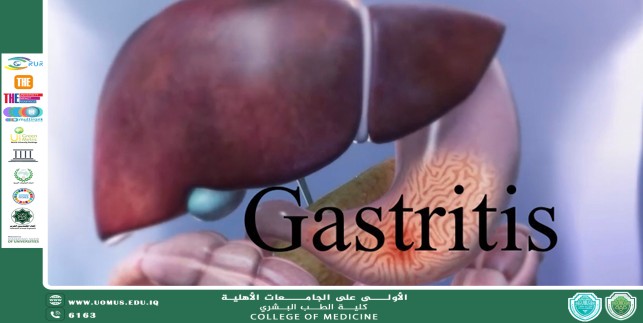
Gastritis
Introduction:<br />Gastritis is a common medical condition characterized by inflammation, irritation, or erosion of the stomach lining. It can occur suddenly (acute gastritis) or develop gradually over time (chronic gastritis). While gastritis can be mild and resolve on its own, it may also lead to complications such as ulcers or an increased risk of stomach cancer if left untreated. Understanding the causes, symptoms, diagnosis, and treatment options is essential for effective management and prevention.<br /><br />Types of Gastritis:<br /><br />1. Acute Gastritis:<br /> - Sudden inflammation of the stomach lining, often caused by irritants like alcohol, NSAIDs, or infections.<br /> - Symptoms may appear quickly but usually resolve with prompt treatment.<br /><br />2. Chronic Gastritis:<br /> - Long-term inflammation that develops gradually and persists over time.<br /> - Often caused by Helicobacter pylori infection, autoimmune disorders, or prolonged use of irritants.<br /> - Can lead to complications like stomach ulcers or gastric atrophy.<br /><br />3. Erosive Gastritis:<br /> - A severe form of gastritis where the stomach lining erodes or wears away.<br /> - Often caused by prolonged use of NSAIDs, alcohol, or stress-related factors.<br /><br />4. Non-Erosive Gastritis:<br /> - Inflammation of the stomach lining without erosion.<br /> - Commonly caused by H. pylori infection or autoimmune conditions.<br /><br /><br />Causes of Gastritis:<br />- Infection:Helicobacter pylori is the most common cause of chronic gastritis.<br />- Medications: Long-term use of NSAIDs (e.g., aspirin, ibuprofen) or corticosteroids.<br />- Alcohol: Excessive alcohol consumption can irritate and erode the stomach lining.<br />- Stress: Severe physical stress from surgery, injury, or illness can lead to acute gastritis.<br />- Autoimmune Disorders: The immune system may attack the stomach lining, leading to autoimmune gastritis.<br />- Dietary Factors: Spicy, acidic, or highly processed foods may aggravate the stomach lining.<br />- Other Causes: Bile reflux, smoking, and certain viral or fungal infections.<br /><br /><br />Symptoms of Gastritis:<br />- Upper abdominal pain or discomfort (burning or gnawing sensation).<br />- Nausea and vomiting.<br />- Bloating or a feeling of fullness in the stomach.<br />- Loss of appetite.<br />- Indigestion or heartburn.<br />- In severe cases, vomiting blood or passing black, tarry stools (indicating bleeding in the stomach).<br /><br /><br />Diagnosis:<br />1. Medical History and Physical Examination: A doctor will assess symptoms, dietary habits, and medication use.<br />2. Endoscopy: A thin, flexible tube with a camera is inserted into the stomach to examine the lining and take tissue samples (biopsy).<br />3. Blood Tests: To check for H. pylori infection, anemia, or autoimmune markers.<br />4. Stool Test: To detect blood or H. pylori bacteria.<br />5. Breath Test: A non-invasive test to identify H. pylori infection.<br /><br /><br />Treatment Options:<br />1. Medications:<br /> - Antacids: Neutralize stomach acid and provide quick relief.<br /> - Proton Pump Inhibitors (PPIs): Reduce acid production (e.g., omeprazole, pantoprazole).<br /> - H2 Blockers: Decrease acid production (e.g., ranitidine, famotidine).<br /> - Antibiotics: Prescribed to treat H. pylori infection (e.g., amoxicillin, clarithromycin).<br /> - Cytoprotective Agents: Protect the stomach lining (e.g., sucralfate).<br /><br />2. Lifestyle Changes:<br /> - Avoid alcohol, smoking, and NSAIDs.<br /> - Eat smaller, more frequent meals and avoid spicy, acidic, or fried foods.<br /> - Manage stress through relaxation techniques like yoga or meditation.<br /><br />3. Dietary Adjustments:<br /> - Incorporate bland, easily digestible foods like oatmeal, bananas, and boiled vegetables.<br /> - Avoid caffeine, carbonated drinks, and processed foods.<br /><br />4. Treating Underlying Conditions:<br /> - Address autoimmune disorders or other medical conditions contributing to gastritis.<br /><br /><br />Complications of Untreated Gastritis:<br />- Peptic Ulcers: Open sores in the stomach lining or duodenum.<br />- Gastric Bleeding: Erosion of blood vessels in the stomach lining.<br />- Anemia: Chronic blood loss can lead to iron-deficiency anemia.<br />- Stomach Cancer: Long-term inflammation increases the risk, especially in cases of H. pylori infection or autoimmune gastritis.<br /><br /><br />Prevention:<br />- Maintain a healthy diet rich in fruits, vegetables, and whole grains.<br />- Limit alcohol consumption and avoid smoking.<br />- Use NSAIDs sparingly and under medical supervision.<br />- Practice good hygiene to reduce the risk of H. pylori infection.<br />- Manage stress through regular exercise and relaxation techniques.<br /><br /><br />Conclusion:<br />Gastritis is a prevalent condition that can significantly impact an individual's quality of life if left untreated. While it is often manageable with lifestyle changes and medications, early diagnosis and treatment are crucial to prevent complications. By understanding the causes, symptoms, and preventive measures, individuals can take proactive steps to protect their stomach health and seek timely medical care when needed.<br /><br />Dr. Ahmed Turki Hani<br /><br />